
An unplugged wedding ceremony is a simple request: for the length of the ceremony, guests keep their phones and cameras down and simply watch. Couples ask for it to prevent a familiar photograph: the bride walking down the aisle while the whole room holds up a screen instead of looking at her.
This article covers what phones do to ceremony photos, what an unplugged request does and does not cover, the wording that works, how to deliver it so it lands warmly, and the cases where a softer version suits you better. It is written for Sydney couples, though nothing in it depends on the postcode.
Quick answer: An unplugged ceremony asks guests not to take photos or video while the ceremony is happening, so your photographer has a clear view and your guests actually see the moment. It applies to the ceremony only, and the reception is where you want phones out. A short, warm spoken request from your celebrant just before the processional, backed up by a sign, reaches the most people.
On this page
- What phones do to ceremony photos
- What an unplugged ceremony covers, and what it does not
- Wording you can borrow
- How to ask without it feeling heavy-handed
- A worked example
- If you do not want to go fully unplugged
- When an unplugged request is not worth the friction
- The venue changes how much the ask matters
- What to expect if someone ignores the request
- What to do next
What phones do to ceremony photos
The case for going unplugged is mechanical, not sentimental. A ceremony is usually shot from a few positions, and a photographer cannot wander the room mid-vows to find a cleaner angle. Phones interfere with that in four distinct ways.
A raised arm in the frame. The simplest damage is geometric. When the bride walks in, guests on the aisle lean out and lift a device, and an arm and a glowing rectangle now sit between the camera and her face. The photographer shooting from the front sees every raised phone, because the guests are facing the camera’s direction.
Faces that disappear. The best ceremony photographs often include the reactions: a groom’s face as the doors open, a parent holding back tears, a grandparent smiling. A guest holding a phone has a screen where the reaction should be.
Screens glowing in the background. In a dim chapel or a shaded garden, a lit screen is brighter than anything around it and pulls the eye straight to the edge of the frame.
Flash. Some phones fire a flash in low light. That is a rarer problem, but one flash at the wrong second during the vows can ruin the exposure for the frame and distract the couple at the moment they are meant to be looking only at each other.
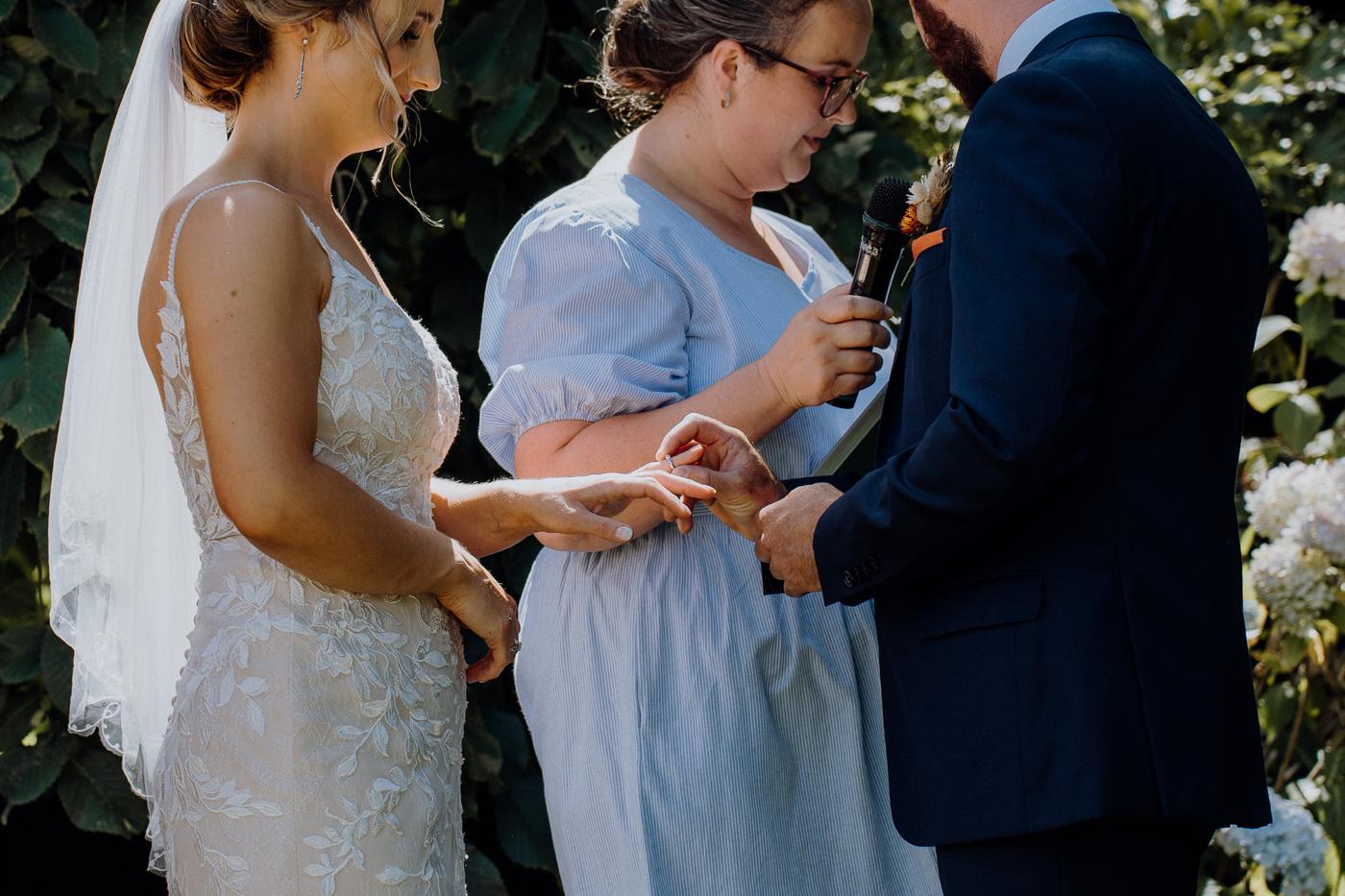
The two moments that suffer most are the ring exchange and the first kiss, because guests tend to raise their phones for exactly those two, and neither can be performed again. Editing can clean a lot, but it cannot remove an arm from in front of a face, and it cannot recreate a reaction that never reached the camera.
What an unplugged ceremony covers, and what it does not
Be specific when you ask, because a vague request gets stretched or ignored. A workable definition has clear edges.
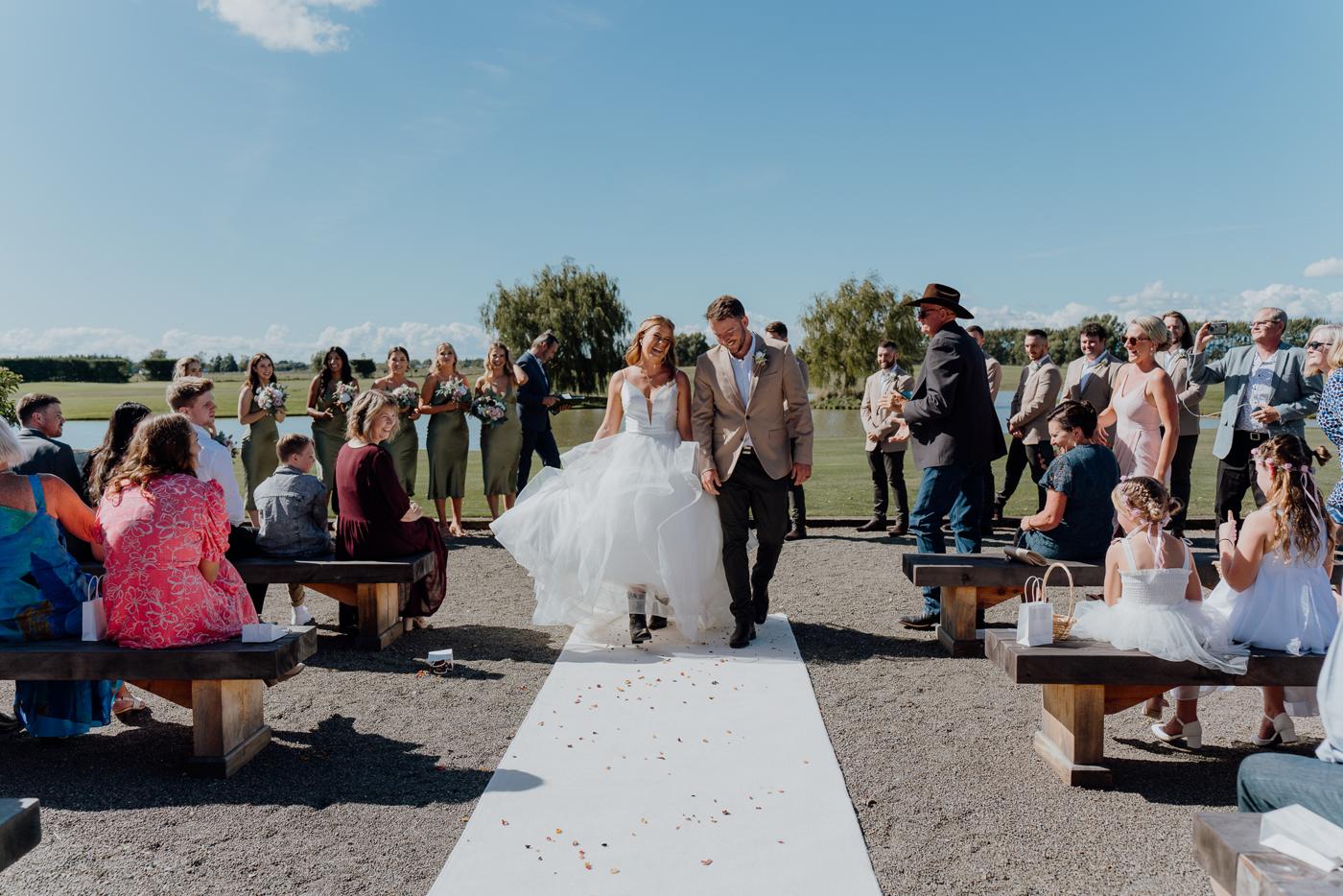
It covers the ceremony. From the start of the processional to the end of the recessional. That is the window where a raised phone competes with the professional coverage and with the guests’ own attention.
It does not cover arrival, getting ready, or the reception. Guests photographing the drinks, the cake, the dance floor and each other is part of how a wedding gets remembered, and a photographer is not trying to stop it. A sign that says “no photos today” sounds like a rule about the whole day, so word yours to say “during the ceremony”.
It does not mean guests never get ceremony photos. It means they are not the ones taking them. The usual trade is a promise of professional images afterwards, which is why the best wording includes a line about sharing. Ask your photographer how and when you can pass a link or a few images on, so you promise only what you can keep.
It does not have to include everyone. Some couples make a deliberate exception for a grandparent who wants a single photo of the aisle, or for the one friend filming for family overseas. That is a decision for you, covered below.
| Moment | Unplugged ask | Why |
|---|---|---|
| Guests arriving, seating | Phones out | Photos of people arriving are harmless and fun |
| Processional (aisle walk) | Phones down | The aisle is where raised arms do the most damage |
| Vows, ring exchange | Phones down | The moments that cannot be repeated |
| First kiss | Phones down | Same reason, plus the most likely time for a lit screen |
| Recessional | Phones down, or released | Some couples release guests here, see the middle ground below |
| Cocktail hour, reception | Phones out | A different kind of memory, no clash with sightlines |
Wording you can borrow
Three versions follow, for three different places. Change the names and the voice, because the closer it sounds to you, the better it works.
On a sign at the entrance: “We would love you to be fully present with us today. Please keep phones and cameras away during the ceremony. We can’t wait to share our photos with you afterwards.”
Spoken by your celebrant before the processional: “Before we begin, [names] have asked that you put your phones away and simply be here with them. Photos will be shared soon. For now, just watch.”
In the invitation, near the RSVP details: “Our ceremony will be unplugged. No photos or video during the ceremony, please. We promise it will be worth it.”
All three do the same jobs, and they are worth keeping in anything you write yourself. They give the reason in the couple’s own voice, they name a bounded window (“during the ceremony”) so the request has an end, and they give something back, the shared photos, instead of only asking guests to give something up.
If you can only choose one, choose the spoken request. A sign is read by the people who arrive early and missed by everyone who walks past it while talking. An invitation line is read months before it matters and forgotten by the day. A celebrant speaking to the whole room seconds before the processional reaches everyone at the moment it counts, and nobody can claim they did not hear it.
How to ask without it feeling heavy-handed
Tone decides whether guests feel invited or told off. A few habits help.
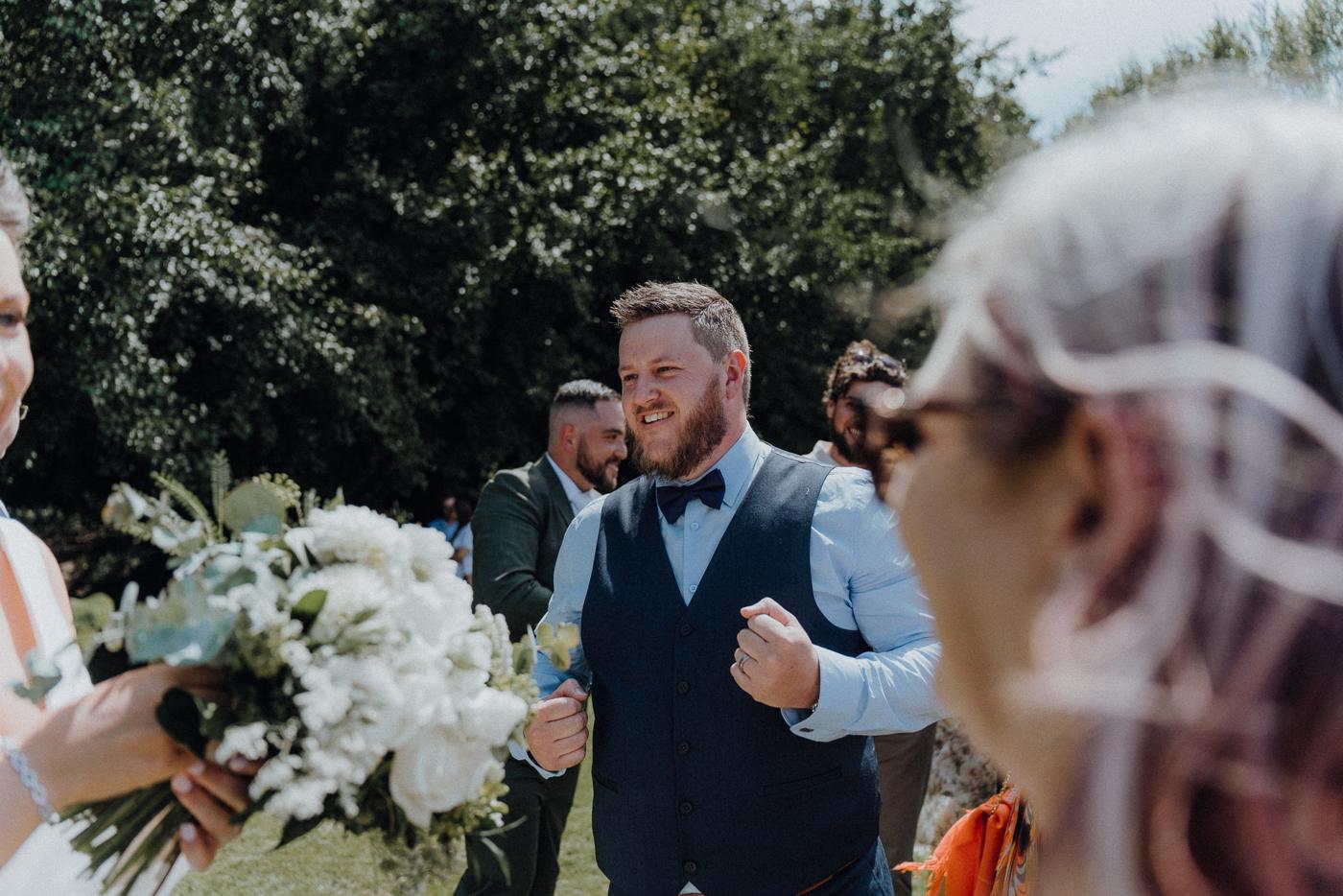
Frame it as a gift to yourselves. “We want everyone watching, not filming” lands better than anything that reads like a rule about etiquette. A phone is easier to put away for a couple than for a policy.
Use more than one channel, and put the spoken one last. A line on the invitation or wedding website gives people notice. A sign at the door reminds them. The celebrant’s request settles it. Each layer catches the guests who missed the one before.
Brief the people closest to the aisle. The bridal party, parents and grandparents sit nearest the action and are the most likely to lift a phone on instinct, and their phones end up in frame most often. A quick word beforehand from you, not a notice, does more than any sign.
Tell your celebrant in advance. A celebrant has their own way of phrasing announcements, so send them your preferred wording, mention if you want the request to include a promise about photos, and confirm they are happy to deliver it.
Plan the other half of the promise. Guests find it easier to put a phone away if they know when they will see the photographs. Ask your photographer how soon you can share a few frames, and whether a shared gallery link is something you can pass on. If you promise guests photos, you need a plan for delivering them. Your wedding photography turnaround is in the delivery terms of your package (see how long until you get your photos), and it is worth knowing before the sign goes up.
A worked example
Say your ceremony starts at 4pm in a hired garden with about sixty guests, and you want it unplugged. Here is one way to layer the ask, and the assumptions are plainly examples.
You put a line about the unplugged ceremony on your wedding website a few weeks ahead, so nobody is surprised. On the day, a small sign sits on an easel at the entrance. Your celebrant has your wording and agrees to say it as guests settle, after the last arrivals are seated and before the music starts. You mention it quietly to your parents and the two grandparents in the front row while you are getting ready. Your photographer is told about the request in advance, because the plan affects where they stand and what they can promise to cover.
Nothing in that plan relies on any one layer working perfectly. If a guest misses the website, the sign catches them. If they miss the sign, the celebrant’s request does. If a single phone still goes up, the damage is limited to that one corner of one frame, not to every frame in the set.
If you do not want to go fully unplugged
Not every couple wants a blanket request, and that is a legitimate choice. A few middle versions are worth knowing.
Protect only the aisle walk and the vows. Ask guests to keep phones down for the processional and the vows, and leave the rest of the ceremony open. That guards the frames couples usually care about most, without asking guests to sit through the whole service with empty hands.
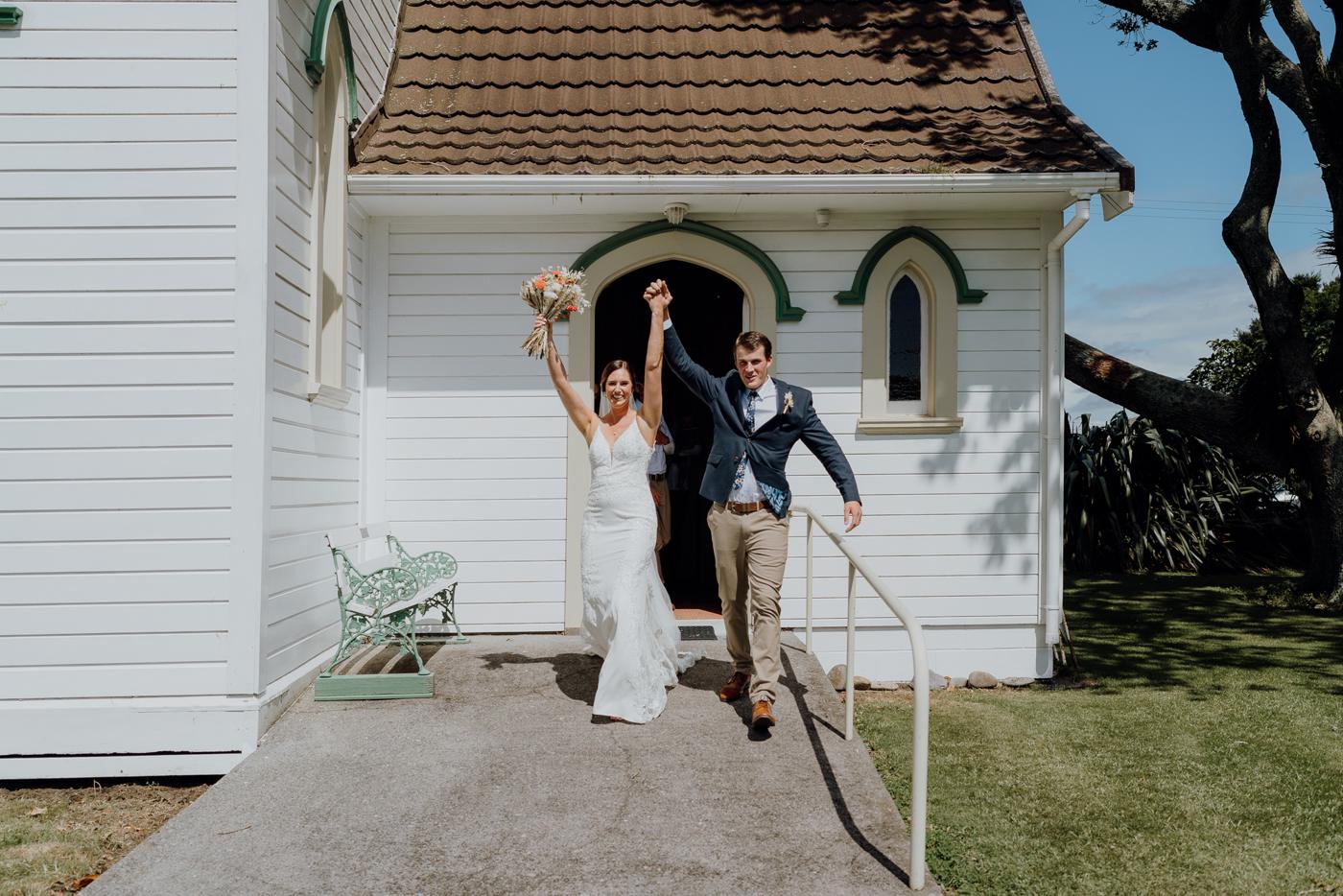
Release them at the recessional. Some couples say, at the end, “Please take out your phones now” as they turn to walk back down the aisle. Guests get their photo, the couple get a recessional full of faces looking at them, and it makes a sweet cue that the formal part is over. The trade-off is that you will have phones in frame for the walk out, so it works best if your photographer has already captured the key moments from the front.
Appoint one or two designated photographers. Choose a friend who films the ceremony from an agreed spot, out of the main sightlines. Agree exactly where they will stand and let your photographer know so you are not left with “whoever wants to film”. If you want ceremony video and have not hired anyone, read photography, film or both first, since photography and film are planned together and the answer changes where people stand.
Make one quiet exception. If a grandparent really wants a single photo of the aisle walk, you can allow it. It is your day, and a quiet exception for one person does not undo the request. Tell the photographer so they know where it might happen.
When an unplugged request is not worth the friction
The request exists to solve a problem, and some ceremonies barely have it. If you are marrying in front of a small group, all close family and friends, there are fewer phones in the sightlines, and a formal request can feel like more ceremony than the situation needs. If you already know your family would not hold phones up, a gentle line from the celebrant may be enough on its own, and a sign could feel stiff. The same goes for a very short ceremony, where there is little time for anything to go wrong. Small weddings work differently in many ways, and this is one of them.
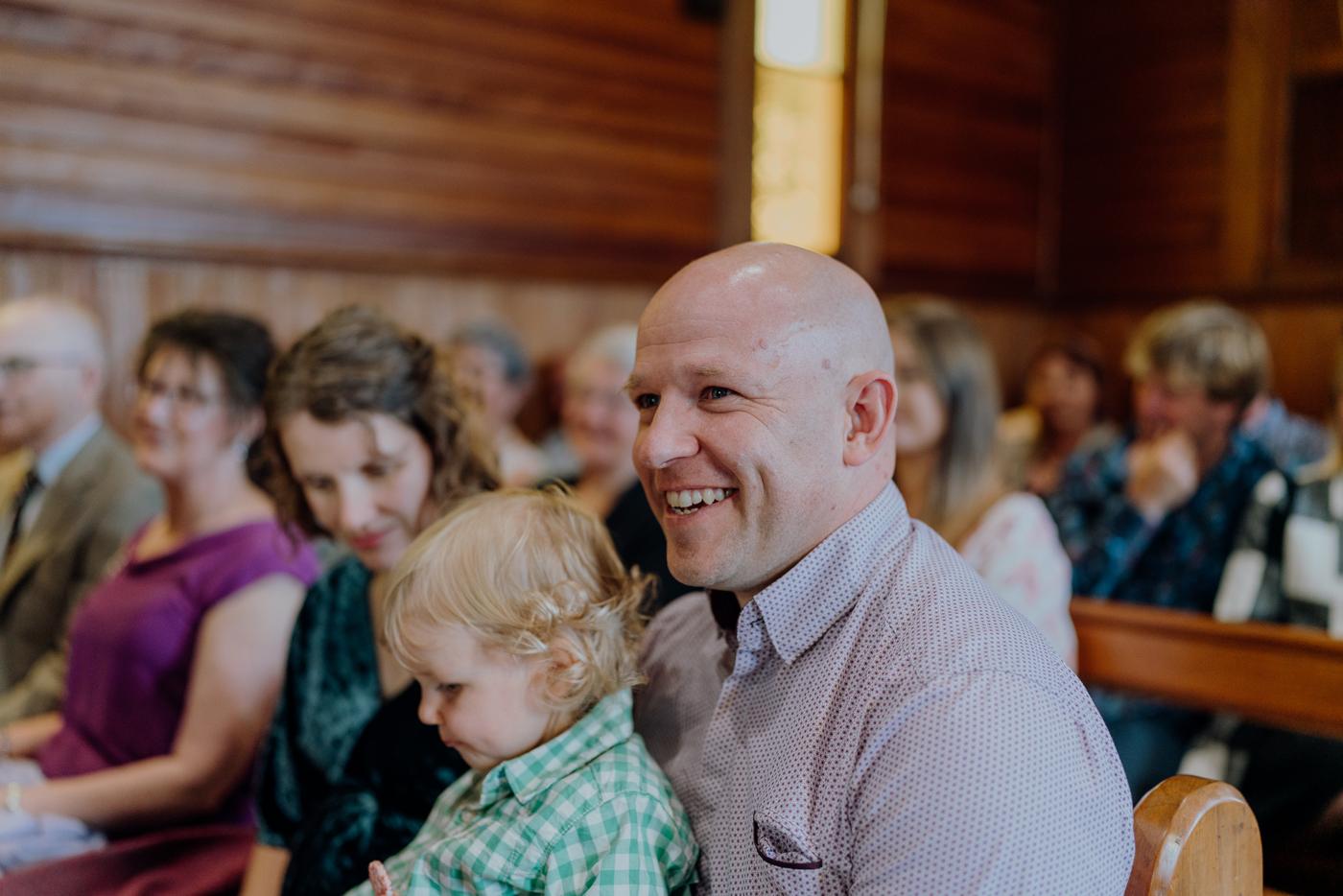
A second case is a family where phones carry real meaning. Relatives overseas may be depending on a guest to film so they can watch later. If that applies, do not run a blanket ban and then feel awkward about an exception. Decide in advance who films, from where, and tell your photographer.
A third is pressure you do not want. If asking will start an argument with a parent who feels strongly, you can protect only the aisle walk and the vows and let the rest go. A smaller request that guests follow beats a large one they ignore.
Think of unplugged as a tool for a specific problem. If you do not have the problem, you do not have to use the tool.
The venue changes how much the ask matters
Some ceremony settings give guests something to look at: a harbourside terrace, a headland, a garden with the water behind you. A view like that can make the reflex to reach for a phone stronger. A plain room with a blank wall behind the couple gives guests less to film, though the aisle walk still pulls phones up.
If the setting is spectacular, make the ask. If you are in a quiet room with a small group, you may find a spoken request alone is plenty. Either way, tell your photographer the plan early, because it affects where they position themselves and what they can promise to cover. Asking is part of what to ask a wedding photographer before you book.
What to expect if someone ignores the request
Even with a sign, a celebrant’s request and a word with the family, one guest may still lift a phone. That is normal, and no plan is fully watertight.
A photographer can usually work around it by changing position slightly or timing a frame for when the arm drops. It is not worth stopping the ceremony, and it is not worth asking the celebrant to call someone out in front of everyone. One raised phone does not cancel the point of asking. It only means one photo needs a different angle.
What does help is a plan for the person you cannot stop. If a particular relative is likely to ignore the request, ask a friend or sibling to sit beside them and quietly steer. Do that before the ceremony, not during it. A calm word from someone they love usually lands better than anything official.
What to do next
- Decide how far you want the request to go: fully unplugged, aisle and vows only, or released at the recessional.
- Write your wording using the three versions above as a starting point, and put it on the wedding website now so nobody is surprised.
- Brief your celebrant and the family nearest the aisle, and confirm whether anyone has an agreed reason to film.
- Tell your photographer your plan, and ask how you can share photos with guests afterwards so the promise on your sign is one you can keep.
- Read the Sydney wedding day timeline to see where the ceremony sits in your day, and first look or not if you are weighing a private moment before guests arrive.
If you would like to talk through how the ceremony fits your day, check your date and get in touch. If the date is free you will hear what the day could look like, and if it is booked you will be told straight away.