
Choosing between wedding photography and videography is a hard line in a budget, because the two are not smaller and bigger versions of the same thing. A photograph can never carry a voice, and a film can never give you the single frozen instant you can sit with for an hour. Pick one and the other is simply absent from your records of the day.
This article works through the trade: what each one holds, how to compare quotes fairly, three ways to split a fixed budget, and the situations where film should win even when the maths says otherwise. If you are weighing wedding photography against videography, the decision rules further down should settle it.
Quick answer: If the budget forces one choice, take photography, because it is the only version of the day you can hold still and look at. The exception is sound. If hearing the vows, a speech or a particular person’s voice again matters to you, book film and shorten the photography day instead. If you can afford both, plan them together so the two do not trip over each other.
On this page
- What each one captures
- What you give up when the budget forces a choice
- How to compare quotes without fooling yourself
- Three ways to split one budget
- Why one person doing both is a trade, not a discount
- When film beats the maths
- Decision rules
- Questions to ask before you book either
- What to do next
What each one captures
A photograph stops one instant and lets you stay inside it. The exact shape of a laugh, the way light came through a window, who was standing just behind the bride with a hand over their mouth. You can print it, frame it, put it in an album, and look at it for as long as you like without waiting for anything to play.
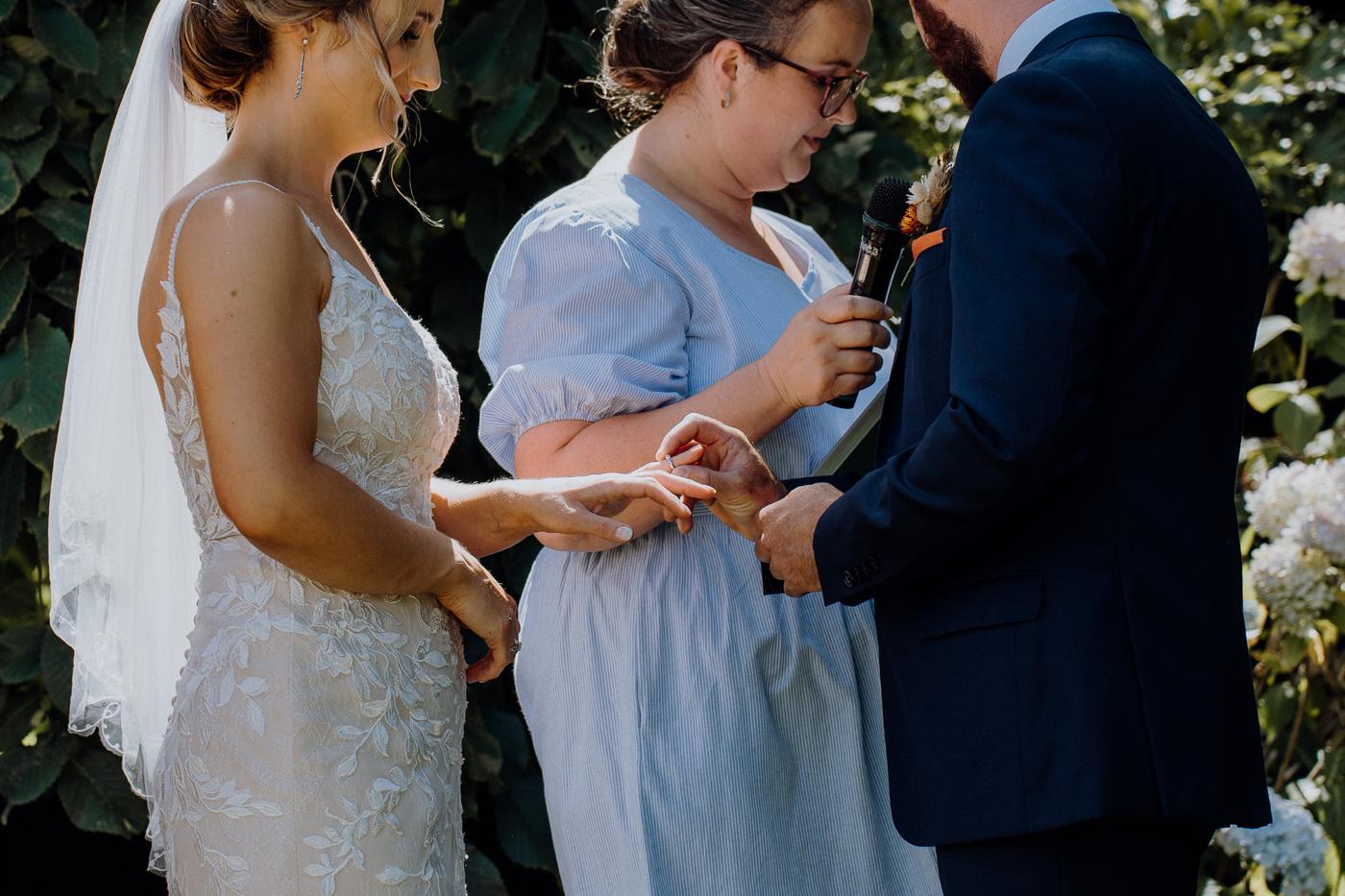
A film carries sequence and sound. It holds the crack in a voice partway through a vow, the rhythm of a speech that ran long and was better for it, the song under the first dance. Movement lets you see how someone walks into a room, which a still frame can only suggest.
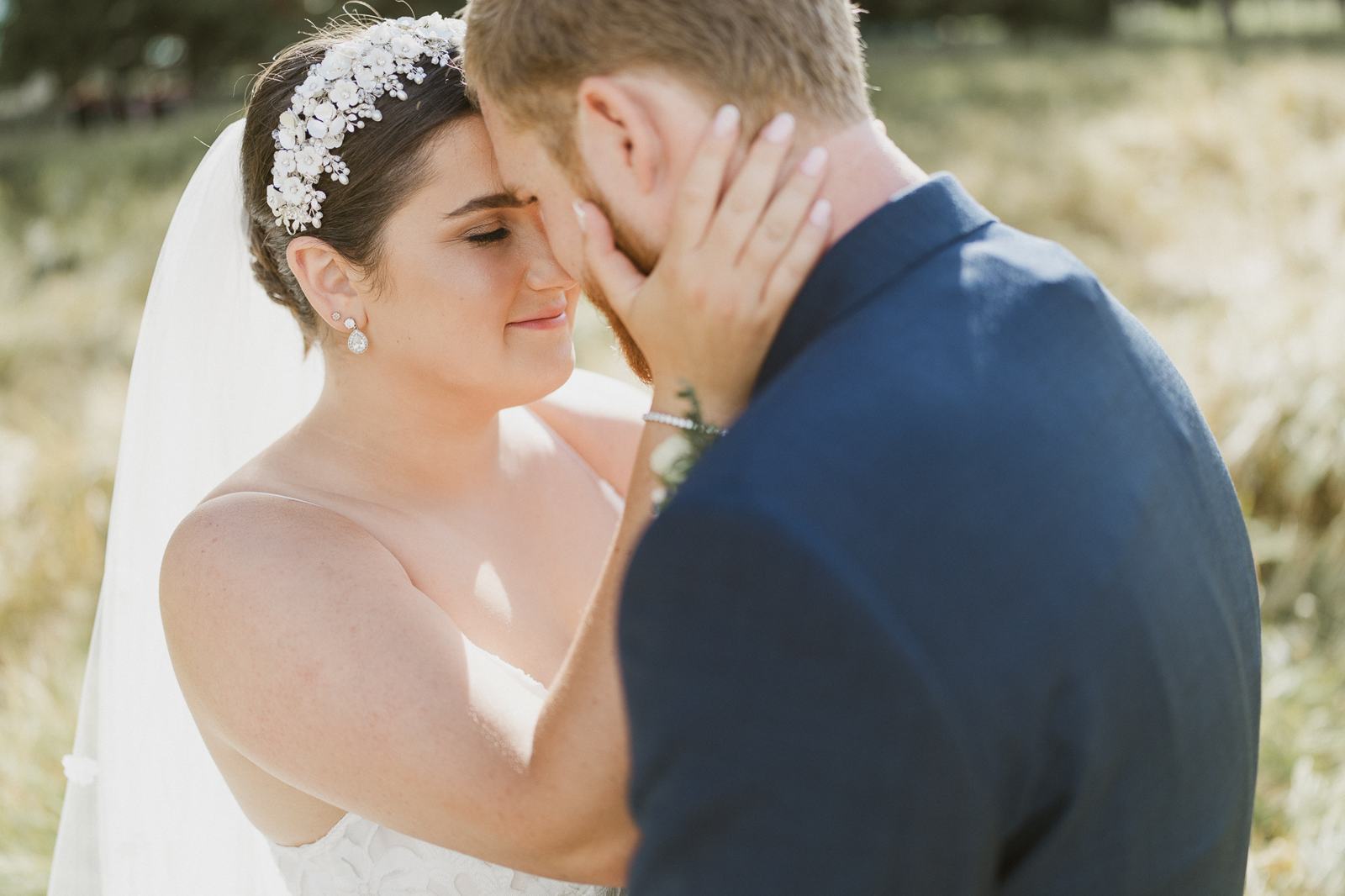
That difference is the whole reason the decision is hard. Photography is memory held still. Film is memory that moves and talks. Neither is a downgrade of the other, so “which is better” is the wrong question. The useful question is which loss you could live with.
There is a practical side as well. Photographs are easy to share, easy to show a grandparent, and easy to look at in thirty seconds. A film asks for a few minutes and a screen. Some people love that ritual, and some never press play after the first week. You know which kind of person you are better than anyone else does.
What you give up when the budget forces a choice
Here is what each option leaves you holding.
| Option | You keep | You lose |
|---|---|---|
| Photography only | A full gallery across all the hours you book | Voices, sequence, the sound of the room |
| Film only | A moving record with sound | Stills to print, frame and put in an album |
| Photography and film, same total budget | Some of each | Hours of coverage on both sides |
| Photography and film, bigger budget | Both, at the length you want | Money you may need elsewhere in the wedding |
The third row is where the real arithmetic lives. When the total is fixed, every hour or deliverable you give to one side comes off the other. Hours are the clearest lever, because they are how photography is sized. Six hours usually ends before the speeches, eight is the usual pick, and ten is what nobody regrets. Move from eight to six to make room for film and you have bought a film at the price of the speeches, which is exactly the part of the day a film is best at.
Photography starts from $4,000, and hours, film and where you marry move the price from there. Film can be added to photography or booked alone. The sensible way to see the real trade is to ask for the same date priced three ways (photography alone, photography with film, and film alone) and compare the three numbers side by side. The gap between the first two is the true cost of film for your day, and no rule of thumb will tell you that better than a quote.
If you want the detail behind how hours turn into photographs, the article on what a 6, 8 and 10-hour wedding day actually yields sets it out, and what’s actually in a wedding photography package covers what a package should list so the comparison is fair.
How to compare quotes without fooling yourself
Quotes for photography and film rarely line up neatly, so a few checks keep the comparison honest.
- Compare hours with hours. A photography quote sized in hours and a film quote sized in a finished running time are different units. Ask what the film covers: ceremony only, ceremony and speeches, or most of the day.
- Ask what you receive. For photography, at least 300 edited high-resolution photographs depending on hours is the starting point at TZ, and delivery takes four to ten working weeks. Ask every film provider what the finished film is, how long it is, and when it arrives, because turnaround differs between the two services.
- Ask what happens with sound. If speeches matter to you, ask whether they will be recorded and how. A beautiful film of a speech nobody can hear is a poor trade.
- Ask who plans the day. When photography and film are planned together, the people involved agree in advance where each will stand during the ceremony and what happens at the first look. When they are booked separately, that conversation is on you.
- Ask about the deposit. At TZ the deposit is not refundable, because the date is held and other couples are turned away. Check how each supplier treats theirs before you pay either one.
Put the answers in one table. When a cheaper film quote turns out to cover only the ceremony, you will see it immediately, and you can decide whether ceremony-only is what you wanted.
Three ways to split one budget
Take any fixed total for photography and film combined. There are three honest ways to spend it, and each suits a different kind of wedding. These are examples of shape, not prices. Say the total would buy eight hours of photography on its own.
Longest photography, no film. All of it goes into stills, so the whole day is covered, from getting ready to the dance floor. This suits a couple whose day runs late and who expect the party to be the wedding.
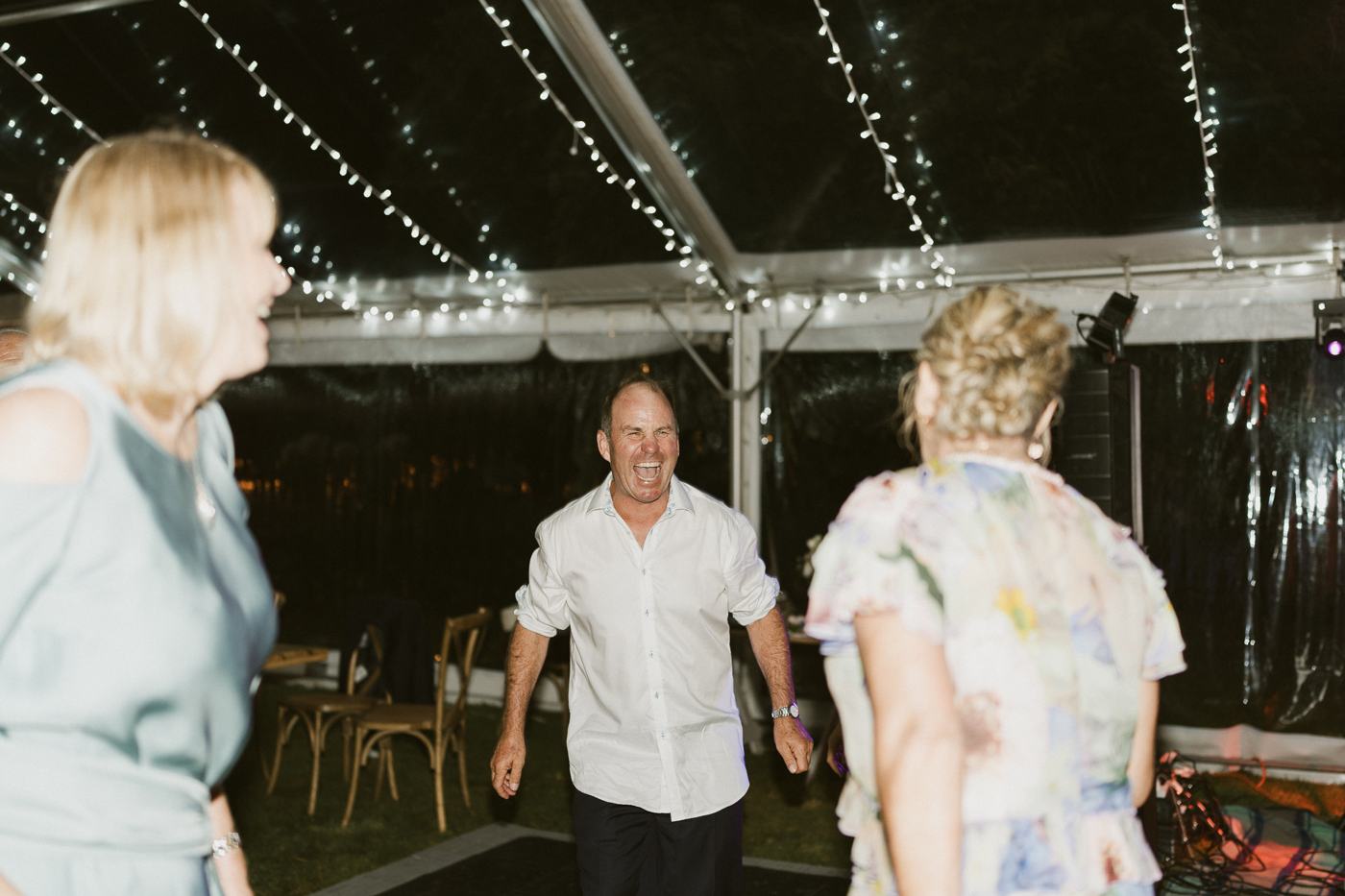
Balanced. Reduce photography to six hours and put the difference toward a short film of the vows and the speeches. Remember that six hours usually ends before the speeches, so check where the photography finishes. If you choose this split, ask both services to confirm in writing that the speeches fall inside the coverage of at least one of them. The hours you give up come off the end of the coverage, so look at what happens in the last part of your evening before you agree to that.
Film-heavy. Shorter photography and a longer, fuller film. This suits a couple who already know they would rather watch than flick through, or who want the whole day on record with sound.
Which one to take comes down to a single question about your own habits. If you picture yourselves at a family lunch pulling out an album, lean toward the first or second. If you picture a screen and a quiet evening, lean toward the third. Answer as the people you are, not as the people you hope to become.
Why one person doing both is a trade, not a discount
Some couples try to solve the budget by hiring one person to shoot stills and film across the same day. It is worth being clear about what that is.
Stills means being close, reacting fast and moving constantly. Film means holding a steady frame, listening to the audio and planning a sequence before it happens. One person cannot do both at full strength at the same moment, so something gives. The risk is a shorter film and a thinner gallery than either service would give you on its own, which is a different thing from a discount on the full version of either.
None of this means a one-person arrangement is always wrong. It means you should ask exactly what you are buying:
- Is it one person working in two roles, or two specialists who plan together?
- How much of the ceremony will each role actually be covered, and who stands where?
- If the person has to choose between a still and a clip at a key moment, which wins?
- Ask any studio whether it offers a second photographer or a second camera, and what that adds, rather than assuming.
If money is tight, a narrower film can be the better compromise: ceremony and speeches only, from a provider who films, alongside full photography. It focuses the spend on the two things only film can capture. For related thinking on extra coverage, see do you need a second shooter.
When film beats the maths
There is a category of couple where the advice above reverses.
If a parent or grandparent is seriously unwell, or a close family member cannot travel and will only ever experience the ceremony as footage, film stops being a nice extra. For that one person, the comparison is not photographs against film. It is film against nothing.
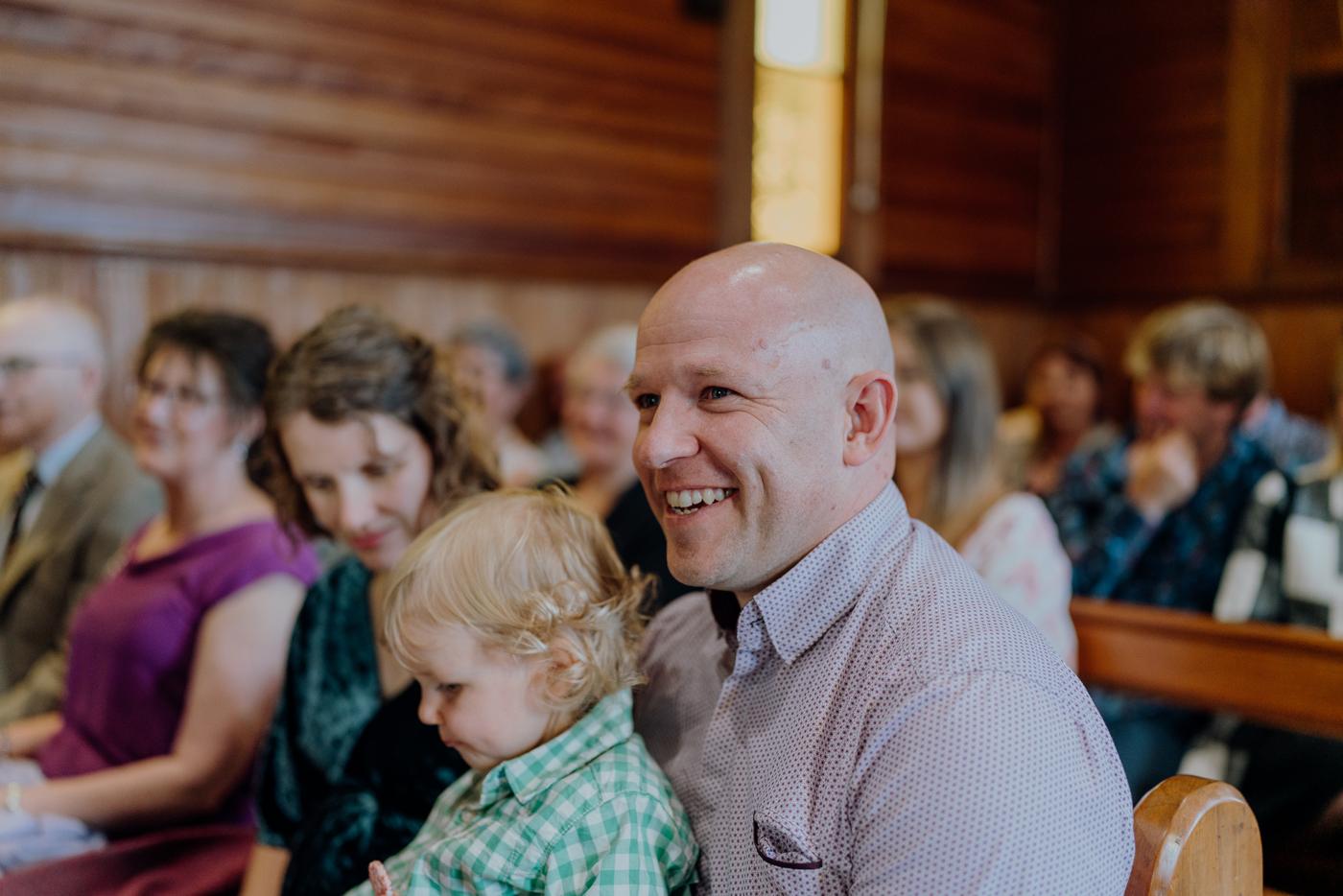
The same logic applies to anyone you will want to hear again. A relative whose voice you would give a great deal to have on record, a friend who gives a speech that is funnier than anything printed, or a vow you wrote yourselves and will not remember word for word. A photograph shows you a person speaking. Only a film lets you listen.
If any of that applies, say it out loud to whoever you book. It changes what gets recorded and where the microphones, cameras and people need to be, and it gives a good provider something specific to protect on the day.
A phone propped on a chair or held by a guest is better than nothing for this, and some couples decide it is enough. It will look and sound like a phone: handheld, unpredictable audio, whatever angle that guest happened to have. It solves having a record. It does not solve having something you would watch again with pleasure.
Decision rules
If the reasoning above feels abstract, these rules turn it into choices.
| If this is true | Then lean toward |
|---|---|
| You only want to look back through images | Photography only |
| Hearing a particular person or the vows is the point | Film first, with a shorter photography day |
| You can afford both and want the day on record | Both, planned together from the start |
| You can afford both but only a short film | Photography at full length, film for ceremony and speeches |
| The party is the heart of the wedding | Longest photography, no film |
| A close relative cannot attend in person | Film, even if it means fewer photography hours |
Two further checks help when you are close. First, imagine the budget cut by one line and ask which of the two you would regret losing in five years. Do this separately, then compare answers. Second, ask whether the thing you want from film could be met another way. A speech can be recorded on a good phone by a trusted friend. A portrait you love cannot be recreated afterwards.
If you are still undecided, a short film for the ceremony and speeches alongside full photography settles it for some couples, because it covers the one thing a still image can never give you, which is sound. Is a same-day edit worth it deals with a related add-on that is often confused with a film: a same-day edit is a short teaser shown at the reception that night, so it is a different deliverable.
Questions to ask before you book either
Put these to a photographer and to anyone who films, and compare the answers on paper.
For photography
- How many hours are included, and where does the coverage end relative to the speeches?
- How many edited photographs should we expect, and in what time?
- Will you be working alongside a film provider, and have you done that before?
For film
- What does the finished film contain, and how long is it?
- Is sound recorded for the vows and the speeches, and how?
- When do we receive it, and is that earlier or later than the photographs?
For both
- Who plans the day, and how do the two services agree where to stand?
- Is this one person in two roles, or two specialists?
- What is the deposit, and what happens to it if our plans change?
More questions are collected in the questions worth asking a wedding photographer before you book. A provider who answers these plainly, without hurry, is already telling you something about how the day will run.
What to do next
- Decide which loss you could live with: no moving image, or no stills. Write it down before you look at any quotes.
- Ask for your date priced three ways: photography alone, photography with film, and film alone. TZ’s starting point and how booking works are on the investment page, and film is on the films page.
- Check where the photography hours end against the speeches, and confirm in writing who covers them.
- If a relative cannot attend or a voice matters, tell the provider now so they plan for it.
- For wider planning, the tips library and the wedding photography cost guide cover the rest of the budget.
Binh Trinh answers honestly whether he is free on a date. If it is free, you hear what the day could look like, and if it is booked, he says so straight away. Check your date and ask about photography, film or both.