
Some couples living in Sydney are not marrying in Sydney. The wedding, with the family and the banquet (and for some couples a tea ceremony), is happening in another city or another country, sometimes months after they fly out. A pre wedding shoot in Sydney lets them make the portraits here, before they go, on a day set aside for nothing else.
It is a different job from a wedding day or a casual engagement session, and it is planned differently. This guide covers the looks, the day, large prints and timing.
Quick answer: A pre-wedding shoot is a dedicated portrait session, often with several outfits and sometimes more than one location, done separately from the wedding. The photos can be printed, displayed at the banquet or used on invitations. Book it early enough that editing and printing finish before you travel, and plan the day around the light, not around a fixed number of looks.
On this page
- What a pre-wedding shoot is, and where the custom comes from
- How it differs from an engagement shoot and from the wedding day
- Designing the looks
- Choosing locations in Sydney
- Building the day: a worked example
- Planning for large prints
- Timing the shoot around the overseas wedding
- Hair, makeup, outfits and who does what
- When a pre-wedding shoot is worth it, and when it is not
- What to do next
What a pre-wedding shoot is, and where the custom comes from
In Chinese-speaking communities these sessions are often called wedding dress photos (婚纱照, hūnshā zhào). Similar customs exist in other parts of Asia and in diaspora communities, and in some places studios sell it as a ready-made package. It is a modern custom rather than a ritual, and families vary a great deal.
The shared idea is a set of portraits made before the wedding, in a calm setting, with time to change clothes. The finished photos then greet guests, decorate the banquet room or go into a printed book.
A pre-wedding session is not part of the ceremony, so nothing in it is required by tradition, and nothing needs to match what your family did. If a relative has opinions about outfits or backdrops, have that conversation with them directly.
How it differs from an engagement shoot and from the wedding day
An engagement session in the Western sense is usually short, usually one outfit and one place, and the photos mostly go on a save-the-date or a social feed. A pre-wedding shoot is built for more uses and more variety. The table shows the main differences.
| Engagement shoot | Pre-wedding shoot | Wedding day | |
|---|---|---|---|
| Outfits | Usually one | Often several, sometimes including clothes you will not wear at the wedding | Set by the day’s events |
| Locations | Usually one | Often more than one, chosen to contrast | Set by the venues |
| Pace | Casual | Unhurried, no guests to manage | Fast, led by the order of events |
| Main use | Save-the-date, social media | Prints, banquet display, invitations, albums | A record of the whole day |
| Who is there | The couple | The couple, plus hair and makeup help | Everyone |
On a wedding day the photographer works around a timetable other people set. On a pre-wedding day the light, the clothes and your energy decide the pace, so a missed look can be repeated and a stiff start can settle without anyone waiting.
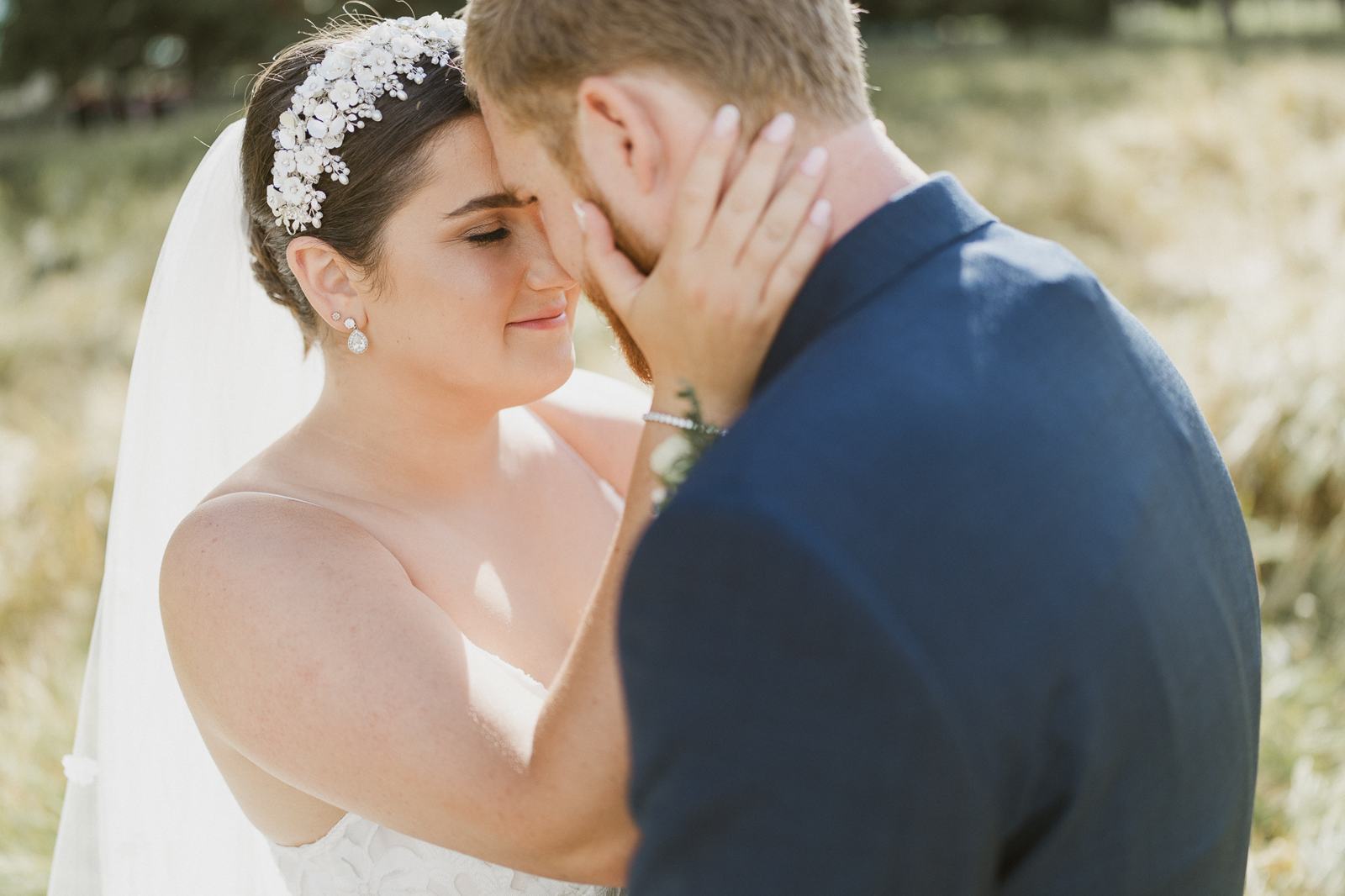
It also means a camera-shy couple may find this easier than the wedding day. Real moments as they happen, with gentle guidance for portraits, is how portrait time works at TZ, and on a session with no guests that guidance can be simple prompts such as walking, talking or leaning in, never an over-posed stack of positions.
Designing the looks
Looks are the backbone of the plan, because every change costs time. Decide the looks first and let the locations follow.
A look is a combination of clothes, hair, makeup and a mood. Three contrasting looks give a set with real variety. The usual pairings are these:
- A formal, elegant look, often a fitted gown or a suit, which suits architecture, a wide street or a city backdrop.
- A softer, romantic look, in pastel or neutral tones, which suits open shade, trees, water or a garden.
- A traditional outfit, if you want one. A cheongsam (also called a qipao) is a fitted dress with a high collar, and an áo dài is a long fitted tunic worn over trousers. Both read best against a simple background that does not compete with the fabric.
Some couples include a Western gown they will not wear at the wedding, which suits a session separate from the day. If you will wear the same outfit later, protect it, because grass, sand and wind are hard on a dress.
For the traditional outfit, ask your photographer to see where they would stand it in the frame. Embroidery, a high collar and a long train all need space around the body to show. How these outfits work on the wedding day itself, including the changes between them, is covered in Qun kua, xi service and the Western dress.
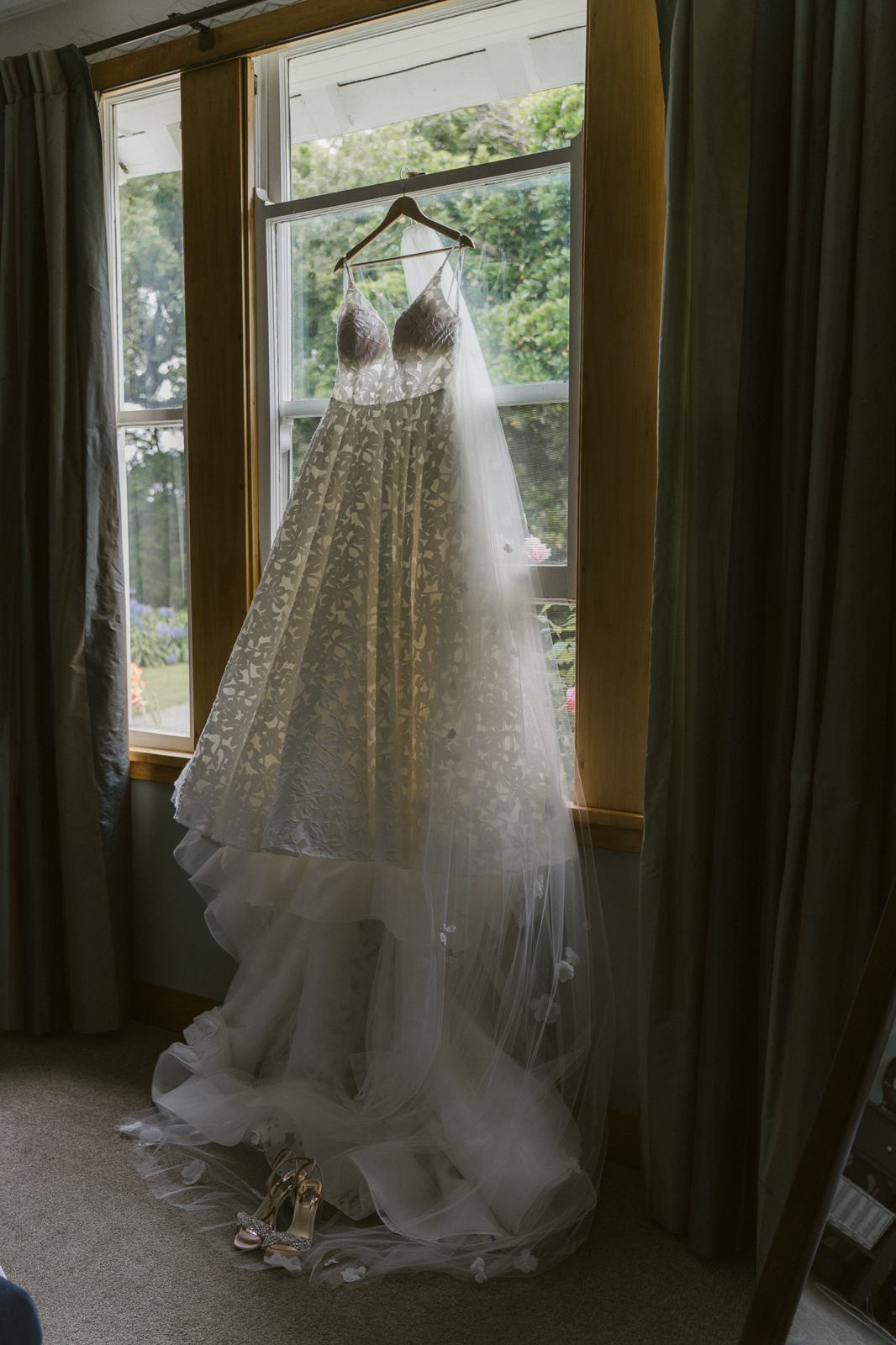
A hair and makeup person on site, or on call, matters on this kind of day, because three looks need three touch-ups. Bring shoes you can stand in all day.
Choosing locations in Sydney
Sydney offers a wide range inside a short drive: harbour edges, city streets, ocean beaches, public gardens and open parkland.
The useful rule is contrast. Three locations that look alike produce three versions of the same photo. A set of portraits is more useful when a hard-edged city frame, a soft green frame and an open water or sky frame all sit in the same folder, because you then have a choice of what to print, what to put on an invitation and what to hang at the banquet.
Choose locations with these checks:
- Direction of the light. Water to the east and sun setting behind the land gives a different evening from a west-facing shoreline. Harbour vs beach vs west explains how the same hour looks different in each setting.
- Shade for the middle of the day. A location with open shade, such as under trees or between buildings, lets you keep working when the sun is high.
- Travel time between places. Every drive eats into the day. Ask your photographer to put the locations in a sensible order and tell you the total travel time before you agree to the plan.
- Permissions and crowds. Some public places need permits for commercial photography and some are simply busy at weekends. Ask your photographer whether any of your choices need a permit or an early start, and confirm with the venue or council.
- A wet-weather option. A covered walkway or an indoor spot with good window light can rescue a day.
You do not need exact places before you enquire. The mood of each look, and whether you want water, greenery or city lines behind you, is enough for a photographer to suggest places and an order.
Building the day: a worked example
The numbers below are an example, not a rule. Every length of time in it is an assumption chosen to show how a day adds up, and your own plan will differ.
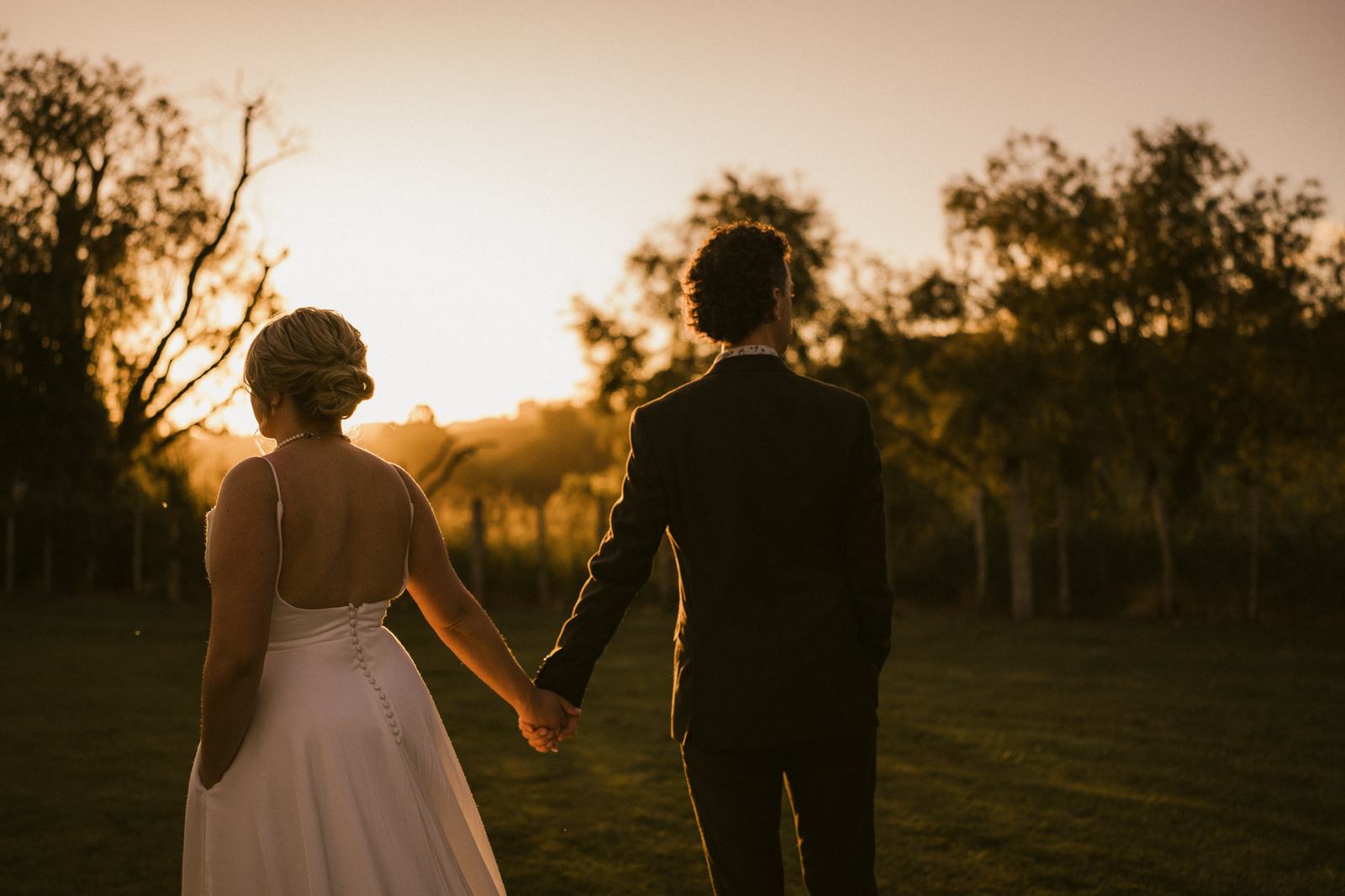
Say you book a three-look session on a Saturday in mid-June and want the last look in golden light. From the Sydney light table for 15 June, sunrise is 6:58am, golden hour starts at 4:15pm, sunset is 4:53pm and civil dusk is 5:21pm. Golden hour lasts 38 minutes, so the warm light is short, and the plan has to be built backwards from it.
| Time | What happens (assumed) |
|---|---|
| 9:30am | Look one, formal, in the city, with hair and makeup already done |
| 11:30am | Change and touch-up, then drive to the second location |
| 12:30pm | Lunch and a proper break |
| 1:30pm | Look two, soft and romantic, in open shade |
| 3:00pm | Change into the traditional outfit, touch-up, drive to the final location |
| 4:15pm | Golden hour begins, shoot the final look |
| 4:53pm | Sunset |
| 5:21pm | Civil dusk, the end of usable light |
Read it from the bottom up. Golden hour is fixed by the sun, so the final look has to be dressed, made up and standing in position by 4:15pm. That sets the 3:00pm change, which sets the lunch break, which sets the morning. If anything slips, the morning is where the slack must come from, because the evening cannot be moved.
In this example, changes, drives, touch-ups and a break take up a large share of the day, and that proportion is normal for a multi-look session. A day with three looks and three locations is closer to a small production than to a single sitting.
Now move the same plan to mid-November. From the same table for 15 November, golden hour starts at 7:01pm, sunset is 7:36pm and civil dusk is 8:03pm, and the warm light lasts 35 minutes. The whole day can start later, the final look moves into the evening, and the middle of the day is the long, bright stretch to plan around. The light data is for the Sydney CBD, so a west-facing spot loses usable light earlier, and a spot with a hill or buildings to the west loses it earlier again. The full month-by-month figures are in Sydney golden hour by month.
Planning for large prints
If the photos are going on a banquet wall, a welcome board or a large framed print, the shoot should be planned for that size from the start. A big print is viewed from closer than a phone screen, and it shows problems that a small image hides.
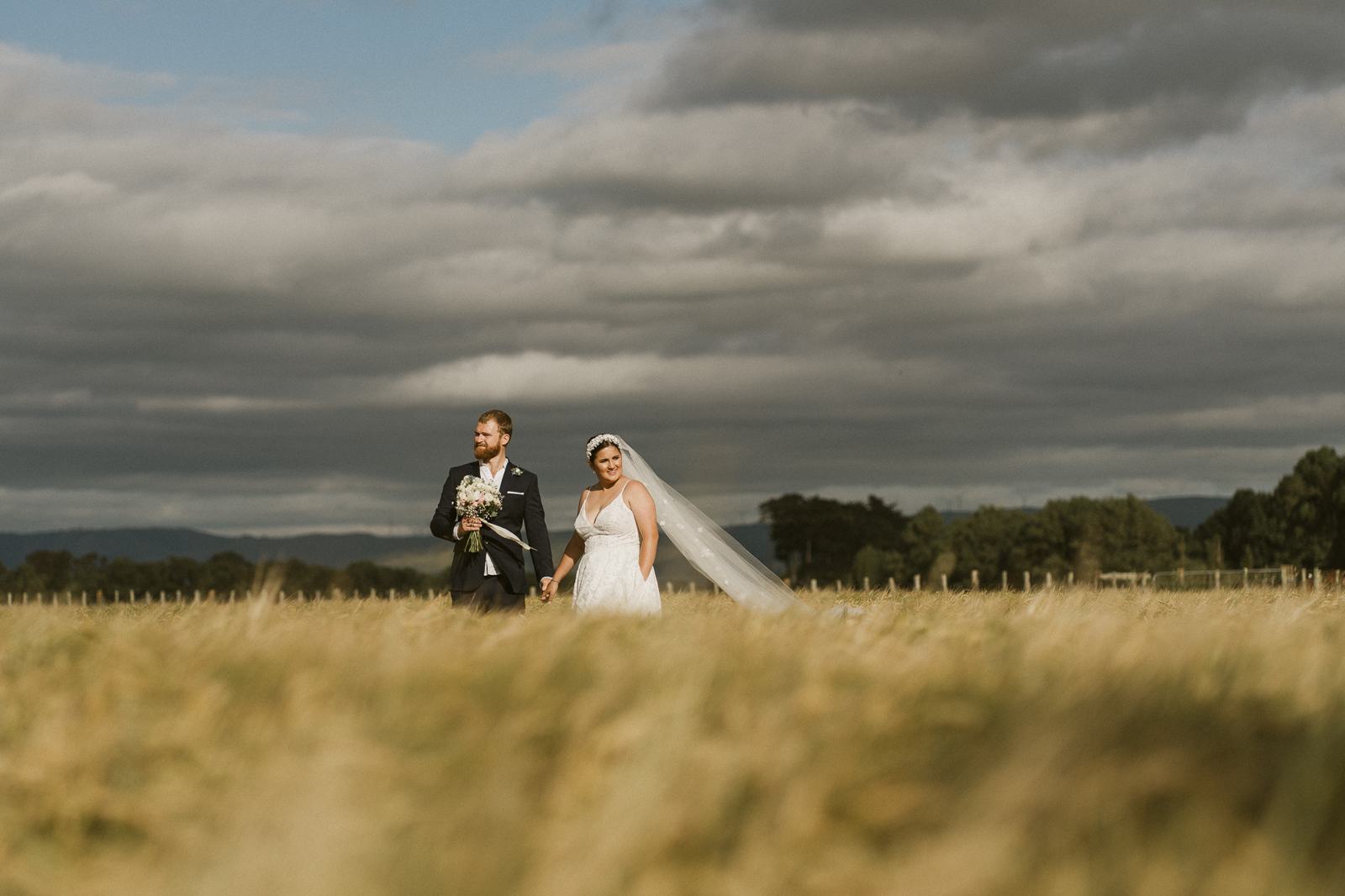
Backgrounds. Anything busy behind you becomes clutter at scale. Bins, signs, parked cars and bright patches of sky pull the eye on a metre-wide print. Tell your photographer which pictures are headed for the wall.
Room to crop. Printers and banquet designers often need a particular shape: a tall banner, a wide backdrop or a square. If the frame is cropped tightly in camera, there is nothing to extend. Ask your photographer to include some wider frames with space around you, so the picture can be cropped later to suit a canvas that has not been chosen yet.
File size and sharpness. A print is only as large as its resolution allows. Before you pay for a print, ask the printer what pixel dimensions they need for the size you want, and ask your photographer whether the edited files are delivered at full resolution. Do not use a small web version for a large print; it will look soft.
Timing the shoot around the overseas wedding
Work backwards from the date you need the finished products in your hands, which is usually before you travel, not the wedding date itself.
- The wedding or the departure date. Photos for a banquet need to be printed and packed, or printed at the destination, before the event. Decide which.
- The printer’s lead time. Ask the printer how long a large print, a photo book or a backdrop takes, including shipping if it has to travel with you or ahead of you.
- The editing time. Ask your photographer how long editing takes for a session of your size, and whether a short selection can be delivered early for design work.
- The shoot date. Subtract the editing time and the print time from your departure date, then add a margin.
The season also decides how the day is built. A June shoot has a short, early golden hour, so a three-look day has to be compressed or start early. A November shoot has a long evening, so the final look can wait. Winter weddings in Sydney covers the shorter-day problem in detail, and the same logic applies to a portrait day.
Weather is the other variable. With no ceremony and no guests, a pre-wedding day can be moved. Ask whether a rain date is available before you book, how much notice is needed, and whether the deposit carries over if the day moves. A booking holds a date and turns other couples away, so settle the rain plan in writing beforehand.
If you plan photography at the overseas wedding as well, the two are separate jobs with separate light and clothes. Elopements and destination weddings covers how coverage works when the wedding is somewhere else. Travel, venues and local rules at the destination are your own planning, so confirm them with your celebrant or the official government site.
Hair, makeup, outfits and who does what
It is worth settling the logistics before the day, because most of the problems on a multi-look session are logistical, not photographic.
- Hair and makeup. Decide whether to book a stylist for the whole day or only the first look. Ask whether touch-ups between looks are included and whether they travel between locations.
- Outfit hire or purchase. Book hire early. Ask what happens if a fitting runs late or an item is damaged during the shoot.
- A helper. A friend or family member who carries the outfits, holds a drink and fixes a collar is worth having. Keep the number small, because a crowd on location slows everything and makes some couples self-conscious.
- Family. If parents want to join a small part of the session, say so when you book, so time and a location can be set aside for it. Large family groups belong more naturally to the wedding day, and the guide to Chinese wedding photography is the place to start for that side.
A short written brief helps everyone. List the looks in order, the outfits for each, who is coming, the prints you have in mind and the date you need the photos by. Photography and film are planned together if you want both, and film can be added to photography or booked alone, so mention film in the brief early if it is on your mind.
When a pre-wedding shoot is worth it, and when it is not
A pre-wedding session is an addition to wedding-day coverage, not a replacement for it. The wedding day happens once, with the people and the light of that day. A pre-wedding session can be rebooked, moved or done after the wedding, if the budget works out differently.
That makes the decision simple in one direction. If the budget is tight and the choice is between a pre-wedding shoot and proper coverage of the wedding day itself, the wedding day should win. Photography starts from $4,000, and hours, film and where you marry move the price from there. Pre-wedding sessions are offered, and the price depends on the plan, so ask for a quote against your own looks and locations.
A shoot earns its cost when the photos have a clear job, such as a banquet wall, a printed book, invitations or a set for family who cannot attend. It earns less when the only reason is that the custom is expected.
If you are unsure, write down where each photograph will end up. A long, specific list suggests a full day. A short one suggests two looks and a shorter session.
What to do next
- Decide the use. Write down where the photos will be shown and printed, and the largest size you want.
- Pick your wedding or departure date and work backwards, using the steps in the timing section, to find the latest date the shoot can happen.
- Choose two or three looks and a mood for each, then ask for locations that contrast.
- Check the light for your month in Sydney golden hour by month and decide whether you want the final look in it.
- Read the planning library at /tips/ and the price page at /investment/, then send a short brief.
Binh answers honestly whether he is free on a date: if it is free, you hear what the day could look like, and if it is booked, he says so straight away. If you are marrying overseas and want your portraits made in Sydney first, get in touch with your dates and the looks you have in mind, and he will tell you what is possible.