
Some families plan a Chinese wedding as two events rather than one. The tea ceremony, and sometimes a small Western-style ceremony, happens with close family on one day. The big banquet, with a long guest list and a stage and a lot of tables, happens on another day, sometimes weeks later. If you are searching for a Chinese wedding banquet photographer in Sydney and your plan looks like this, the first thing to sort out is how coverage works across two dates.
This guide covers why families split the day, what each day asks of a photographer, how the booking and pricing can be arranged, and what to tell your photographer so the two days feel like one wedding. Customs differ between families and regions, so treat the descriptions below as general. Your own family’s way of doing things is the plan.
Quick answer: Splitting a Chinese wedding into a family ceremony day and a separate banquet day is a sound way to give each part room, and the photography should be planned for each day on its own terms. The two days are different jobs (close, quiet and personal, then large, bright and loud), so ask how a studio books and prices two dates before you commit. Photography starts from $4,000, and the hours you choose for each day move the price from there.
On this page
- Why families split the day
- What the ceremony day asks of a photographer
- What the banquet day asks of a photographer
- A worked example: two days, one set of assumptions
- How coverage and pricing can work
- Keeping two days looking like one wedding
- When one long day is the better call
- What to ask, and what to tell them
- What to do next
Why families split the day
A traditional wedding day can hold a lot. Depending on the family, it may include a tea ceremony (where the couple serve tea to elders, who give blessings and often red envelopes of money in return), door games (where the groom’s friends complete playful challenges before they are let in to collect the bride), a Western-style ceremony, family photographs, outfit changes, and then a banquet. Fitting all of that into one calendar day is possible, and it is also a lot to ask of everyone, including you.
Splitting is a way to stop the day being a race. Some families do it for a plain scheduling reason. A large banquet needs a venue that can seat the guest list, and popular rooms book on their own calendar, which may not line up with the day the family wants for the ceremony. Others split because of a date chosen as auspicious, or because relatives are travelling from overseas and only some of them can be there for the first day. Some couples simply want the family ceremony to be unhurried, without a banquet start time sitting over every tea cup.
Some couples also like the first day because it is small. The people in the room are the people closest to you, which makes it easier to be yourselves in front of a camera. Camera-shy couples are normal, and a quiet day with close family is a gentler place to find out you are fine at this than a ballroom with hundreds.
What the ceremony day asks of a photographer
The ceremony day is close work. A tea ceremony is a series of small exchanges between the couple and their elders, so the pictures that matter are faces, hands, cups and the moments when somebody gets emotional. Who is served in what order, and which relatives are included, differs between families, which is why your photographer needs to hear it from you rather than assume.
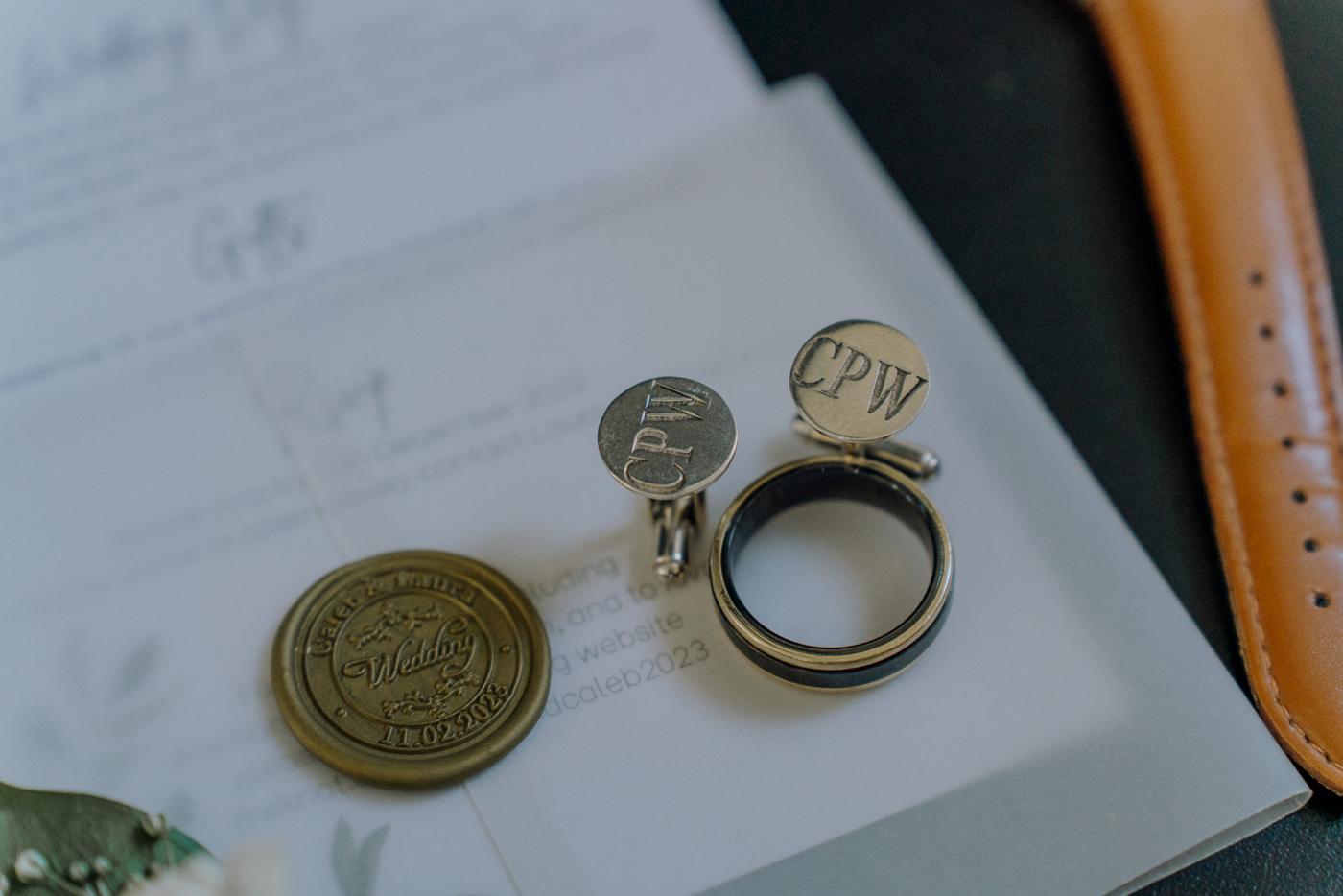
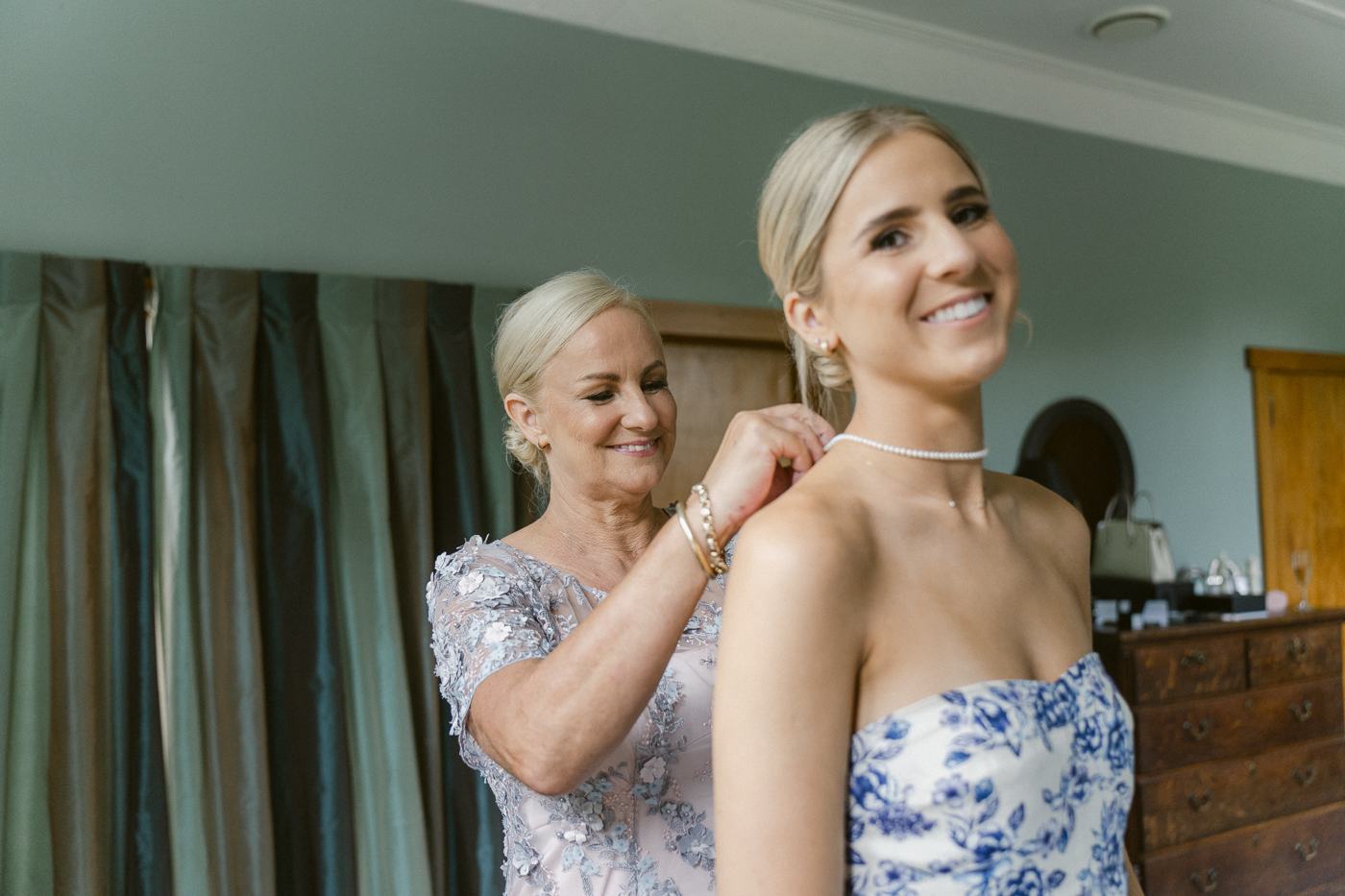
Getting ready may also carry more weight on this day. A mother fastening a necklace or helping with a dress is exactly the kind of quiet moment that fine art coverage is for. It is also the day when the details tend to be most personal, such as heirloom jewellery, a family’s tea set, or the red envelopes themselves.
A few things are worth telling your photographer before the ceremony day:
- The order of events, as your family plans it, including who serves tea to whom and in which room.
- Names and relationships of the elders. Ask your family which relatives must be in a photograph together, and write the list down.
- Any custom the photographer might otherwise walk into. Some families have rules about where guests stand, when photography is welcome, or which moments are private.
- Where the door games will happen, if you are having them, because the group will move through a doorway and the photographer needs to find a place that is neither in the way nor behind the crowd.
Real moments as they happen carry most of this day, with gentle guidance only for the portraits. Simple prompts, never over-posed. If a moment is not for the camera, say so beforehand, and a good photographer will step back.
What the banquet day asks of a photographer
A banquet is a different job. It runs closer to an event than to a family documentary. There is a room to light, a lot of people to find, and a programme that moves on a clock, whether or not the speeches start on time. The room is lit by whatever the venue has, which is often overhead lights and sometimes stage lighting, so the soft window light of a morning is not on offer.
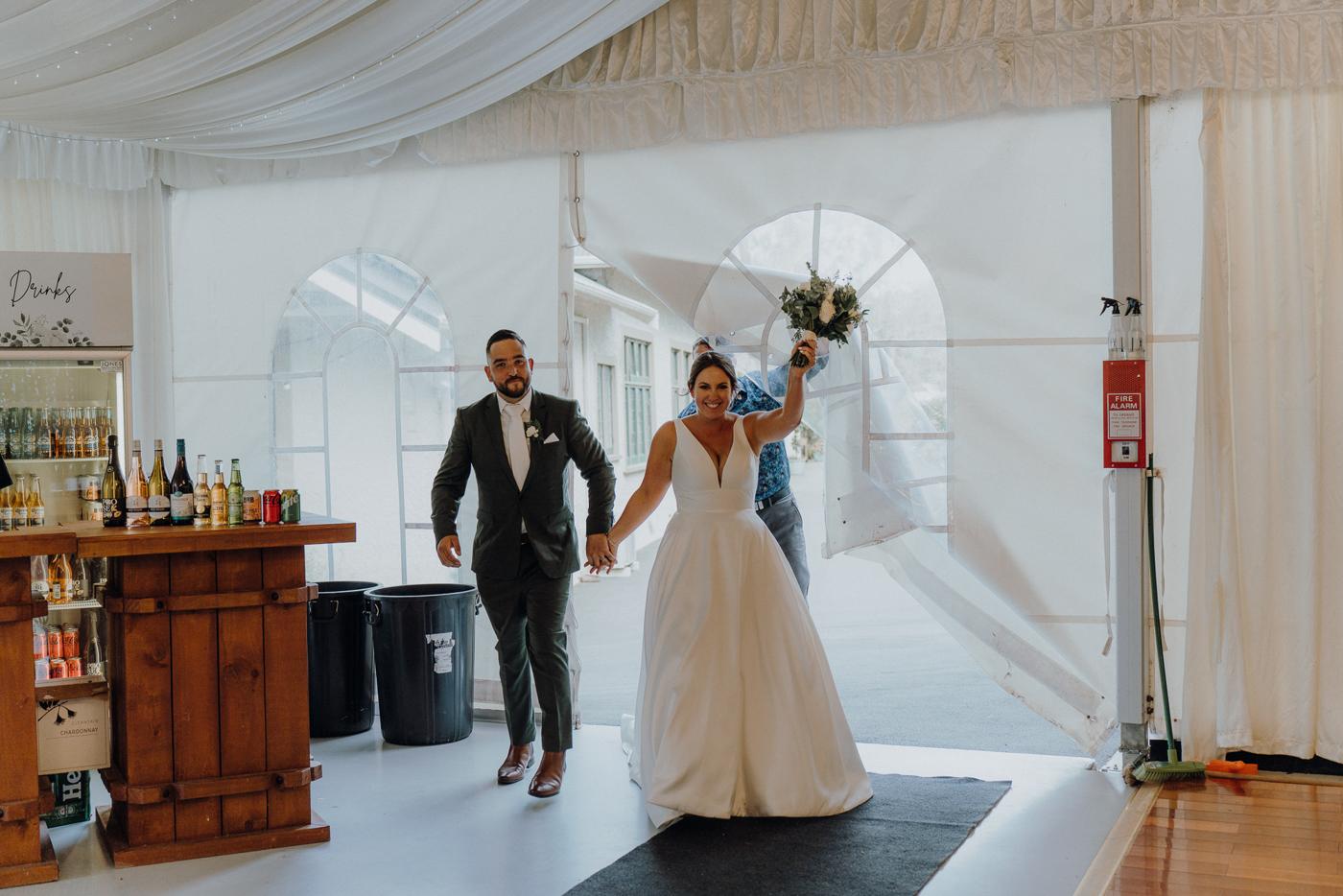
Typical moments to plan around include the couple’s entrance into the room, the cake or champagne tower if you have one, speeches, the toasts, and any dance or performance. At some banquets the couple change outfit, and some families add a third change. Some couples also walk table to table to toast guests. How that works, and when the main courses arrive, depends on the family and the restaurant, so ask the venue for the running order.
Two practical questions matter more on the banquet day than the ceremony day:
- Where is the stage, and where do the lights sit? The photographer needs to know before the doors open. Ask the venue whether a walk-through the week before is possible, and whether they will allow a photographer in the room early.
- Is there a group photograph of the whole room? Some banquets finish with a stage photograph of the guests, and it takes planning, because a large crowd has to be moved and seated. Ask your photographer how they handle it and how much time they want.
Speeches are worth protecting in the schedule. A banquet at tables that run late, with courses out of order, can squeeze them. Six hours usually ends before the speeches, which matters if your banquet runs long. Eight is what most couples choose, ten is what nobody regrets, so lean towards more hours on the banquet day if the programme is full.
A worked example: two days, one set of assumptions
This example is made up to show how the sizes might compare. None of the figures below is a recommendation, and your own plan will differ.
Say your ceremony day is on a weekday, because that is when the celebrant and your overseas relatives can all be there. Assume about twenty-five guests, with six hours of coverage starting in the morning so that getting ready and the tea ceremony happen in daylight. Then assume the banquet is six weeks later on a Saturday evening, with several hundred guests and eight hours of coverage, from the first guests arriving to the end of the dancing.
| Ceremony day | Banquet day | |
|---|---|---|
| Hours (assumed) | 6 | 8 |
| Guests (assumed) | About 25 | Several hundred |
| Light | Daylight, window light indoors | Venue lighting |
| Main moments | Getting ready, tea ceremony, door games, family photographs | Entrance, speeches, toasts, outfit change, dancing |
| Pace | Close and personal | Fast and event-led |
| Planning the photographer needs | Family names, order of events | Venue running order, stage and light plan |
In this example the longer day is the banquet, not the ceremony. That is a choice, not a rule. If your ceremony day has a long getting-ready, a tea ceremony, door games and a Western ceremony, it might need more hours than the banquet. The right answer comes from writing down what you want photographed on each day and adding it up, then asking your photographer how many hours each one needs.
Delivery is a separate decision. Photography delivery takes four to ten working weeks for a normal wedding, and for a two-day booking you can ask whether the galleries arrive separately or together after the second day. You might prefer one complete set at the end, rather than two deliveries weeks apart, or you might want the ceremony pictures straight away. It is your preference, and a studio should be willing to say what it offers.
How coverage and pricing can work
There is no single standard for booking two days. A studio might treat them as two separate bookings, each with its own hours and price. Another might offer one package spread across two dates. Neither is wrong, but they are not the same thing, and the quote you receive should say which one you are looking at.
Photography starts from $4,000, and hours, film and where you marry move the price from there. For a two-day plan, ask for quotes in two ways so you can compare them:
- One quote for each day separately, with the hours you want on each.
- One quote for both days together, if the studio offers a package across two dates.
Ask each time what changes if you add or remove an hour on either day. The point of splitting the quote is to see what each day costs on its own, so that you can decide where the hours matter most. If the budget is tight, the choice may be between more hours on the day with the most emotional weight and fewer on the one that is more like an event.
A deposit holds the date, and it is not refundable, because the date is held and other couples are turned away. With two dates, ask whether a deposit is needed for each one. If the banquet date might move (say the venue is still being confirmed), ask what happens before you pay anything.
Film can be added to photography or booked alone, and photography and film are planned together. If you want the banquet filmed, say so when you ask for a quote on photography, because the two share the same room and the same programme.
Keeping two days looking like one wedding
When the days are weeks apart, the pictures from the first can feel far from the pictures from the second. The light is different, the rooms are different, and the outfits are different. What holds them together is the people and the edit.
On the people side, the same photographer on both days already knows who the key relatives are, so the banquet does not start from zero. If you use two photographers, give both the same family list. If you are booking one photographer for both, tell them early that you are doing so, since it affects how they plan the second date.
On the edit side, ask how the two sets will be matched. Daylight and function-room light behave differently, and a good edit makes them sit together, so that a couple looking at both galleries side by side sees one wedding. Ask to see a gallery from a wedding with mixed light, and look at how the skin tones hold across it.
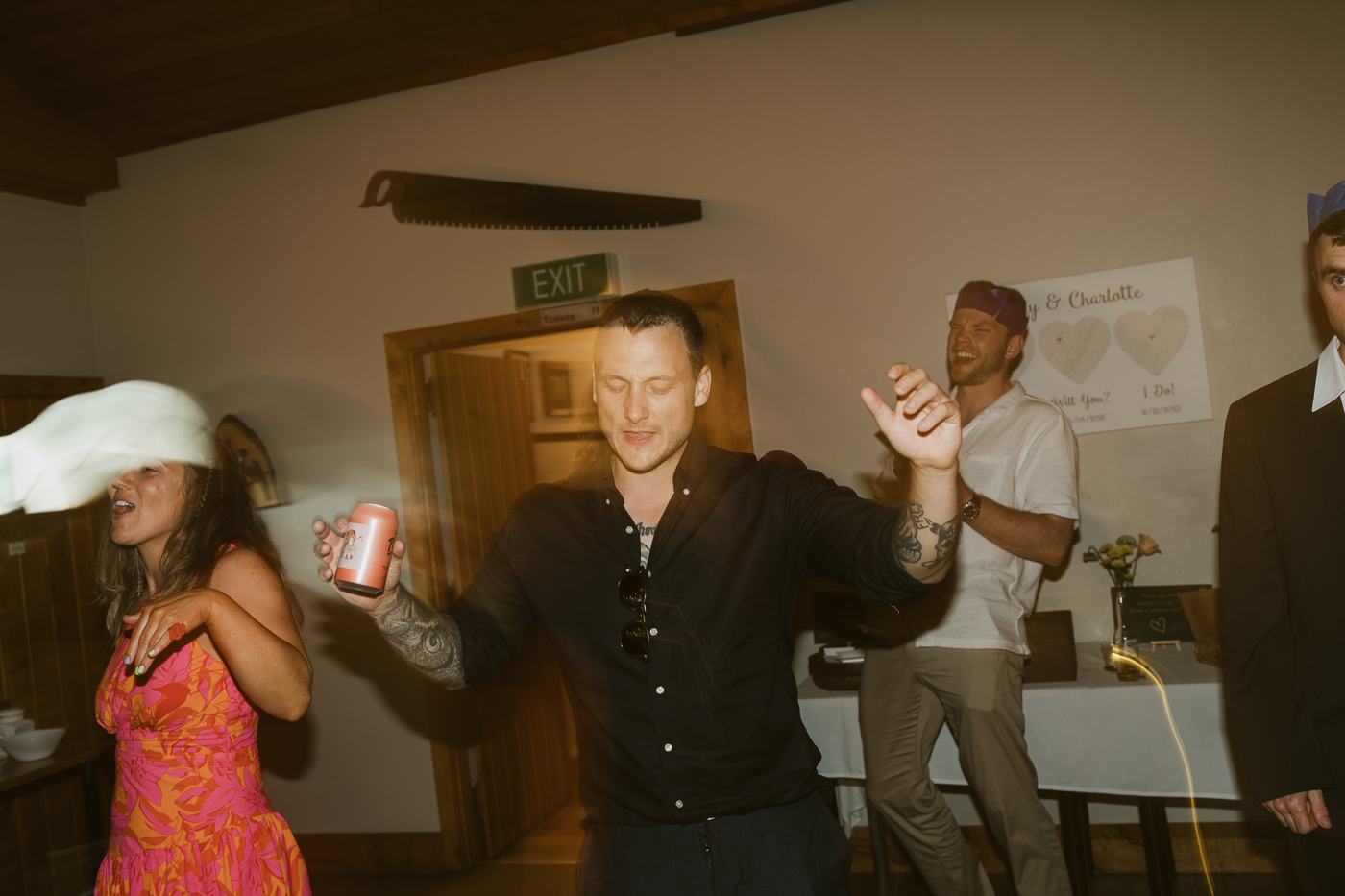
The same questions help on both days. Who are the people you will want photographed together? Which relationships deserve extra attention? Is there a part of the day that matters more to your family than it would to an outsider? A banquet should not feel like a generic event booking, and the answers you give for the ceremony day are what stop it feeling that way.
When one long day is the better call
Not every family should split. If both parts are modest, a small tea ceremony followed by a dinner of modest size, at the same venue or one close by, one long day can work well. There is no overseas travel forcing a gap, and no date constraint pushing the two apart. In that case, paying for two bookings means paying for a structure you do not need.
A split earns its cost when the banquet is big enough to be its own event, when something forces the dates apart (venue availability, travel windows, an auspicious date), or when the family wants the ceremony to be unhurried. If none of those applies, ask whether a single, well-planned long day would do the same job, and ask the photographer what hours they would suggest.
If you are unsure, sketch the combined day on paper hour by hour and see whether it holds together. If it does not, that is your answer.
What to ask, and what to tell them
Questions to ask any studio before you book two days:
- How do you book and price two dates, separately or as one package?
- Are the galleries delivered separately or together, and how is the delivery time counted?
- Will the same photographer cover both days?
- How do you match the edit across daylight and function-room light?
- Can you visit the banquet room, or see its layout, before the day?
- Do you offer a second photographer, and is it worth having for a banquet this size? (Ask any studio whether it offers one. The article on whether you need a second shooter covers the trade-offs.)
Things to tell the photographer about your families:
- Which customs are happening, in what order, and which are private.
- The names of the elders and anyone who must be in a photograph together.
- Terms your family uses. If you say qun kua (an embroidered, usually red and gold two-piece outfit worn in many Cantonese families) or xi service, explain them, because the photographer should hear the family’s own name for it. There is more on outfit changes.
- Anything about the banquet that runs on a fixed clock, such as a lion dance or a licence cut-off.
- Which day is the legal ceremony, if that is part of your plan. That is a question for an authorised celebrant, so confirm the current rules with them or the official government site.
What to do next
- Write down what each day needs. List the moments you want photographed on the ceremony day and on the banquet day, and put them in order.
- Ask each studio how two dates are booked and priced, and request the quote both ways.
- Get the banquet running order from the venue, including where the stage and tables sit, and ask if a walk-through is possible.
- Read the pages on the tea ceremony, door games and large family formals so you know what to tell your photographer about each.
- Check the Chinese wedding photography guide for the wider picture, and see the investment page for how booking works.
If you are planning two days and want to know whether TZ is free on both dates, get in touch. If one is booked, you will hear that straight away; if both are free, you will hear what the two days could look like.