
Standard wedding timeline templates assume one ceremony followed by one reception. A Chinese-Western wedding often has more parts than that, and a Chinese wedding timeline in Sydney built from a one-ceremony template can run out of time before the afternoon is over.
This guide is for the couple doing the planning. It explains the parts of a dual-culture day, shows where the time goes, and builds an order of the day backwards from the banquet and the light. Traditions differ between families and between regions, so read every description here as a common pattern to check with your own relatives, never as a rule.
Quick answer: The extra hours go to the morning: tea ceremonies, door games, travel between family homes and outfit changes. Build the day backwards from the banquet start time and the golden hour, protect the morning ceremonies at full length, and let the portrait block be the part that flexes. Ten hours of coverage is what nobody regrets, and a day with this many parts is a good reason why.
On this page
- Why a one-ceremony template breaks
- The parts of the day, explained
- Where the extra hours go
- A worked example, one day, hour by hour
- Protect the morning, let the portraits flex
- When the banquet moves to its own day
- Building your own, backwards
- Questions to ask before you lock the order
- What to do next
Why a one-ceremony template breaks
A template has a single spine: getting ready, ceremony, portraits, reception. Each block is sized for one family, one venue and one set of clothes. It also assumes that the hardest scheduling constraint is the sun.
A dual-culture day has several spines running side by side. There can be two households with their own customs, a Western-style ceremony with its own guest list, and a banquet with a venue that wants guests seated at a fixed time. The sun is still a constraint, but so is the number of relatives, the distance between homes, and the fact that the bride is often in a different outfit by the end of each block.
A day like this runs late when the gaps between blocks go uncounted: the drive, the outfit change, the wait for an uncle who is parking the car. The sections below take those parts one at a time.
The parts of the day, explained
Here is each part in plain terms, with a note on what a photographer needs from you. Names and order vary, so ask your families what they plan to do.
The tea ceremony. The couple serve tea to elders in turn, usually kneeling or bowing, and the elders respond with good wishes and often gifts such as red envelopes or jewellery. It is commonly written 敬茶. The order is usually by seniority, and some families hold one ceremony for both sides while others hold one at each family home. For the photographer, the practical points are who sits where, who goes first, and whether the room is big enough to stand back and see faces. The full detail is in photographing the tea ceremony.
Door games. In some families the groom and his party must get past the bridesmaids to reach the bride, by completing challenges, answering questions or paying a toll in red envelopes. The name and the details vary from family to family and between regions, and some families skip the games entirely. If yours include them, the length is set by the people playing, not by the run sheet. There is more in how to cover door games.
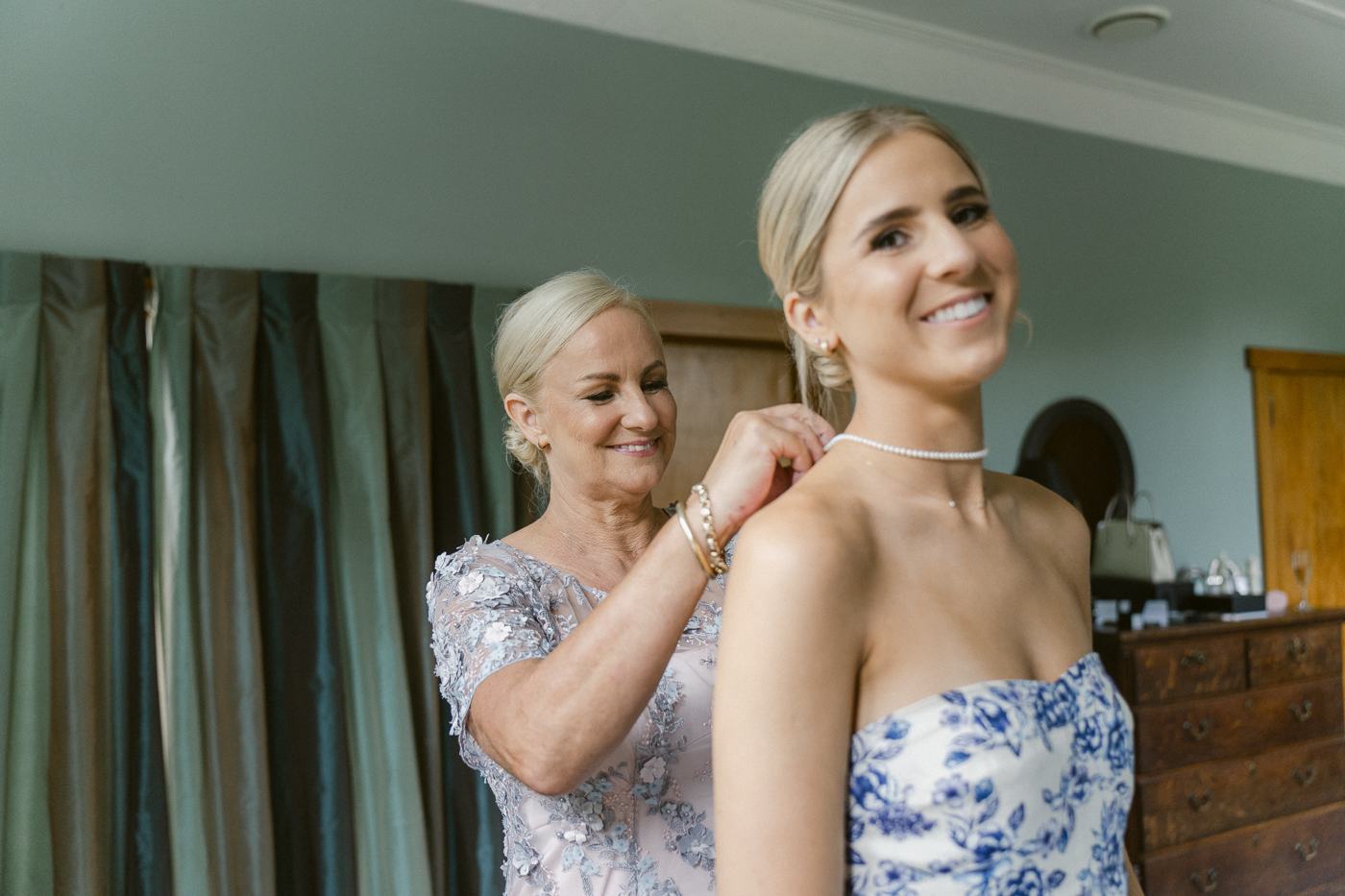
The outfit changes. A common pattern in Chinese weddings is a qun kua (an embroidered, usually red and gold two-piece outfit) for the tea ceremony, a Western gown for the ceremony, and another dress for the banquet. In Cantonese families the qun kua is a familiar choice, and other families use a qipao or another red outfit instead. Each change takes hair, jewellery and fastenings, so the time depends on the outfit and the people helping. See planning outfit changes.
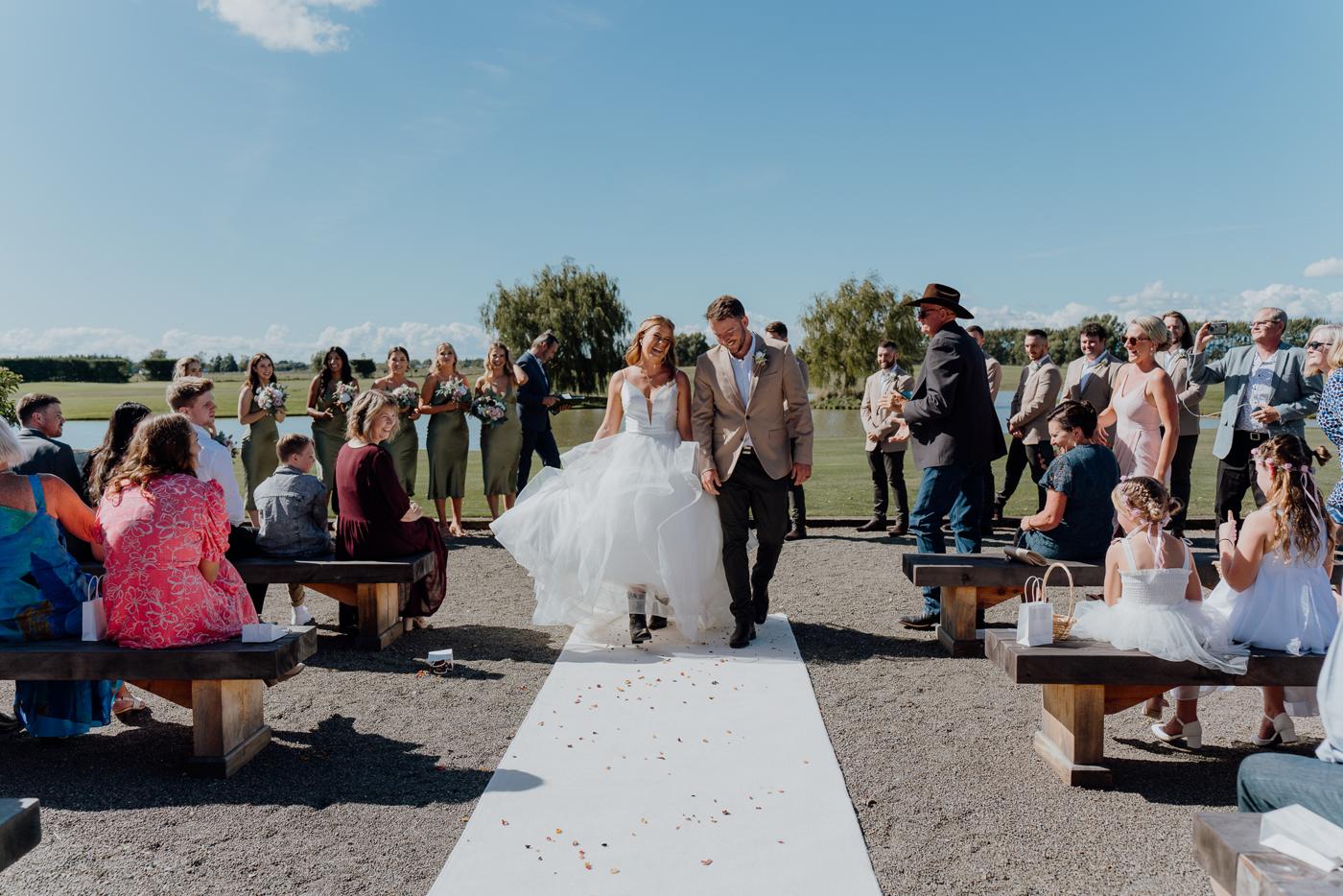
The Western-style ceremony. This is the part a standard template already handles: guests seated, processional, vows, rings, signing, and the walk back up the aisle. Some couples hold it at a different venue from the tea ceremony, which adds a drive and a second set of access rules.
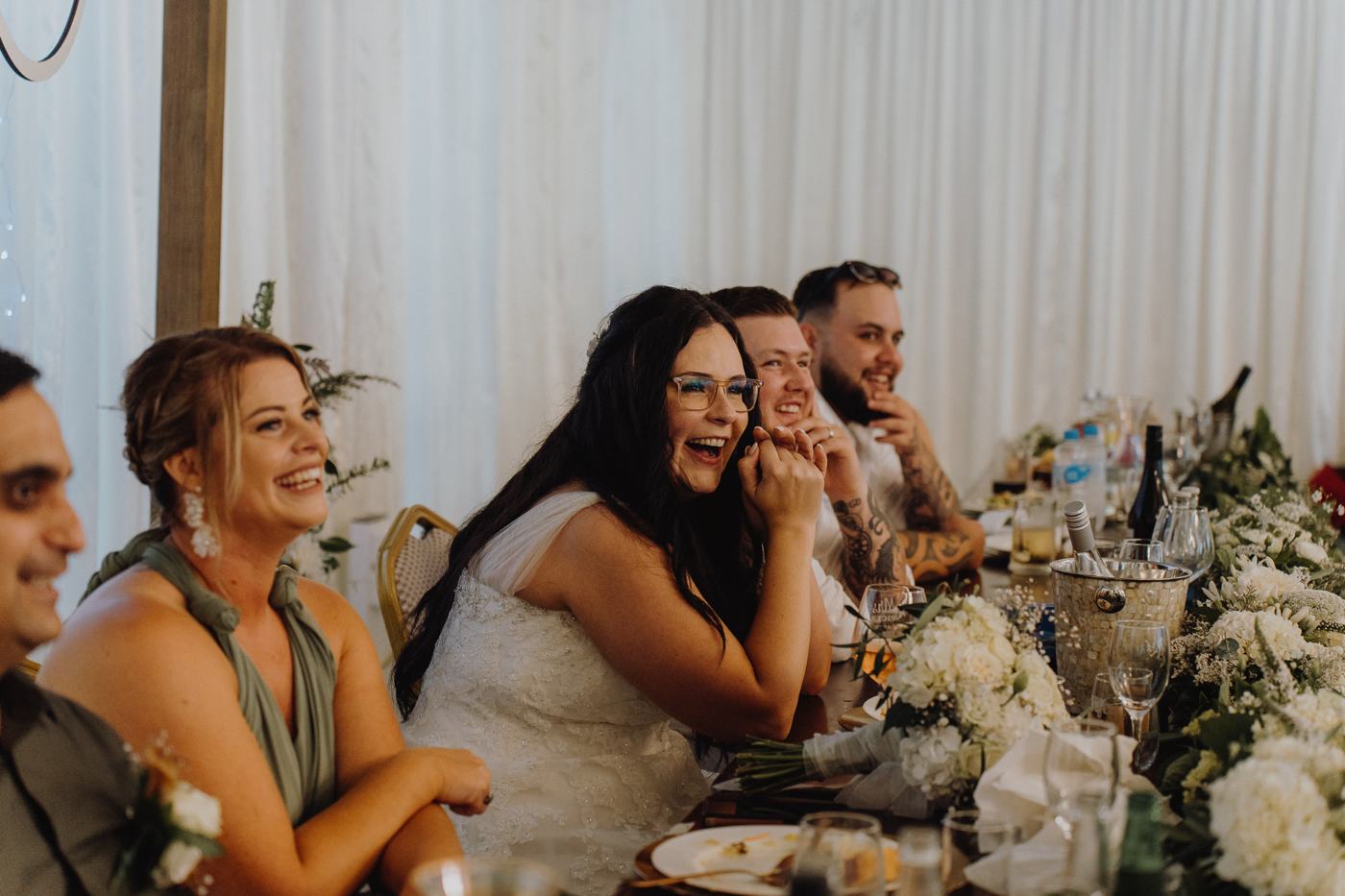
The banquet. A multi-course dinner with family at tables, speeches, and usually some form of toast. The banquet is often the longest single block of the day, and the venue is usually the firmest of all the constraints, so it becomes the anchor of the schedule.
Where the extra hours go
Time disappears in six places. None of them is dramatic. They add up because they all happen before the Western ceremony.
Travel between homes. If the two families live in different parts of Sydney, the drive is a real block, and it is longer on a Saturday morning than on a quiet weekday. Add the time to park, walk in, greet relatives and find the right room. A photographer cannot be in two houses at once, so travel also decides whether one person can cover both ceremonies back to back.
Waiting for people. A tea ceremony only starts when the elders are present and seated. With more relatives, there are more people to gather, more introductions and more photographs of each exchange between the couple and an elder.
Door games. They are a negotiation between two groups who are enjoying themselves. The ending comes when the bridesmaids decide it does, so a fixed slot in a schedule is a guess.
Outfit changes. Time per change depends on the outfit, the hair and the helpers. Ask your hair and makeup artist how long they need for each look, then add some time for fastenings, jewellery and photographs of the garment itself.
Eating and recovery. People who have been up since early in the morning, kneeling, standing and being photographed need to sit down and eat. A short pause before the next block protects everything after it. Without one, people arrive at the ceremony tired and flat.
The gaps. Between any two blocks there is a handover: pack up, move, set up again, find the next group. These gaps are rarely on a run sheet, and they are where a timeline built from round numbers drifts late.
If you want to see how much light is left at the end of all that, Sydney golden hour by month has the table for the whole year.
A worked example, one day, hour by hour
This is one made-up scenario, so every size below is an assumption you should replace with your own. Say your wedding is in mid September, in Sydney, with both tea ceremonies at separate family homes, door games before the first tea ceremony, a Western ceremony at 3:00pm and a banquet that begins at 6:30pm.
For that date the light data for Sydney CBD gives golden hour starting at 5:13pm, sunset at 5:46pm and civil dusk (the end of usable light) at 6:11pm. That is 33 minutes of golden light, and it falls before the banquet starts. The rest of the day has to be built around it.
| Time | Block | Why it sits here |
|---|---|---|
| 6:00am | Bride’s hair and makeup begins | The tea ceremony look has to be ready first |
| 8:30am | Groom’s party leaves for the bride’s home | Assumes a drive across the city |
| 9:15am | Door games | Assumed to run for as long as the bridesmaids choose |
| 10:15am | Tea ceremony at the bride’s family home | Elders are already gathered |
| 11:15am | Travel to the groom’s family home | Another drive, with a stop for the bride’s outfit |
| 12:00pm | Tea ceremony at the groom’s family home | The second set of elders |
| 12:45pm | Extended family photographs | Everyone is already in one place |
| 1:15pm | Lunch, outfit change to the Western gown, travel | The block most often forgotten |
| 2:30pm | Guests seated at the ceremony venue | A buffer before the start |
| 3:00pm | Western ceremony | Fixed by the celebrant and the venue |
| 3:45pm | Congratulations and family groups | Size assumed |
| 4:30pm | Cocktail hour for guests, couple rests | A pause before the best light |
| 5:05pm | Couple leaves for portraits | Golden hour begins at 5:13pm |
| 5:46pm | Sunset | The warmest light is nearly gone |
| 5:55pm | Back inside, final outfit change | The banquet needs a different look |
| 6:11pm | Civil dusk | The end of usable outdoor light, so any outdoor portraits must be done |
| 6:30pm | Banquet begins | Fixed by the venue |
By simple arithmetic, that is a day of twelve and a half hours from the first hair appointment to the banquet doors, before a single speech. Photography hours count from when your photographer starts, not from when the day starts, so decide which parts the hours need to cover. The hours you book move the price, so the investment page is the place to see how that works.
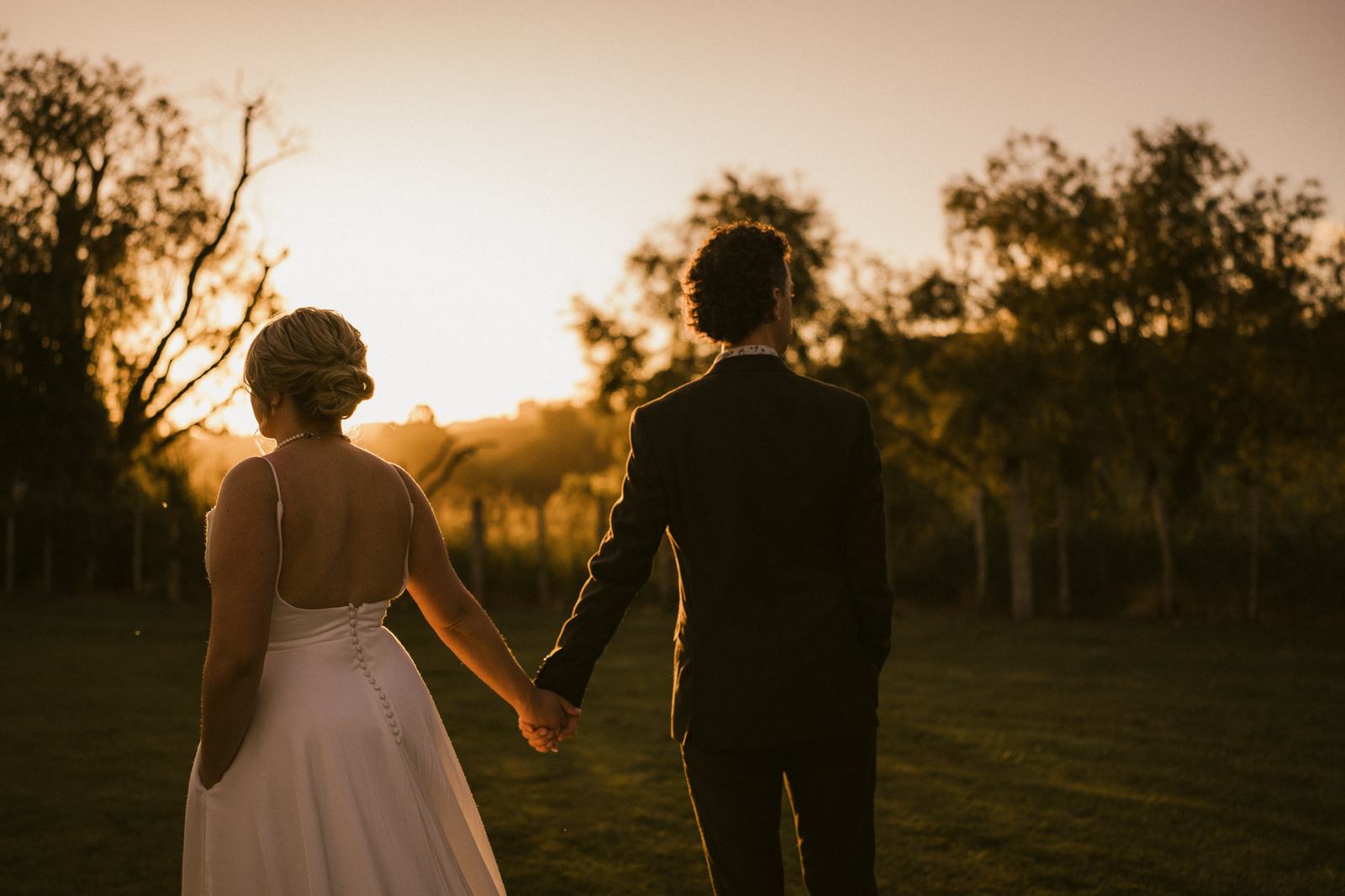
The table treats the portraits differently from the rest. They are not slotted in wherever there is space. They get the one window the sun offers, and everything before it is arranged so that the couple walk into that window rested and dressed. Move the ceremony or the banquet by an hour, and the portrait window moves to a different place on the clock. That is the reason the date matters more than a round number.
Protect the morning, let the portraits flex
If time gets tight, something has to give. A useful rule is to cut what can be re-made and protect what cannot.
The tea ceremony happens once, with the elders present, in a room full of people who may not all be together again that day. The door games happen once, with a group of friends who planned them. Both depend on the people involved, so neither can be repeated for the camera later.
Portraits can be shortened, rearranged or done in a different spot, because the couple can walk five minutes and make another picture. A rushed tea ceremony shows in the gallery as rushed. A short portrait block mostly shows as a smaller set of portraits.
So the practical decision is this: set your tea ceremony and door games at full length at the front of the day, and ask your photographer which portraits they most want and which they would trade away. The answer helps you set priorities before the pressure of the day arrives.
When the banquet moves to its own day
Some families split the day in two. The tea ceremony and a smaller Western-style event happen on one day, and a large banquet happens on another. This is a legitimate way to plan the wedding, because it lets each part have the room it needs.
The reasons to consider it are practical. The family morning no longer competes with a venue deadline. Fewer outfit changes fall into one day. Portraits can use the best light on each day. And nobody arrives at the banquet after a whole day of being photographed and dressed.
The cost is the second day. You will need a venue, a date that works for both families, and coverage for each day, so check how a studio quotes for two days before you decide. The investment page explains how hours, film and where you marry move the price. For how coverage differs between the two days, see banquet and ceremony on separate days.
Building your own, backwards
Start from the thing that cannot move and work back to the thing that can.
- Fix the banquet start time. The venue sets it, and it sets everything after it.
- Write down sunset and civil dusk for your date. Use the table linked above for the right month, and remember that a venue facing west can lose usable light earlier than the figures for the CBD.
- Place the portrait window against the light. Golden hour in Sydney lasts 33 to 38 minutes depending on the date, so choose where the couple will be at its start.
- Place the Western ceremony far enough before the portraits that there is time for congratulations, family groups and a real rest, not a hopeful one.
- Add the outfit change and travel before the ceremony. Ask your stylist for their real number, then add a buffer.
- Put the tea ceremonies and door games at the front, and leave room around each so they can run long without pushing the afternoon.
- Add travel time between every pair of locations, using a weekend-morning drive rather than a quiet-road estimate.
Last, check the total. If the day is longer than the hours you can book, decide which block is least important to cover rather than squeezing all of them. You could keep one tea ceremony private and covered by a relative’s phone, or drop a block entirely. That is your call.
Questions to ask before you lock the order
These are worth asking, in this order, because each answer feeds the next.
Your families:
- Which elders will take part in the tea ceremony, and in what order?
- Are door games planned, and who is organising them?
- Which outfits will the bride and groom wear, and how many changes are there?
- Is there a person who can gather relatives for the family photographs?
Your photographer:
- Can one person cover both homes, or would you need a second photographer? (Ask any studio whether it offers one, as not every studio does.)
- How do they handle a block that runs long?
- Which parts of a day like this would they protect, and which would they suggest trimming?
- Is film being added, and if so how is it planned alongside the photography? Photography and film are planned together at TZ Wedding Studios.
Your venues:
- When can the photographer enter each space, and when must everyone leave?
- Is there a quiet room for outfit changes?
- When do guests need to be seated for the banquet?
If you are comparing studios, your day shows the order of the day alongside the light planner.
What to do next
- Ask both families what they plan to do, and write down which parts happen, in what order and at which address.
- Fix the banquet start time and your date, then look up sunset for that month in the golden hour table.
- Ask your hair and makeup artist how long each look takes, and ask your stylist about the outfit changes.
- Read the pieces that match your day: the Chinese wedding photography guide for the overview, and the tea ceremony and door games notes if both apply.
- Check how a studio quotes for your hours, on the investment page, before you settle on the structure.
Planning a day with more than one ceremony? Check your date and you will hear straight away whether it is free, and what the day could look like if it is.