Couples ask how many photos a wedding photographer takes as though it were a number printed on a package. It comes out of the hours you book and what happens inside them, and the relationship between the two is not a straight line.
This page explains where the frames come from, why some hours produce far more usable photographs than others, and how to choose between six, eight and ten hours without paying for coverage you will never look at.
Quick answer: At least 300 edited, high-resolution photographs come with every booking, and the count grows with the hours. Six hours usually ends before the speeches, eight is what most couples choose, and ten is what nobody regrets. The jump from six to eight changes the story of the day. The jump from eight to ten adds to a story that is already told.
On this page
- Raw frames and finished photos are different numbers
- What each coverage length covers
- Why the hours are not equal
- Where frames are shot and where keepers come from
- An example day, March, at three lengths
- Why more frames is not the goal
- Choosing your hours
- Questions to ask before you book hours
- What to do next
Raw frames and finished photos are different numbers
Two numbers get mixed up in this conversation, and they answer different questions.
Raw frames are everything the camera records. A burst of a laugh, three versions of a group shot, a test exposure when the light changes, a frame with a blink. The raw count says how much was shot. It says very little about how much you will enjoy.
Edited photographs are what you receive: chosen, corrected and finished by hand. Every TZ booking includes at least 300 edited high-resolution photographs, and the number rises with the hours. That is the figure to compare between photographers, because it is the one you will live with.
A raw count on its own tells you almost nothing. A photographer who shoots in long bursts and one who waits for a single frame can end the day with very different raw totals and a similar finished gallery. For a sense of scale, Binh’s first wedding, a two-day Cambodian wedding in 2010, came to 6,500 frames. That figure covers two days, so it is a reminder that frame totals follow the length and pace of the event rather than a package size.
If you want the full picture of how a raw pile becomes a gallery, how many photos you will receive and why the rest don’t make it goes through the culling in detail. This article stays on the other half: what the hours themselves buy.
What each coverage length covers
Coverage is counted in hours from the moment the photographer starts to the moment they stop, so where the start sits in getting ready is worth agreeing in advance. What fits inside depends on where your ceremony sits in the day. As a rough shape, with every row depending on the day:
| Coverage | What it usually reaches | What usually falls outside |
|---|---|---|
| 6 hours | Part of getting ready, the ceremony, family formals, couple portraits, the arrival at the reception | The speeches, the first dance on some days, the open dance floor, the send-off |
| 8 hours | Getting ready, the ceremony, formals, portraits, the light late in the day, speeches, the first dance | The late dance floor and the send-off on a long reception |
| 10 hours | All of the above, plus open dancing, the late reception and the send-off | Very little |
The words “usually” and “on some days” are doing honest work in that table. A 60-guest garden wedding where everything happens in one place and the schedule is tight covers more in six hours than a 200-guest wedding with travel between ceremony and reception covers in eight. Hours buy time, not a fixed list of events. The sensible way to read the table is to ask what your own day looks like and see where the line falls.
Why the hours are not equal
Each hour does a different job, which is why a per-hour price comparison misleads.
The hours around the ceremony do a lot of work per minute. There is no second take of a first kiss or a walk down the aisle, so whatever happens in that window is either captured or gone. Portraits and formals are deliberate, which means there is less waste in them too.
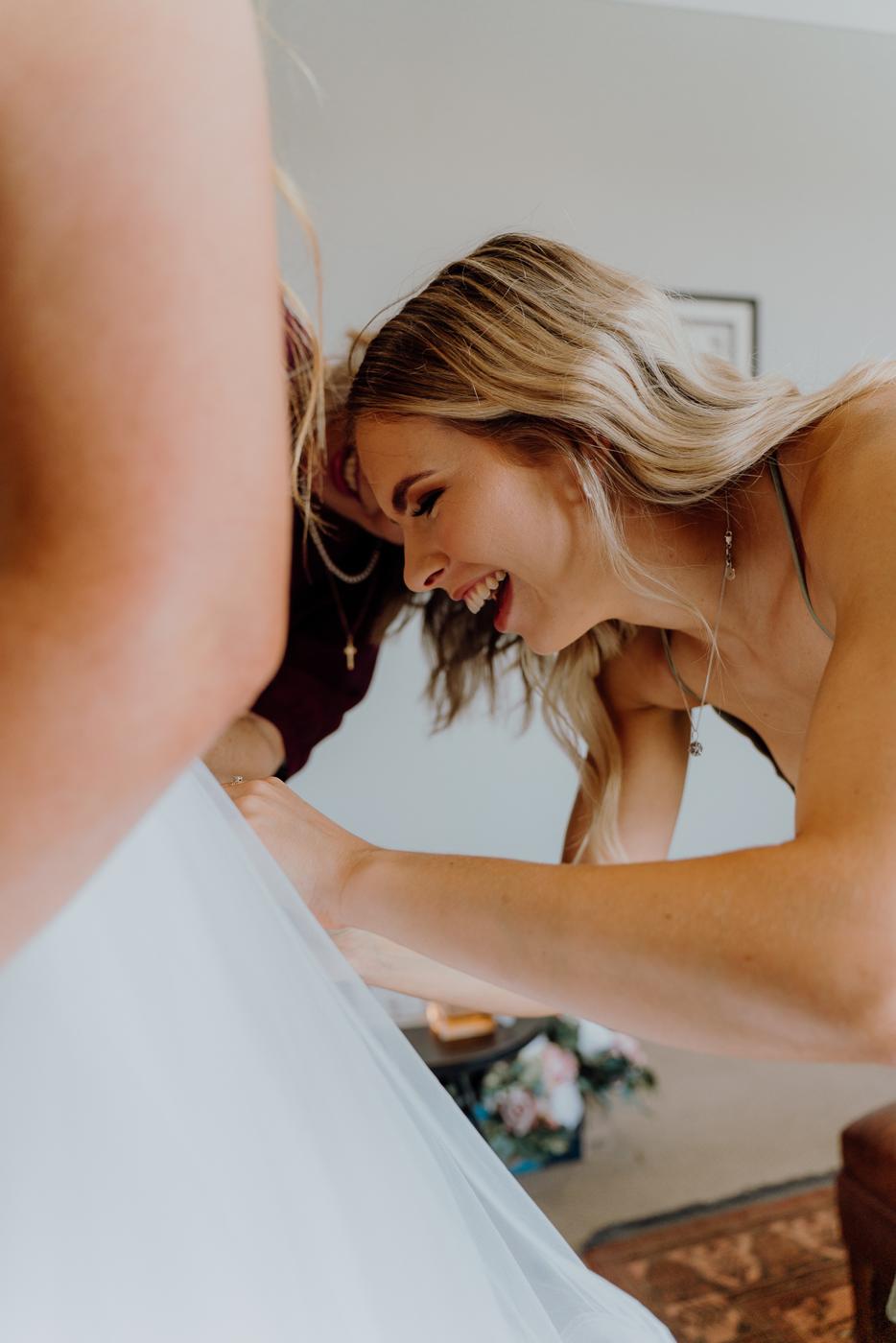
Getting ready is the reverse in one respect. It can take a lot of clock time and produce less than its share, because so much of it repeats: the same hands on the same buttons, the same mirror. That is no reason to skip it, since some of the most personal photographs of the day come from the room where nobody is performing. It is a reason to book it in proportion rather than starting coverage long before anything is happening.
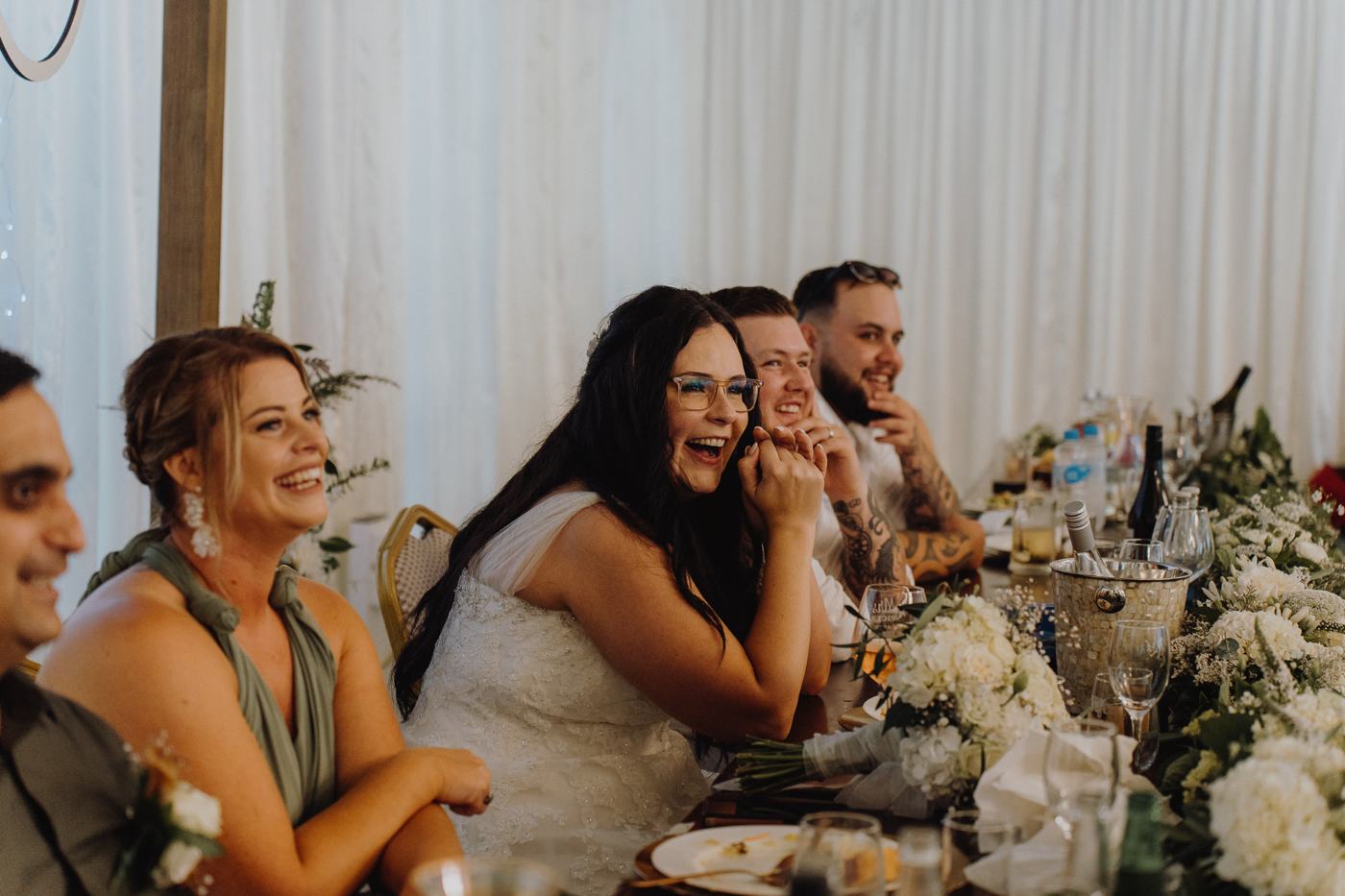
Then comes the part that decides between six and eight hours. A six-hour booking that starts before the ceremony runs out soon after the reception begins. The speeches usually sit just past that line, and the dance floor has not warmed up either, because coverage ends while people are still finding their seats.
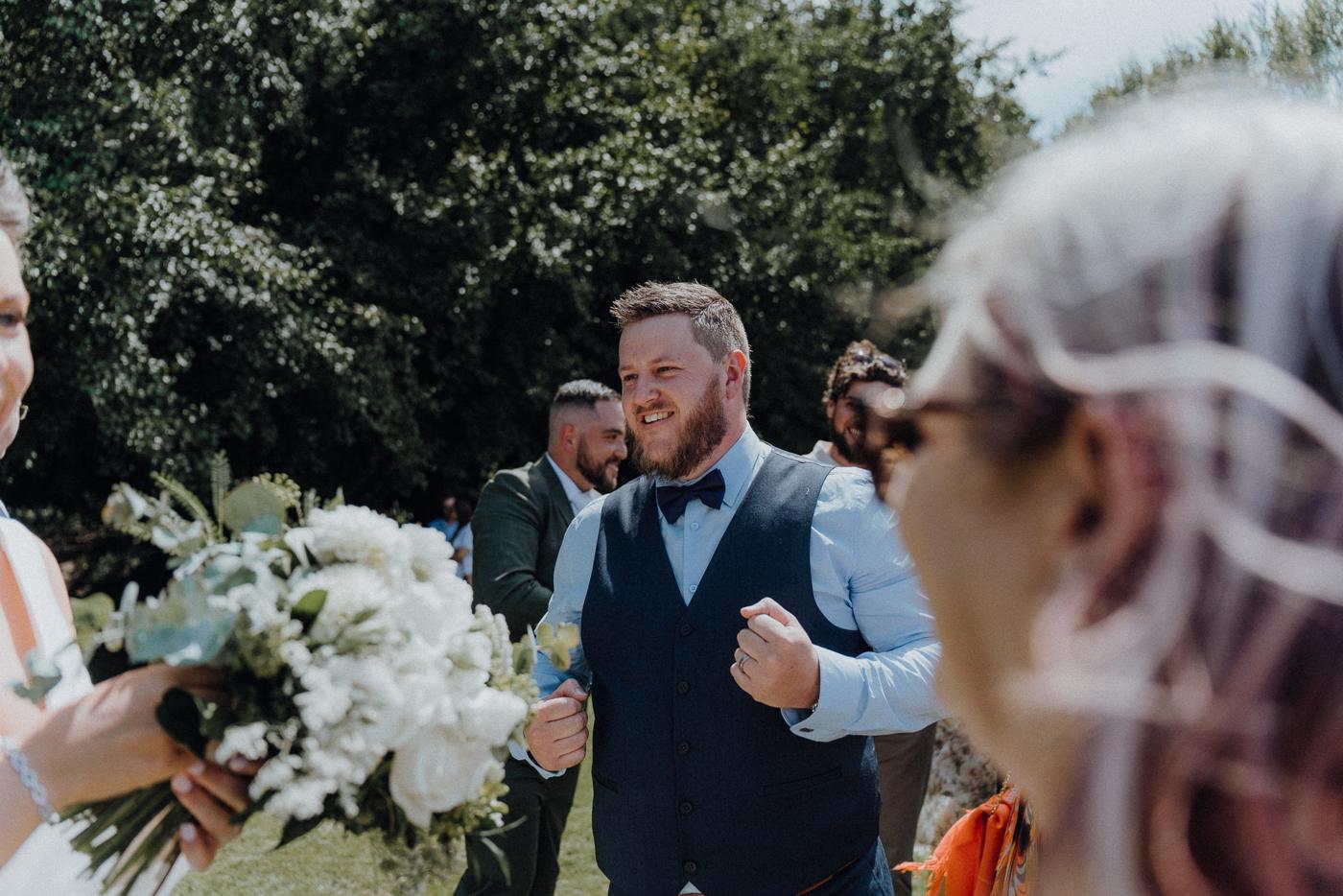
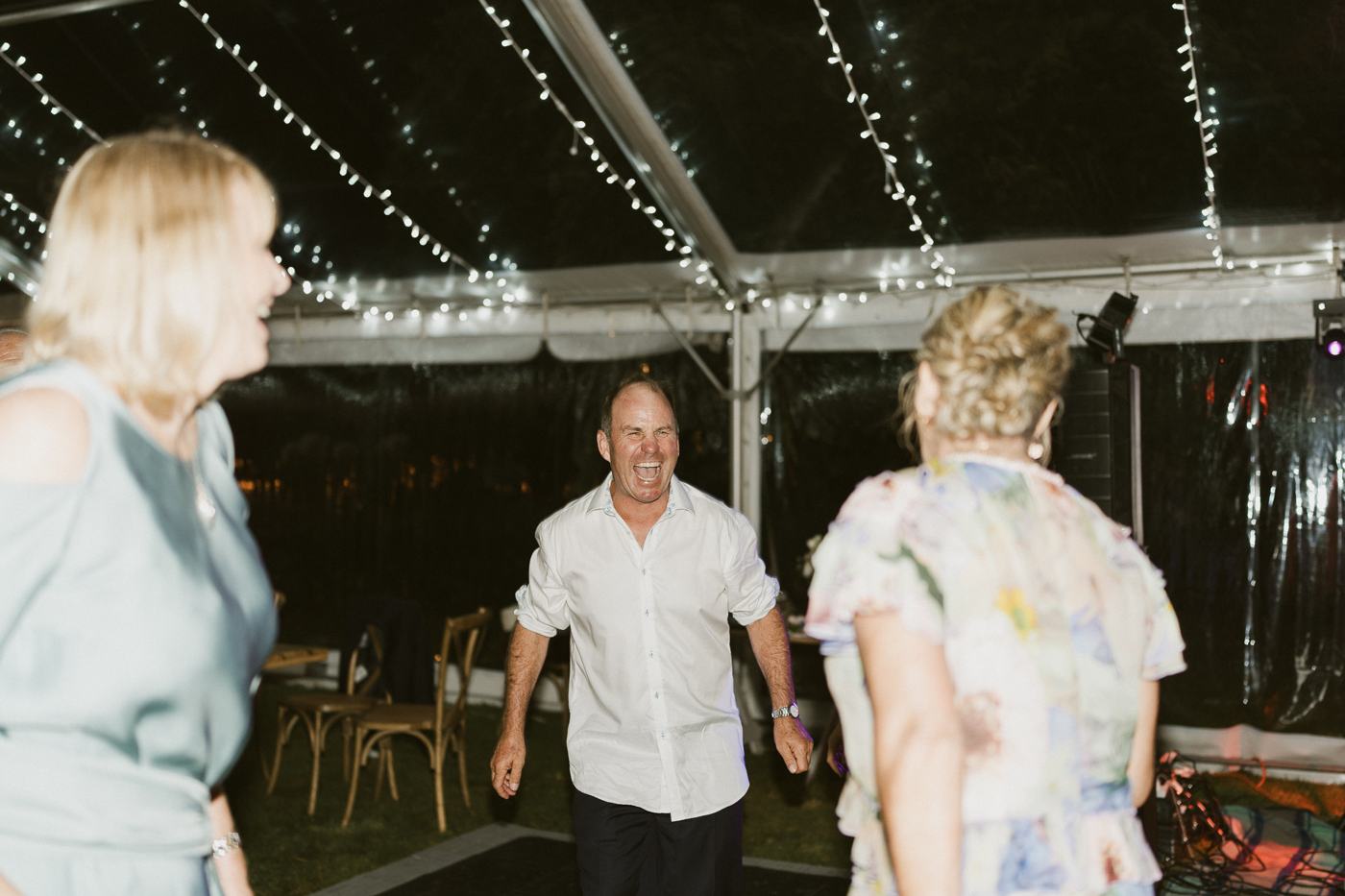
Going from six to eight can decide whether you have the speeches at all, and whether you have the first dance or the later moment when the whole room is dancing badly and enjoying it. Going from eight to ten is real, and it is smaller. It adds to a day whose arc is already on the card.
Where frames are shot and where keepers come from
The part of the day that produces the most raw frames is not the part that produces the most finished photographs. Knowing the difference stops you from judging coverage by volume.
The reception tends to be the biggest pile of raw frames with the smallest proportion of keepers. The cause is physical. Light is low and often mixed, with warm lamps, coloured fixtures and a single flash. People move fast and mid-expression. To catch the half second where a face, a gesture and the light all agree, a photographer shoots in bursts, and most of a burst has to go so the one good frame can be found. A big raw count from a reception is the sign of a difficult place to shoot, not of a bonus.
Formal portraits sit at the other end. A group shot is arranged, checked and taken a few times, so most of what is shot is usable. Formals are driven by the people who need to be in them, not by the clock, so they do not grow with a longer booking.
Getting ready and the ceremony sit in between. Their raw count follows the length of the event more than the number of guests. Guest count shows up in formals, where every extra relative is another combination, and in the reception, where more people mean more moments.
A fine-art approach changes the maths again. Quiet moments, a stillness between two people or a bride alone at a window, are shot slowly and sparingly. The loud moments, such as a first dance or a speech that turns, call for quick hands.
An example day, March, at three lengths
Here is a worked example with every assumption stated, so you can swap in your own numbers.
Say your ceremony is at 3pm on 15 March 2027 in Sydney. Daylight saving is still running, so the clocks read AEDT. For that date the light data gives sunset at 7:14pm, golden hour starting at 6:41pm (about 33 minutes of it) and civil dusk, where usable light ends, at 7:39pm.
The start and finish times below are assumptions for the example, not a rule:
| Booking | Assumed window | What the window reaches |
|---|---|---|
| 6 hours | 1pm to 7pm | The ceremony, formals and portraits. The window closes about 19 minutes after golden hour begins, so the best light is mostly missed, and the reception is only just starting |
| 8 hours | 12pm to 8pm | A little of getting ready, the ceremony, formals, portraits, the full golden hour, the speeches and the first dance, if the reception runs to a normal order |
| 10 hours | 11am to 9pm | An extra hour of getting ready, everything above, then the evening after 8pm, which is after dusk, for the dance floor and a send-off |
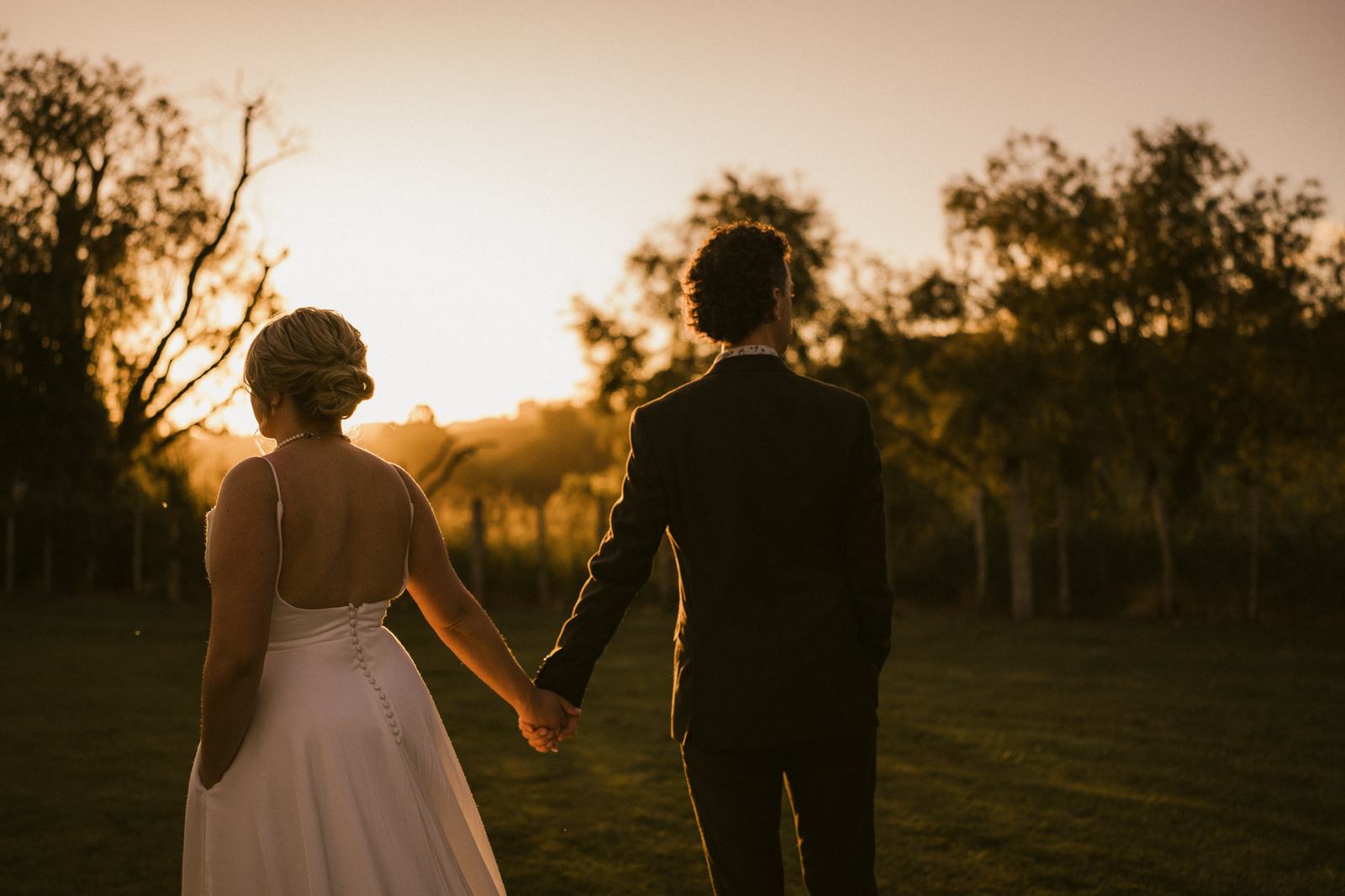
Two things stand out when you set the day against the sky. First, the six-hour window ends right where the light gets good. If golden hour portraits matter to you, the question is not only how many hours to book but where those hours sit. A six-hour booking shifted to 3pm to 9pm covers the golden hour and the dusk instead of the hours before the ceremony, which is a different trade and worth deciding on purpose.
Second, of the extra two hours from eight to ten in this example, one comes before the day gets going and one lands after dusk. The late hour is a dance-floor hour, under indoor lighting. That is a reasonable thing to want, and it is a different thing from the golden hour portraits. The golden hour table by month shows how the same booking shifts across the year.
Why more frames is not the goal
Ten hours is easy to sell and not always right. If your reception is thirty guests, finishes early and has no organised dancing, ten hours mostly buys a photographer watching a party wind down. Ten is what nobody regrets when there is a late reception worth covering. When there is not, the extra hours have little to cover.
The opposite mistake is more expensive in feeling than in dollars. Six hours is a sensible budget option for a short day, and it is the right length for some weddings. The risk is that it gets chosen to meet a price, and the speeches and the first dance sit just outside the booking. Hours cannot be bought back after the day.
Both mistakes come from choosing hours without looking at the programme of the day. A useful test is to write the order of events on a page, mark which ones you would be upset to have no photographs of, and see where the line falls. Anything above the line should sit inside the booking.
It also helps to remember what raw volume does not do. A higher count of raw frames does not mean a better photographer. Volume is not quality, and a pile of untouched files handed over in place of the finished set hands you the culling job you paid someone else to do.
Choosing your hours
Treat this as a set of decision rules and use the ones that match your day.
- If the speeches and the first dance matter to you, six hours is structurally short on most weddings. The lower price removes the part of the evening you are most likely to want.
- If the party is the part you care about least, six or seven hours can be exactly right. The rest is coverage you may not look at.
- If your ceremony is early afternoon and the reception runs into the night, eight hours reaches the speeches and the golden hour. Ten adds the late dancing.
- If your ceremony is late in the day, count back from the light. A 5pm ceremony in June starts after sunset (about 4:53pm to 4:54pm that month), so any portraits in daylight may have to happen before the ceremony.
- If the day has two locations and travel between them, add time for the move. Hours spent in a car are still hours on the clock.
- If you are doing a first look, it can pull portraits earlier and free time later. First look or not covers what each choice does to the day.
- If you are unsure between two lengths, pick the longer and plan a day that fills it comfortably, rather than the shorter and hoping it stretches.
Eight hours is what most couples choose. It is the one option of the three that tends to hold a whole day without padding the end or cutting something to fit, though it is a default, not a rule. A small elopement or a short ceremony and lunch can be photographed well in far fewer hours, and a multi-part celebration can need more than ten.
Questions to ask before you book hours
Hours are only half of a quote. The rest is what is attached to them. These questions put different studios on the same footing:
- What is the minimum number of edited photographs for each length? At TZ the answer is at least 300, depending on hours. Another studio’s answer may be a different number, or none.
- Does the booking start at the photographer’s arrival or at a set time? Travel and setup can quietly eat the hours.
- Can extra hours be added on the day? Some studios allow it and some do not, and whether it is possible can depend on what else is booked after you. Booking slightly long beats hoping.
- Is a second photographer available, and does it change the finished count? Ask any studio whether it offers one. A second angle on the same moment tends to add raw frames faster than it adds distinct finished photographs, because the two views overlap. Do you need a second shooter goes through the trade.
- Are the raw files delivered, or only the edited set? Be sure you know before you compare packages.
- How long until the gallery arrives? Delivery here is four to ten working weeks. How long until you get your photos explains what happens in that window.
- What is in the package besides hours? What’s in a wedding photography package lists the items worth comparing.
If the answers come back vague, that is information too.
What to do next
- Write the order of your day on one page: getting ready, ceremony, formals, portraits, reception, speeches, dancing, send-off. Put a time beside each. If you do not know them yet, a rough guess is enough to start.
- Mark the moments you would be upset to have no photographs of. Hold your coverage against that list, not against a package name.
- Check the light for your date. Use the light planner on the your-day page and the golden hour table to see where sunset falls relative to your window.
- Compare what each hours option includes, using the questions above, and see how booking and pricing work. Photography starts from $4,000, and hours, film and where you marry move the price from there.
- Book early if the date matters. Most couples book 12 to 18 months ahead, and the deposit holds your date while other couples are turned away.
Not sure which length fits? Tell Binh the shape of your day and check your date. If the date is free you will hear what the day could look like, and if it is booked you will be told straight away.