
Two couples can ask for a Sydney wedding photography quote in the same week and receive numbers that sit far apart. The gap is usually made of a handful of decisions, and every one of them has real hours of work behind it.
This article takes a quote apart line by line. You will see what each line is made of, which ones move the total furthest, which ones do nothing at all, and how to work out your own number before you ask anyone for it.
Quick answer: A Sydney wedding photography quote is driven mainly by the hours of coverage, where you marry, whether you add film, and the extras that carry their own editing or production work. At TZ Wedding Studios photography starts from $4,000, and hours, film and location move the price from there. Tick only what you will actually use, and you can get a good idea of your number before you ask anyone for it.
On this page
- What a quote is made of
- Hours are the line to settle first
- Where you marry changes the number
- Film is its own decision
- Extras that carry their own work
- Factors that may not need a price line
- Reading two quotes side by side
- Holding a number down
- What to do next
What a quote is made of
A quote looks like one number, but it is a stack of separate costs. Some happen on the day. Many happen before and after it, where nobody sees them.
| Line | What sits behind it |
|---|---|
| Hours of coverage | Time on the day, plus editing time that grows with every hour shot |
| Where you marry | Travel time, and sometimes accommodation when a venue is far from home base |
| Film | A second kind of work planned alongside the photography |
| Second photographer | Another person’s day, plus their own review and editing |
| Pre-wedding session | A separate shoot, an extra editing pass, delivered before the wedding |
| Album or prints | Design, proofing, then physical production |
| Faster delivery | Your edit moves ahead of other work in the queue |
Not every studio offers every line, and none of the lines is compulsory. A good quote lets you see which ones are in and which are out. If a quote arrives as a single figure with no breakdown, ask for the breakdown. You are entitled to understand what you are paying for.
One thing sits underneath all of these: a photographer is not paid for the hours on the day alone. Every hour photographed is an hour of choosing, correcting and finishing afterwards. That is why hours come first in the list below.
Hours are the line to settle first
Coverage hours are the line everything else hangs from. The album, the pre-wedding session and the extras are easy to picture. Hours are harder to picture, because few people know in advance how long their own wedding day really is.
Here is how the hours sit against the shape of a day. Six hours usually ends before the speeches. Eight hours is what most couples choose. Ten hours is what nobody regrets. Past the ceremony and the portraits, the rest of the day is the reception, and a reception has its own sequence: the entrance, the meal, the speeches, the first dance, the dance floor. Cutting hours does not cut the day. It cuts the end of it.
How to work out your hours
Start from the finish, not the start. Work backwards from the last moment you would want to see, and add the time before the ceremony that you want covered. Then check the total against the options.
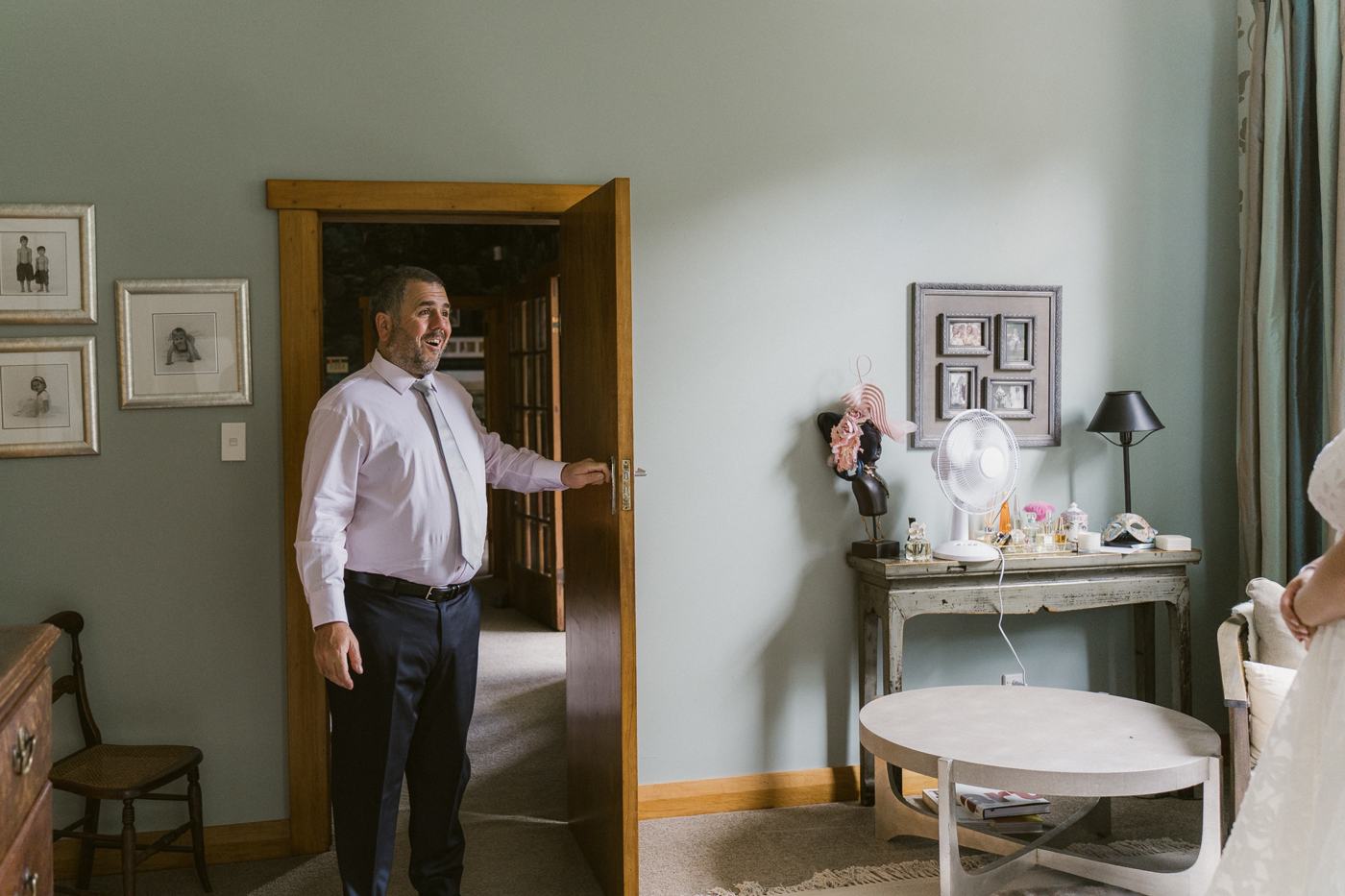
Here is a worked example, clearly an assumption. Say your ceremony is at 2pm and you want the photographer there while the bride and groom finish getting ready, which means arriving at midday. You want the speeches, the cake and the first dance, and some of the dance floor. Counting forward from midday, an eight-hour booking ends at 8pm and a ten-hour booking ends at 10pm. The only question is which of those ends where your evening actually peaks. Your own timings will differ, but the method is the same: write down the start, write down the finish, and let the arithmetic pick the package.
Why hours cost more than they seem
Each extra hour is shooting time plus a matching slice of editing. Photography is not a task that finishes when the shutter stops. Frames are reviewed, the weak ones removed, the strong ones corrected for colour and tone, and the finished set is exported and delivered. At least 300 edited high-resolution photographs come with every wedding, depending on hours, and delivery takes four to ten working weeks. Longer days produce more to look through, so they take longer to finish.
That is also why a very cheap extra hour is a warning sign rather than a bargain. If one studio charges roughly what the others charge for six hours and offers ten, ask what has been left out. For more on how hours turn into frames, see what a 6, 8 and 10-hour day actually yields.
Where you marry changes the number
The place you marry moves a quote in two ways. The first is distance. The second is what the place demands once everyone is there.
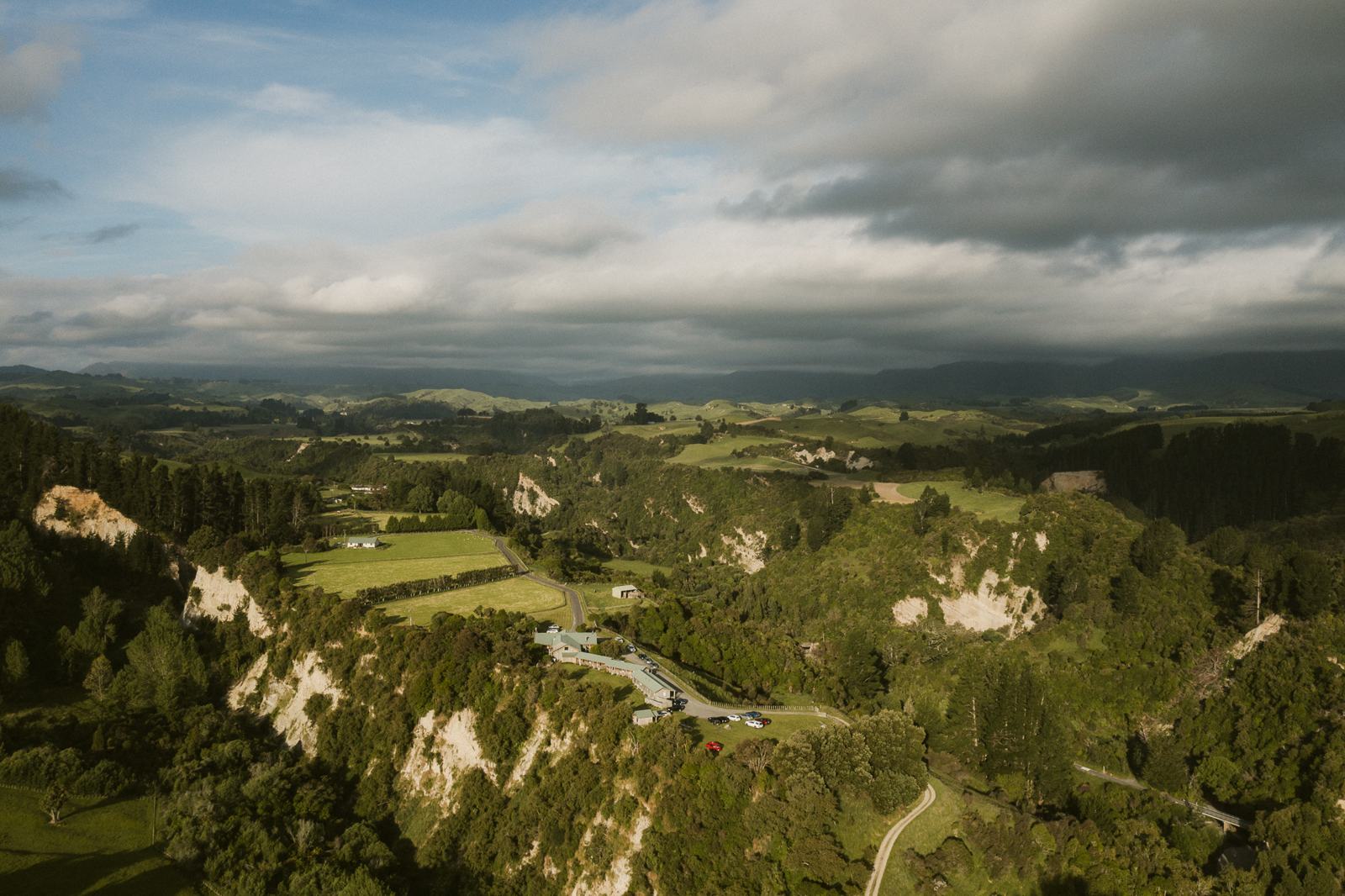
Distance is straightforward. A venue within easy reach of Sydney costs the photographer travel time and little else. A venue that is a long drive out costs a longer day, and a venue that needs an overnight stay costs accommodation as well. Sydney is home base, and coverage is Australia-wide and destination, so the useful question is what the travel adds to the quote.
The second effect is quieter. Some venues need a longer day to work properly. A ceremony in the late afternoon with a reception that runs after dark means the light fades during your portraits, and a location where the sun drops behind a ridge early can shorten the usable light. Daylight changes through the year in Sydney, so the date matters. The light planner on the your day page helps you check it.
If you are marrying overseas or interstate, ask early what is included in travel and what is billed separately. Destination weddings and elopements are offered, and the full picture is in what a destination wedding photographer costs, all in. Put the question in writing so the answer is too.
Film is its own decision
Film is one of the clearest drivers of price, because it is a different product from photography. It can be added to photography or booked alone, and the two are planned together so that they do not trip over each other on the day.
There are two ways to think about it. If you want both, the useful question is how they are planned together, not whether one discount makes up for the other. If you want only one, the useful question is what you will actually watch or look at later.
A rough decision rule helps. If you know you will rewatch speeches and vows with sound and movement, film earns its place. If you mostly look at pictures, put the money into more hours of photography. Photography, film or both: the Australian wedding budget maths works through the trade in more detail, and the films page shows what is on offer.
One caution on comparing quotes. A quote that bundles film in will look much higher than one that does not, and the two are not comparable until you strip film out of one or add it to the other. Compare like with like.
Extras that carry their own work
Beyond hours, location and film, the remaining lines are optional. Each one has work behind it, and each one is easy to over-buy or under-buy.
A pre-wedding session
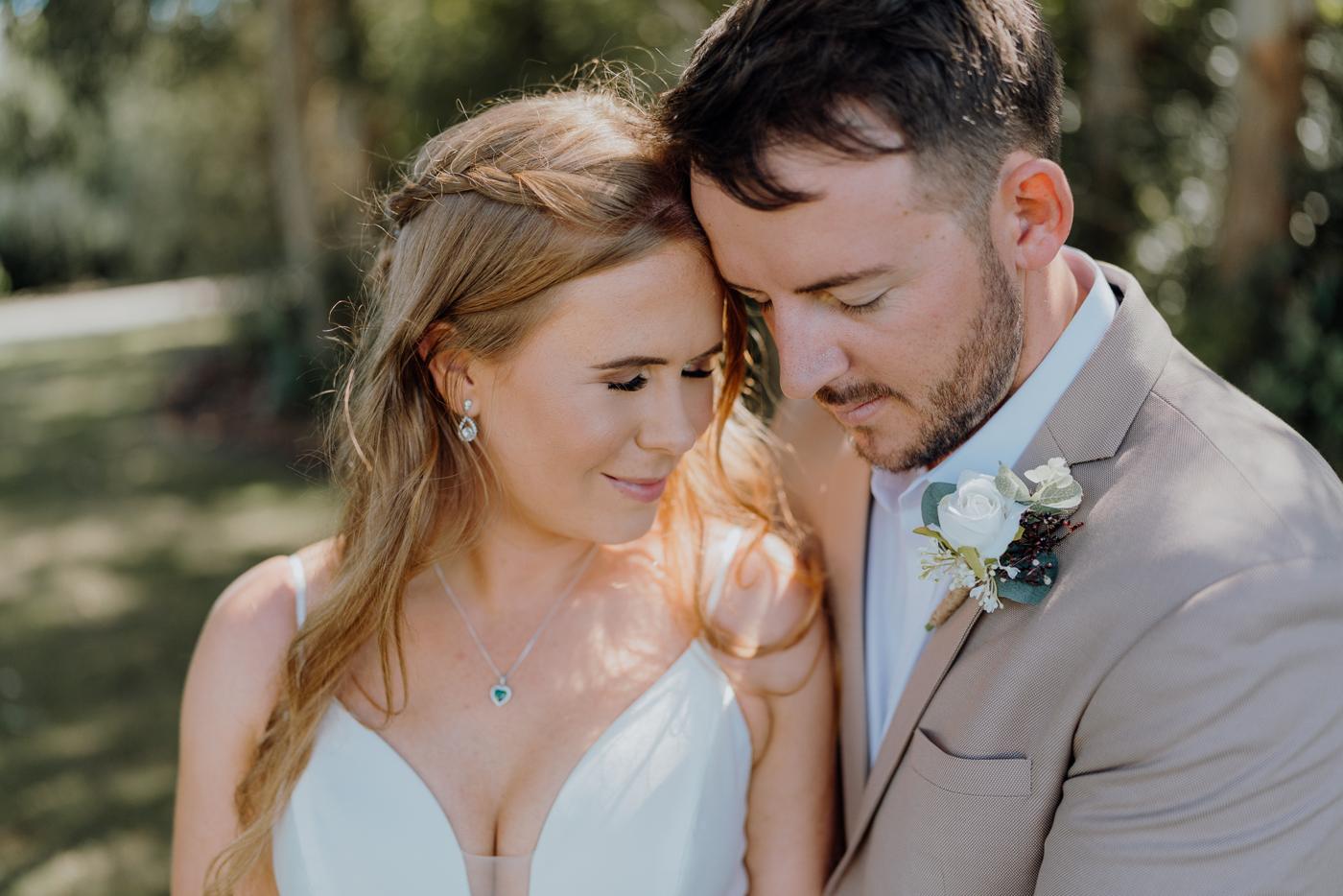
A pre-wedding session is a separate shoot with its own editing pass, and the photos can arrive before the wedding rather than after it. The session also gives camera-shy couples a rehearsal. A short shoot with no guests watching lets you find out how it feels.
Camera-shy couples are normal, and the approach is simple prompts, never over-posed, so a session can be gentle. If you hate being photographed, this line may be the one that most improves the rest of your wedding photos. If you genuinely will not do one, skip it without guilt and say so up front.
A second photographer
A second photographer adds a second pair of hands, which means two places covered at once. That matters when preparations for both partners happen at the same time, or when a ceremony and a family gathering overlap. Ask any studio whether it offers one, because not every studio does. The cost is another person’s day plus their own review and editing, so the line is genuinely a second person’s time rather than a padding fee.
The practical catch is availability, since a second photographer free on your date today may not be free later. If you want one, decide early.
An album or prints
If a studio quotes an album, the cost is design time, rounds of proofing and then physical printing and binding. That is a different kind of cost from the rest of the quote, because it does not depend on hours at all. Ask whether the album is included, optional, or added after you see the photos. The question underneath is whether you will open it. Wedding albums: worth it, or is a gallery enough? goes through the choice.
Faster delivery
Standard delivery is four to ten working weeks. A studio that offers faster than that may charge extra, because your edit moves ahead of other couples. Ask whether yours does, and what it costs, rather than assuming. If you have a reason for speed, such as a parent travelling home soon after, say so at the enquiry stage.
Factors that may not need a price line
Some factors feel as though they should raise a quote. Whether they do depends on the studio, so ask rather than assume.
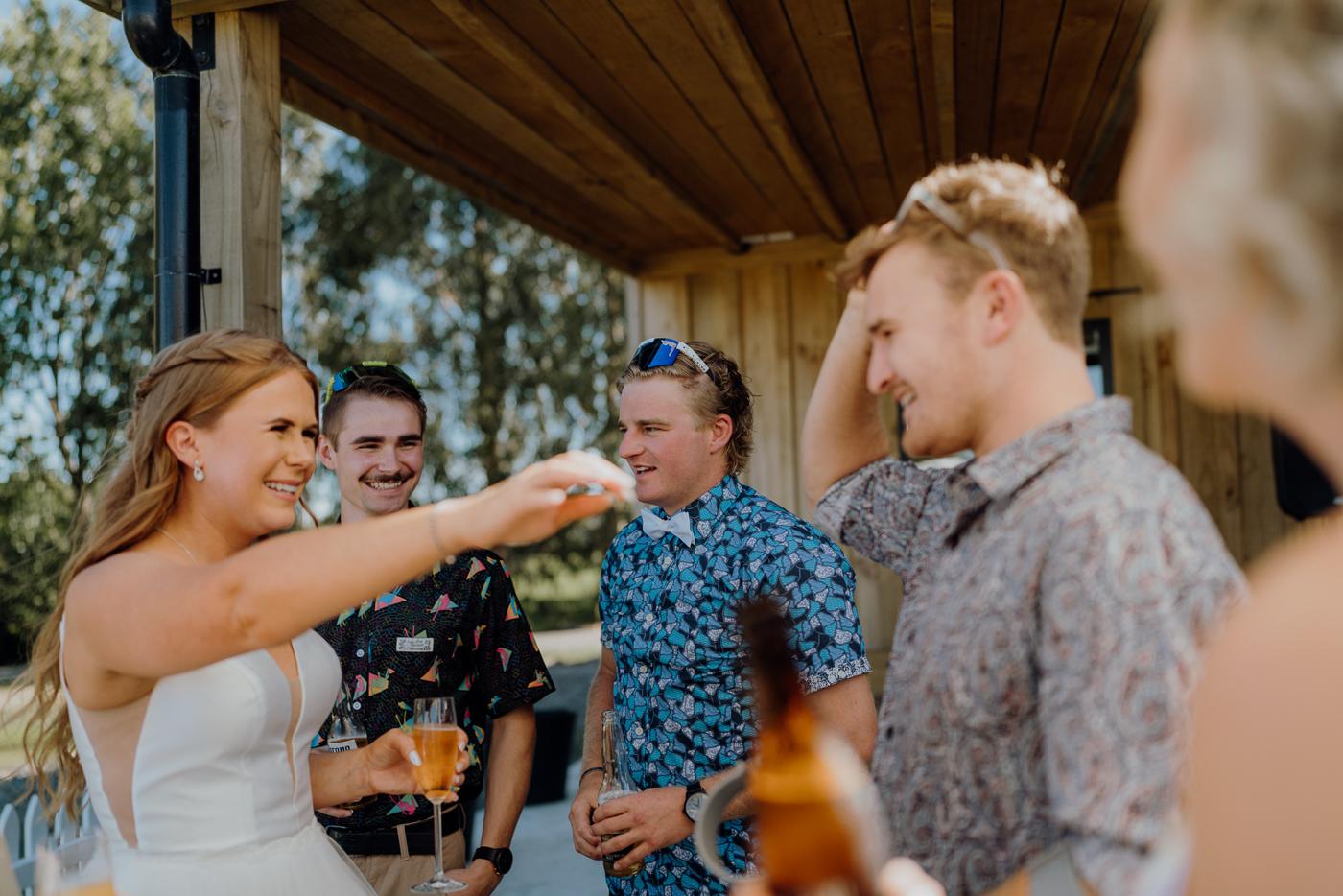
Guest count. More guests means more family combinations to organise, and more people to line up. That is time on the day, so ask your photographer how much time they need for family photos and whether the schedule leaves it.
Style. Unposed coverage can look like less work, but shooting continuously produces many frames to review, so do not assume a looser style is a cheaper one. Ask whether style changes the quote, and otherwise choose the one you like.
Reading two quotes side by side
Once you have two or more quotes, compare them on the same footing. The headline figure tells you very little until the contents match.
Lay the quotes out against this checklist, and fill in the blanks for each studio.
| Question | Why it matters |
|---|---|
| How many hours, with a start and finish time? | Different hours are different products |
| Is film included, optional or absent? | Film is a separate piece of work |
| Is a second photographer included? | Same headline, different scope |
| Is GST included in the figure? | A quote that looks cheaper may simply exclude it |
| What is delivered, and when? | Count of photographs and the delivery window |
| What are the usage rights? | Whether you can print, share and post freely |
| What happens if the photographer is unwell? | A backup plan matters more than it sounds |
| What is the deposit, and is it refundable? | At TZ the deposit is not refundable, because the date is held and other couples are turned away |
Hours and inclusions explain much of the difference between two quotes. When two studios quote the same hours and the same deliverables, the remaining gap deserves a direct question. Sometimes the answer is fine: a newer photographer building a portfolio may be pricing low on purpose, and booking them with open eyes is reasonable. Sometimes the answer is a corner cut that the quote does not mention. Ask which lines have been left out, and see whether the answer comes without hesitation.
A quote that cannot explain its own number is worth stepping back from. When a quote is too cheap: the risk signals lists what to look for.
Venue-preferred photographers
Some venues recommend a short list of photographers. A venue recommendation can reflect a good working relationship, since the photographer knows the place. It can also come with an arrangement between the venue and the photographer. Ask what is included, not just what the total is, and ask if you can choose someone else. A venue list is a starting point and never a requirement for good coverage.
Holding a number down
You may be trying to hold a number down rather than add to a package, and that is a different exercise.
The first instinct is to trim an hour. Look first at what you can decline outright. A line you were never going to use costs you nothing to drop, while the hour you cut is usually the one at the end of the night, and you cannot go back and get it.
Here is a decision rule that works as a first pass.
- If you will not do a pre-wedding session, drop it and say so early.
- If you will not open an album, drop it, or decide on it after you have seen the photos.
- If you already have a close friend who will film the speeches on a phone, you may not need film.
- If your guest list is large and your day is full, keep your hours and cut something else.
Then put what you free up into coverage hours, and put those hours at the end of the day, not the start. A reception that runs late with photography stopping early is an avoidable regret.
If you need to spread the cost, ask about timing. Payment plans, deposits and what happens if you cancel sets out how the money is usually staged.
What to do next
- Write your day down. Put a start time and a finish time on paper, and note the moments you would hate to miss. Everything else follows from those two numbers.
- Decide what you will really use. Go down the table in this article and tick only the lines you would actually open or watch. Cross the rest out.
- Ask for the quote with and without each optional line. Seeing the difference in writing beats guessing at it. The investment page shows how booking works.
- Check your light. If your ceremony is late in the day, use the order of the day and light planner before you commit to hours.
- Compare quotes on the checklist above. Same hours, same inclusions, same rights, then judge the gap.
When you are ready, tell me your date, your hours and where you are marrying and you will hear straight away whether the date is free and what the day could look like. If it is already booked, you will hear that just as plainly.