
Quotes for destination photography can land a long way apart. One studio says “just add a little for travel”. Another hands you a single large number with no explanation. Neither tells you what you are paying for, and the destination wedding photographer cost you actually face is made of parts you can see and check.
This guide takes those parts one at a time: the photography fee, then each line of travel, then the things that push the travel lines up or down. It also covers the questions that change a total before you sign, so you can compare two quotes properly rather than by the bottom line alone.
Quick answer: A destination quote is a photography fee plus travel shown as separate lines: flights, accommodation, ground transport and a buffer day only if the flights force one. Photography with Binh starts from $4,000, and hours, film and where you marry move the price from there. The travel lines are whatever flights and rooms cost on your dates, so ask to see each one rather than a single rolled-up figure.
On this page
- Two costs hiding in one number
- The line-by-line breakdown
- Keep the photography fee and the travel apart
- What moves the travel number
- The lever that moves the total most
- How to compare two destination quotes
- A fair-quote checklist
- Local photographer or one who flies in
- Marrying overseas and signing in Sydney
- What to do next
Two costs hiding in one number
When a destination quote arrives as one figure, two different things are bundled inside it. Pulling them apart is most of the work of understanding it.
The photography fee. This is coverage hours, editing and delivery. It buys the same work in Sydney as it does overseas. Six hours of coverage is six hours of coverage wherever the wedding is held. Binh’s hours guide is simple: six hours usually ends before the speeches, eight is what most couples choose, and ten is what nobody regrets. That logic holds at a destination too, and a long day with guests who have travelled in can be a day where the extra hours get used.
The travel cost. This is getting the photographer to the wedding, housing them for the trip, and covering the days spent travelling instead of shooting. It is the variable part, and the part that feels opaque when it is not spelled out.
A single “destination-inclusive” number tells you nothing about whether the travel allowance inside it is fair. Ask for it itemised. A studio that has handled destination work properly can show you the lines without fuss. If it cannot, treat that as information about the studio.
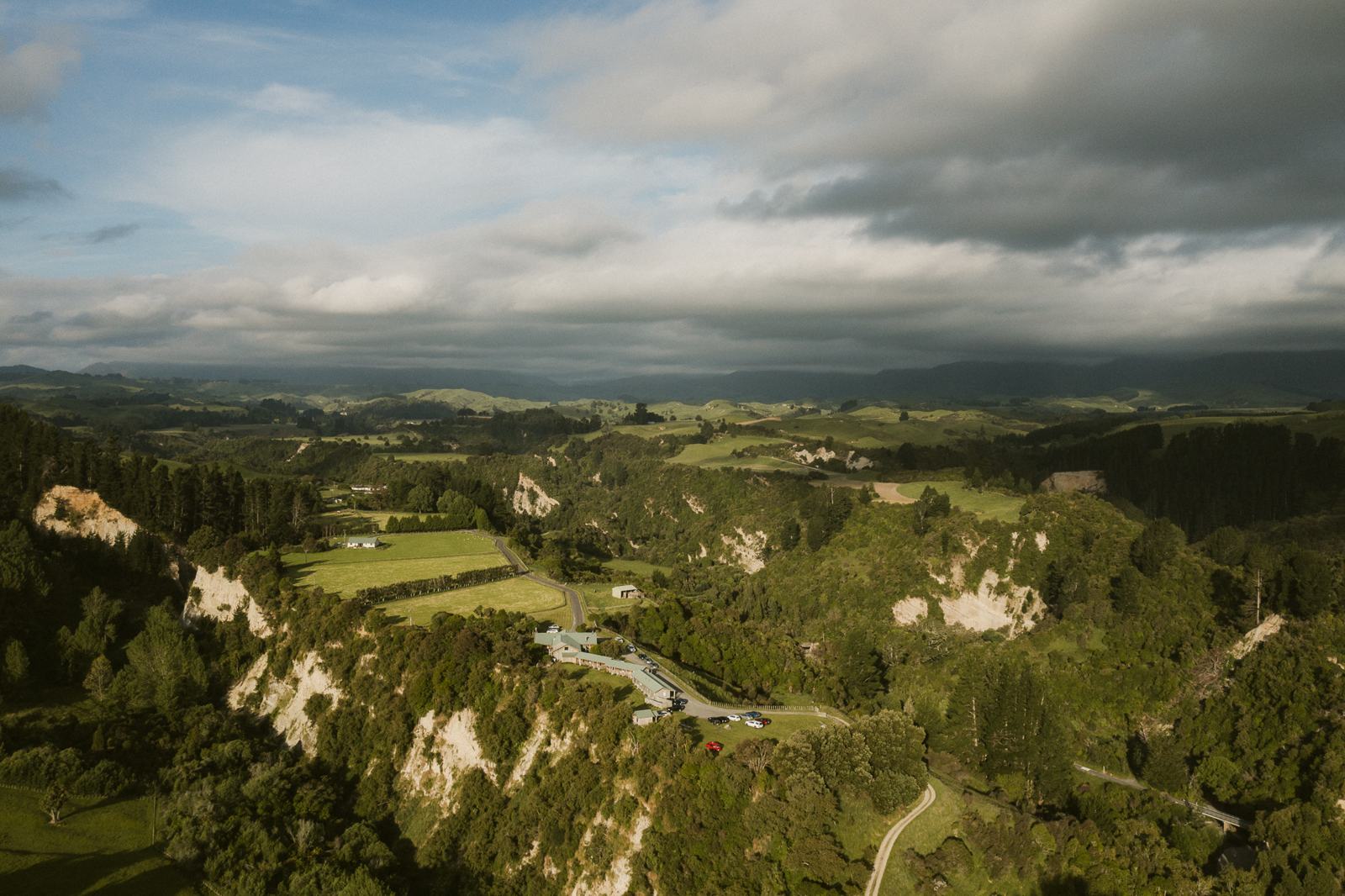
Everything below uses a New Zealand wedding booked from Sydney as the running example. It is a useful shape because it involves a flight, a few nights away and a rental car. Binh has photographed weddings in eight countries (Fiji, Cook Islands, Australia, New Zealand, China, USA, Barbados and Bali), so the structure below is not limited to one route.
The line-by-line breakdown
Here is what an itemised destination quote should look like. This is the shape of one, not a quote for your day, so there are no dollar figures in the table. The point is what each line covers and what moves it.
| Line | What it covers | What moves it |
|---|---|---|
| Photography | Coverage hours, editing, delivery. The same as a wedding at home | The hours you choose, whether film is added, and the planning around where you marry |
| Flights | Return flights for the photographer, plus a second photographer if one travels too | Distance, how early they are booked, whether your dates fall in school holidays |
| Accommodation | The nights actually needed around the wedding | The destination’s own busy season, not the photographer’s pricing |
| Ground transport | Rental car or transfers at the destination | Whether the ceremony, portraits and reception are in one place or spread out |
| Buffer day | An extra day either side, only if flight timing forces it | Connections and flight schedules. A direct flight that lands well before the wedding removes this line |
Every line should have a real number beside it, and every number should be something you can check yourself on a flight search or an accommodation site. That is the whole test. A line you cannot check is not a cost, it is a margin using a cost’s name.
A quote may combine lines (flights and ground transport as one “travel” figure, say), which is fine as long as you can ask for the split and get it. It should also say which nights are covered. “Accommodation included” with no nights stated is a gap.
For a destination further out, where the flight is longer or extra days are needed, the figures grow but the structure does not change. It is still the photography fee plus itemised travel. If a studio wants to add a line that is not in the table, ask what it covers and what would make it change.
Keep the photography fee and the travel apart
A common assumption is that destination weddings cost more per hour of coverage. Where you marry can move the price, so ask what is behind any difference. What changes most is everything around those hours: getting there, staying there for as many days as it takes, and the fact that the photographer cannot take other bookings during that window.
That last point is real and worth understanding. A date is held for you, and other couples are turned away for it, which is why the deposit is not refundable. A destination trip also takes the photographer away for the days either side. If a studio quotes you a generous-looking photography price and then loads the difference into a large unexplained travel line, you have only moved the cost around.
Where the fee itself should shift is scope. If your destination wedding runs over two days, say a welcome gathering the evening before and the ceremony the next day, you are asking for more coverage, and it should be priced as more coverage in its own line, separate from travel.
Film belongs in the same conversation. It can be added to photography or booked alone, and the two are planned together. If you want both, ask for the quote to show them as separate lines so you can see what each adds. For the wider budget question, Photography, Film, or Both: the Australian Wedding Budget Maths lays out how the two compare.
What moves the travel number
Four things do most of the work.
Distance and how the flights fall
A short hop with a direct flight on the morning of the wedding is cheap. A destination that needs a connection and an overnight stop on each side adds real cost. The photographer is not charging more for the same work. There is simply more to arrange: more days away, more logistics, and more risk if a flight is delayed and the ceremony only happens once.
This is also why a buffer day exists. If a delayed flight could mean missing the ceremony, a careful studio will fly in the day before. You pay for one extra night, and in return the ceremony is not riding on a flight schedule. Ask whether your quote includes one and why.
Whether a second photographer travels
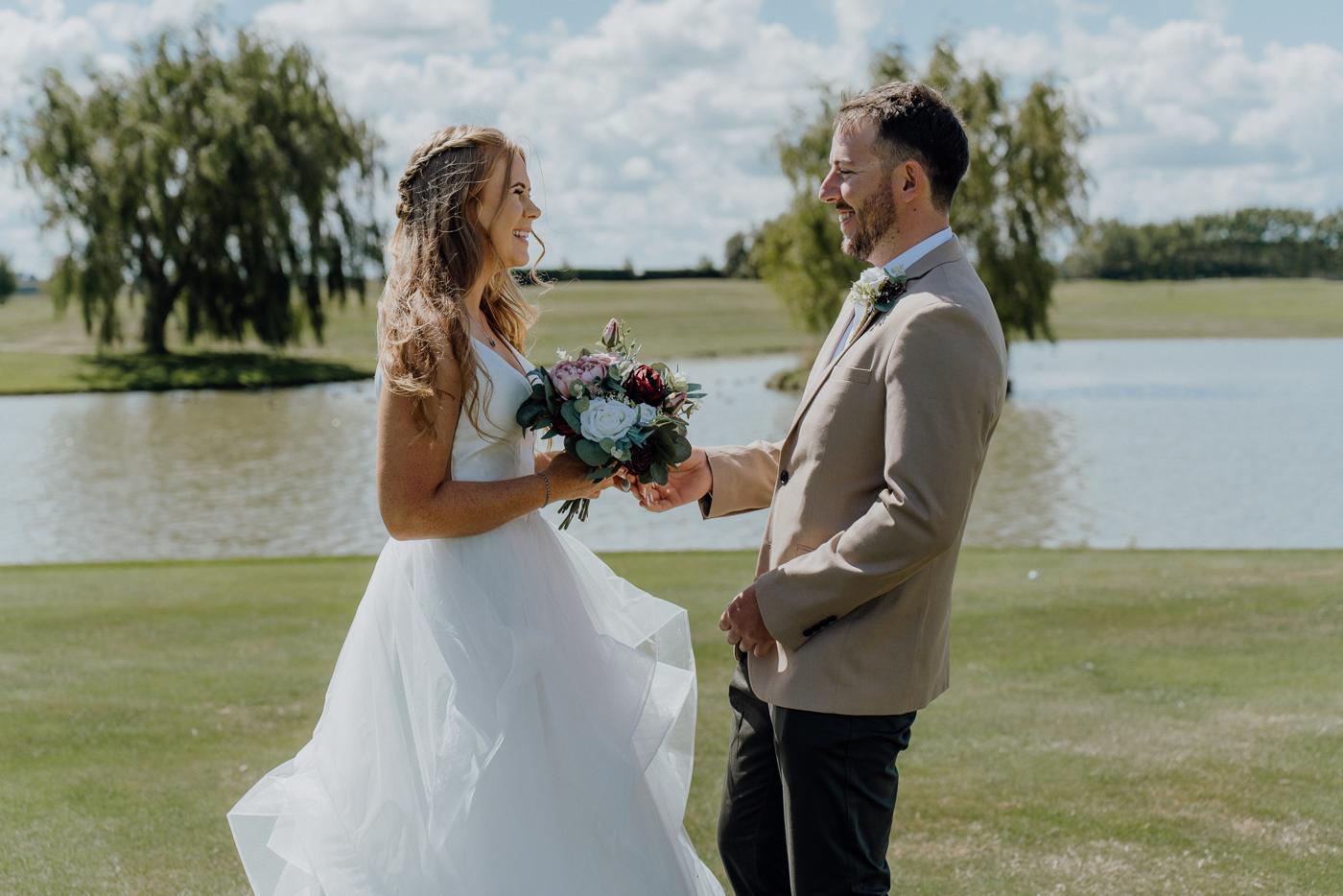
If a second photographer comes too, the flight, accommodation and transport lines each increase. It is worth asking whether you need one for your guest count and ceremony style before assuming you do. Ask any studio whether it offers a second photographer at all, and whether the quote already includes one. The article on whether you need a second shooter walks through that decision.
Season and demand at the destination
Accommodation costs more during a destination’s busy wedding season than in the shoulder months either side. That pricing belongs to the destination, not the photographer, but it flows straight into your total. Say you are choosing between a February date and a July date for the same New Zealand location. The photography fee is the same for both. The flights, rooms and rental car may not be, and the difference between the two quotes is almost entirely travel.
Whether the trip does double duty
If your wedding lines up with other work already planned in the same area, part of the flight and accommodation may be shared across bookings. It is reasonable to ask directly whether that applies to your dates and how any saving would be reflected in your quote. Do not assume it will be volunteered. Ask.
The lever that moves the total most
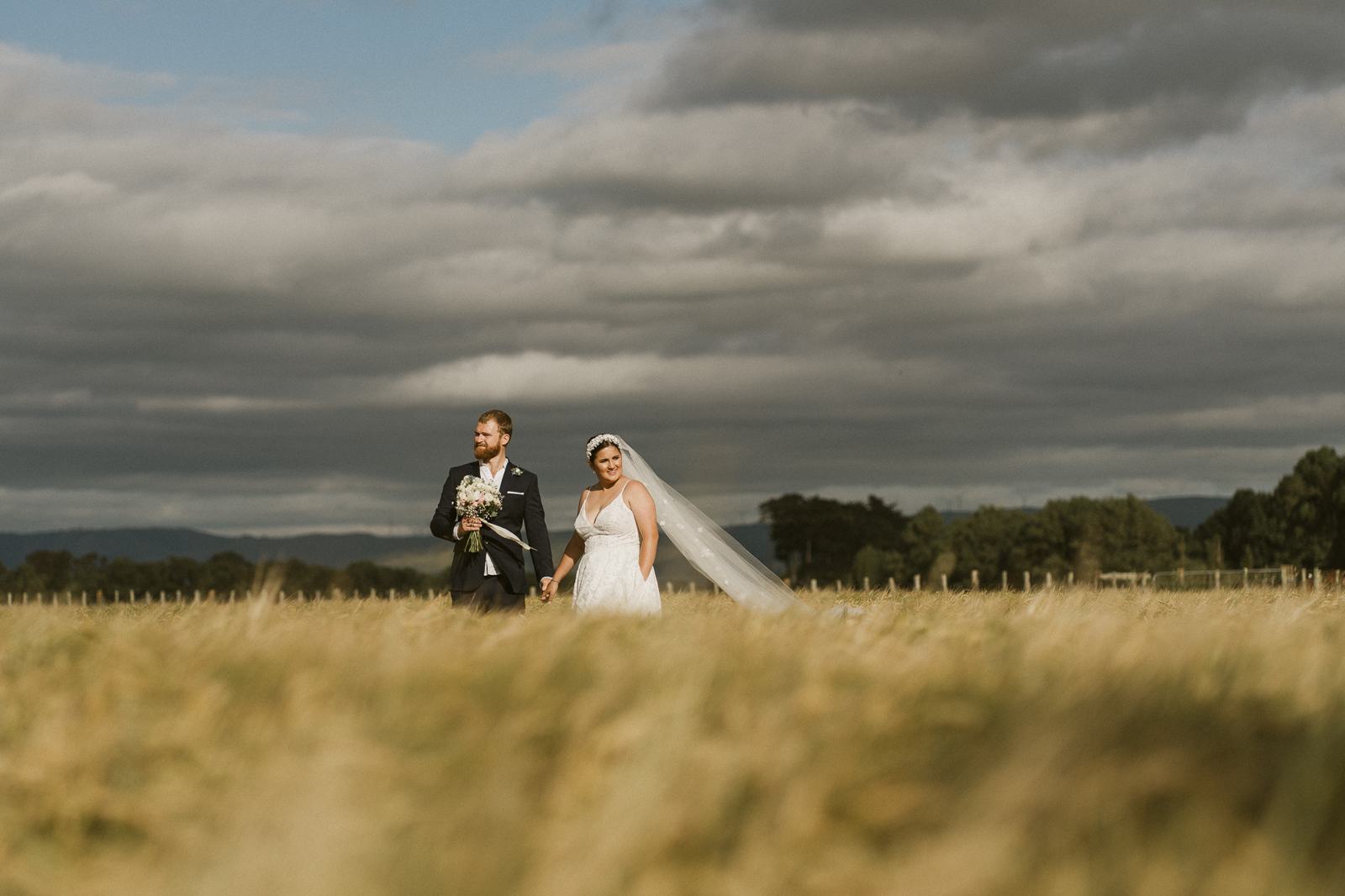
If you want one lever, it is the flights, and specifically when you book them. Locking your date early and booking flights early tends to do more for the total than negotiating any other line, because flights are usually the largest travel item and the one with the most variation. Flight prices are public, so on that line the only thing you can change is timing and routing.
Most couples book their photographer 12 to 18 months ahead, which fits neatly with this. Once your date and destination are fixed, the studio can price flights against real schedules rather than guesses.
A few practical points follow from that:
- Share your date as soon as it is fixed, even if the venue is not final. The flight and accommodation lines depend on the destination and dates, not on the exact ceremony spot.
- Ask which flight class and which kind of accommodation the quote assumes. Those two choices move the total more than any small adjustment elsewhere.
- Ask what happens if you change the date. A date change changes flights and rooms, and the quote should say how that would be handled.
How to compare two destination quotes
Comparing destination quotes is harder than comparing local ones, because the studios may group their lines differently. A tidy method is to rebuild each quote into the same table as the one above, then compare line by line.
Here is a worked example with two imaginary quotes for the same New Zealand wedding. Quote A arrives as a single figure labelled “destination photography”. Quote B shows photography as one line and travel as four lines. At first glance the totals look far apart, and A seems cheaper.
Now rebuild A. Ask what hours it covers, the number of photographers, and which nights of accommodation are included. If A turns out to cover fewer hours or assumes a connecting flight with no buffer day, the comparison was never fair. If B includes a buffer day and A does not, B is protecting the ceremony and A is leaving it to chance. You may still choose A, but you will be choosing it knowing what it leaves out.
Questions that make the two quotes comparable:
- How many hours of coverage, and is film included?
- Which travel lines are included, and which nights of accommodation?
- Is there a buffer day, and under what conditions?
- Is a second photographer included, or offered?
- What is the cancellation and date-change policy, and what happens to the deposit?
For the last question, Payment Plans, Deposits and What Happens If You Cancel explains how deposits work and what is and is not recoverable. It matters more for a destination wedding, because flights and rooms may be booked well ahead of the date.
A fair-quote checklist
Before you sign, run through these. They are the questions that separate a clear quote from a vague one.
Does the quote reconcile? An honest itemised quote should match what was actually spent, not act as a flat markup. Ask how travel costs are handled if actual costs come in under the estimate, and whether the difference comes back to you.
Can every line be checked? Flights, accommodation and transport are public prices. If a line cannot be checked against a flight search or a booking site, ask what it is.
Is the photography fee the same as at home? A destination wedding of the same length and scope should carry the same photography fee as a wedding in Sydney. If it does not, ask what the extra covers. If the answer is more coverage, that is fine. If the answer is “it is a destination”, that is not an answer.
What happens if travel is disrupted? Ask what the refund or rescheduling position is if flights are cancelled or delayed on either side. Ask whether trip insurance or cancellation cover shows up as a line on your invoice, and get the policy for disruption in writing.
Is the plan for the day written down? If you also want an engagement or pre-wedding session, ask how that fits. Pre-Wedding Shoots for Couples Marrying Overseas covers that side of the planning.
Local photographer or one who flies in
Hiring a local photographer at the destination can reduce the travel line, since there is no flight or accommodation to pay for. That is a real saving and worth weighing honestly.
What you give up is the working relationship built before the day. A photographer who has spoken with you for months, seen your plans and understands how you want the day to feel is easier to work with than someone you meet on the morning of the wedding. This matters most for couples who are camera-shy, which is normal and nothing to apologise for. Binh’s approach is real moments as they happen for most of the day, with gentle guidance for portraits and simple prompts, never over-posed. That works best when you have already talked it through.
It also matters if you want continuity across a pre-wedding session at home and the wedding overseas. A local photographer is not a worse choice. It is a different trade, and neither is always cheaper once you count everything in.
Whichever way you go, check a photographer’s full galleries rather than only highlight images, and ask about their experience with the kind of setting you have chosen. Questions Worth Asking a Wedding Photographer Before You Book has a full list.
Marrying overseas and signing in Sydney
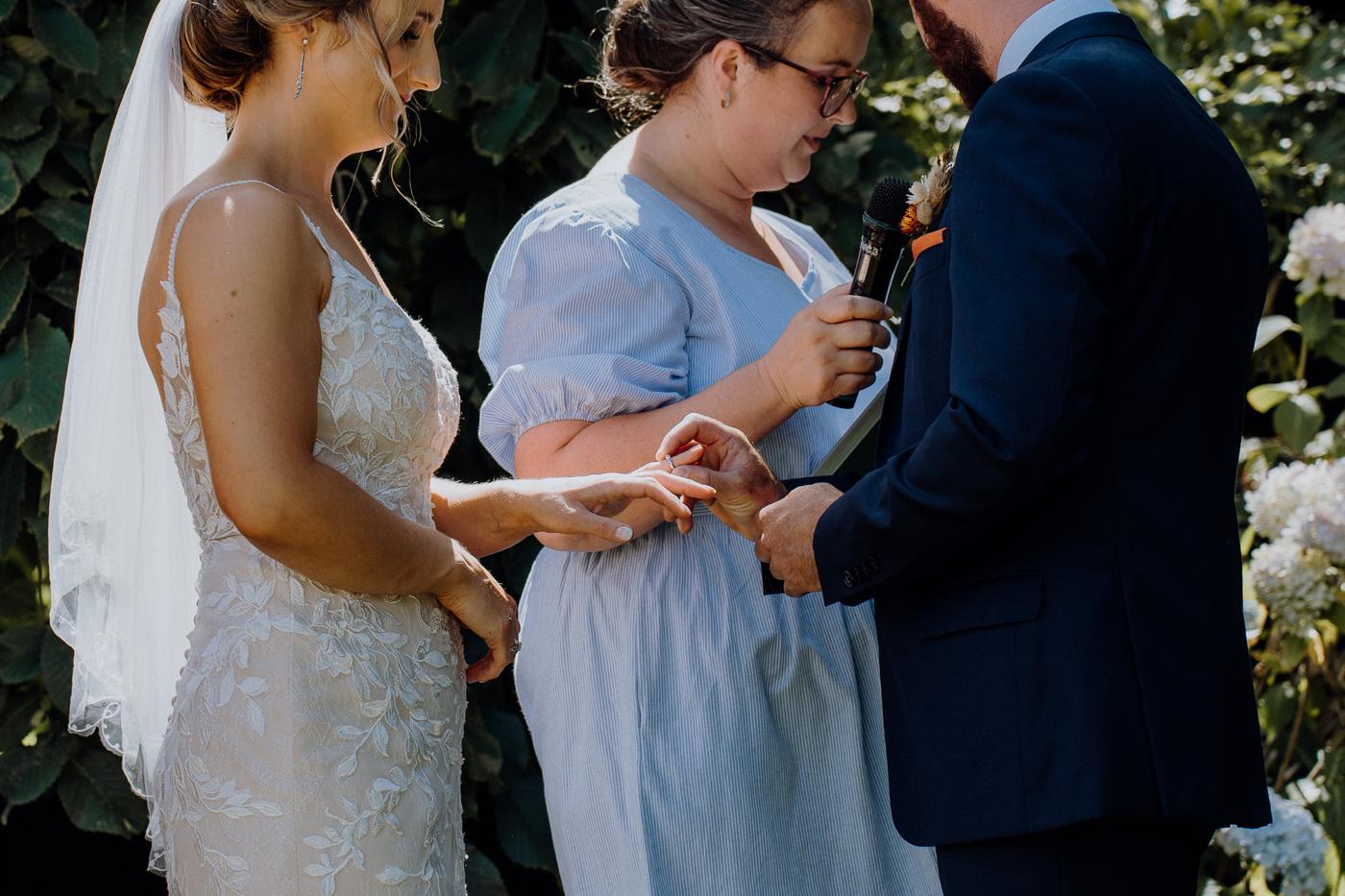
Some couples hold a legal signing in NSW and then a symbolic ceremony overseas. The NSW legal step is quick and does not need its own booking. If the signing and the overseas ceremony are part of the same trip, they are priced as one trip, not two.
Rules about where and how you can legally marry vary, and they change. Confirm the current requirements with an authorised celebrant or the official government site before you book anything that depends on them. For the NSW side, Eloping in NSW: The Legal Steps, Plainly explains the process, and Getting Married in New Zealand from Australia covers the New Zealand side of the same question.
What to do next
- Fix your date and destination range first. Flights and accommodation cannot be priced without them, and the photography fee does not depend on the exact venue. Most couples book 12 to 18 months ahead, so an early decision gives you the most room.
- Decide your hours. Six hours usually ends before the speeches, eight is what most couples choose, and ten is what nobody regrets. Choose the length before asking for travel numbers, so you are comparing like with like.
- Ask for the table. Request the quote with photography and each travel line shown separately, and with the nights of accommodation stated. The investment page explains how pricing and booking work.
- Read the cancellation terms. Check how the deposit and any travel costs behave if your plans change, using the deposits and cancellation guide.
- Check the date. Binh answers honestly whether he is free on a date. If it is free, you hear what the day could look like. If it is booked, he says so straight away.
Planning a wedding away from Sydney? Tell Binh where and when, and check your date. You will get an itemised answer, not a guess.