
Getting married in New Zealand from Australia is close to home in distance and quite different in practice. The flight is short, the scenery does a lot of the work of a venue, and the paperwork is run by New Zealand, not Australia. The easiest mistake is to treat it like a Sydney wedding with a longer drive.
This guide covers the legal shape of it, the order to book things in, how mountain light and fast weather change a day, and what to ask a photographer before you commit. Binh has photographed weddings in New Zealand, and the photos below are from those days.
Quick answer: Australians can marry legally in New Zealand. New Zealand runs its own process through Births, Deaths and Marriages, and its notice period is shorter than Australia’s one-month minimum. Some couples sign the legal paperwork privately, in either country, and hold the larger celebration separately. Confirm the current rules, including the exact notice period, with an authorised New Zealand celebrant or the official government site before you book flights.
On this page
- Why New Zealand suits an Australian couple
- The legal side, in plain terms
- Three ways to arrange the signing
- The order to book things in
- Mountain light does not follow the table
- Season and weather
- Building a day that can bend
- Beyond the famous name
- Photographing a New Zealand wedding
- What to do next
Why New Zealand suits an Australian couple
Most destination options ask something hard of an Australian couple. A visa, a long haul flight, a language barrier, a venue you cannot visit. New Zealand asks for very little of that. It is roughly a three hour flight from Sydney, and Australian citizens do not need a visa to visit (check this against the official site for your own passport and travel dates, because entry rules can change).
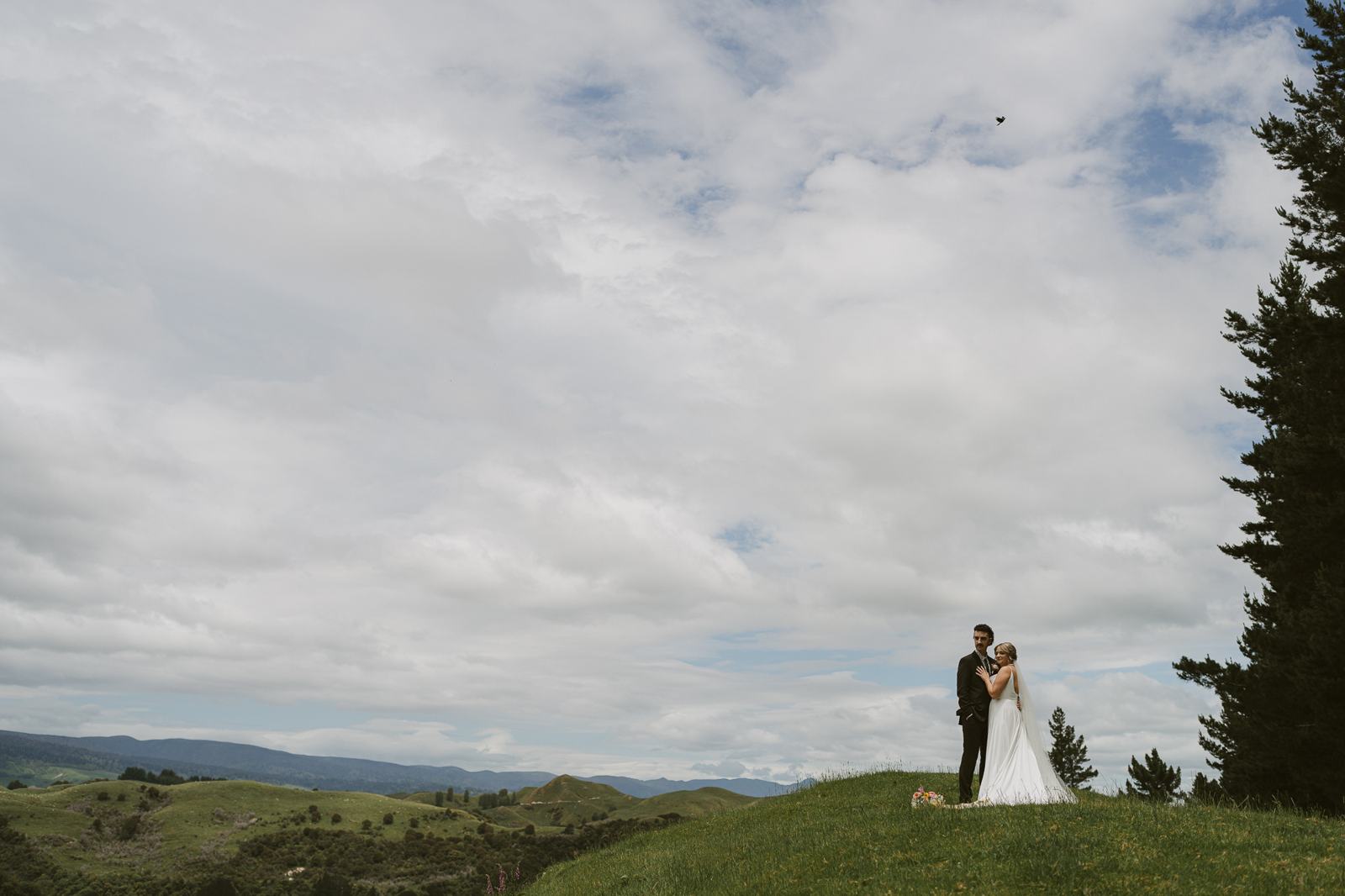
The second reason is the setting. A mountain and a lake with two people in front of them needs no styling. A reception venue has to spend on florals, lighting and draping to create a sense of place. In the right corner of New Zealand the place is already there, and it is free. That is a real planning advantage if your budget is better spent on the people, the food and the photographs.
There is a catch, and it runs through the rest of this article: a place that does the work for you also sets the rules. The light follows the terrain, the weather follows the mountains, and the legal side follows New Zealand law rather than the Australian version you may have read about. Plan around those three and the day runs more calmly.
The legal side, in plain terms
Binh is a photographer, not a marriage lawyer, so treat this section as a map and not as advice. New Zealand’s marriage process is run by New Zealand’s own authorities, separate from Australia’s system. What follows is the general shape.
- Paperwork is lodged in advance. In New Zealand this goes through Births, Deaths and Marriages. The minimum notice period is shorter than in Australia, where the minimum is one month. Rules get updated, so confirm the exact period and the exact forms directly before you plan around them.
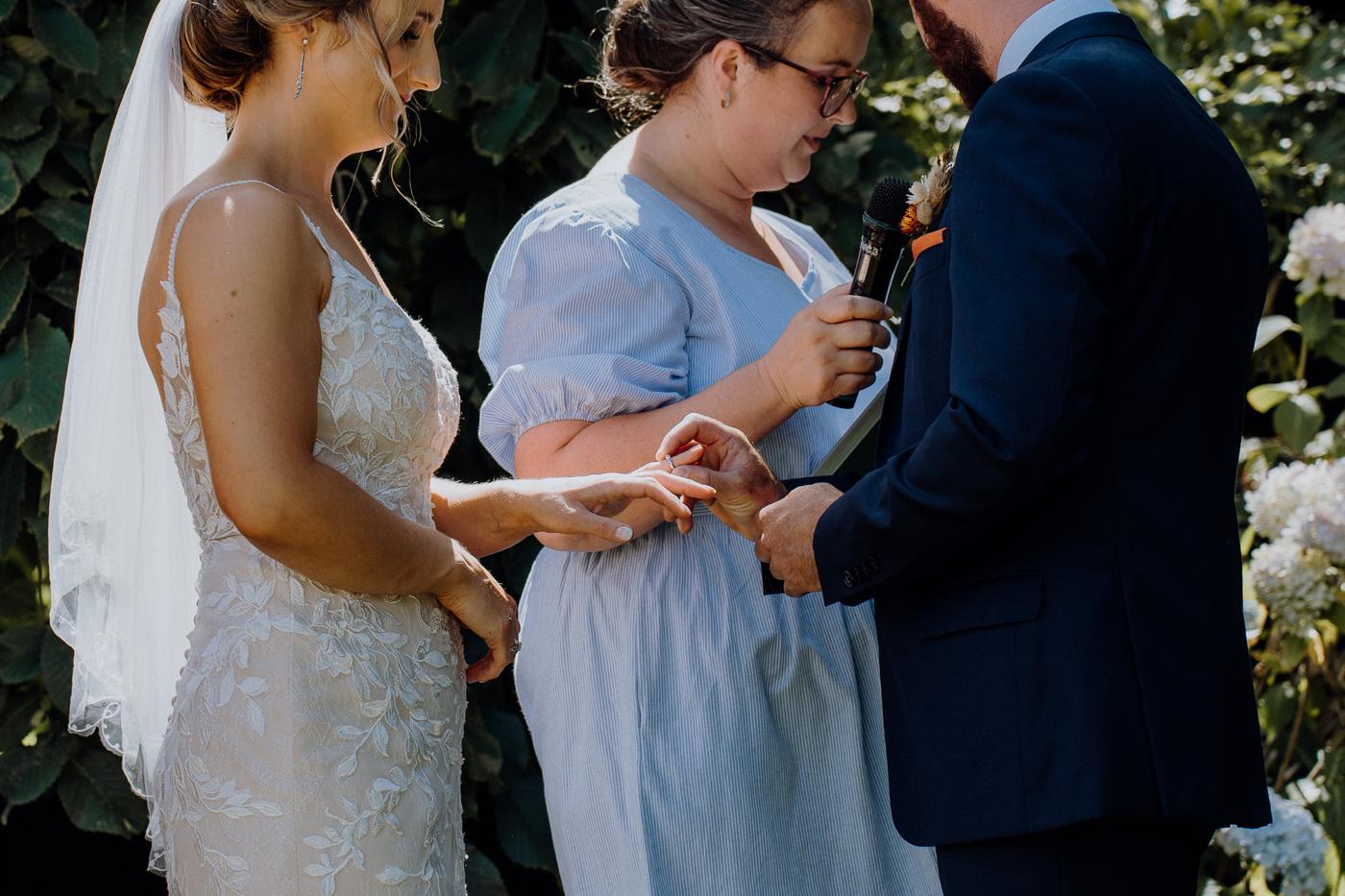
- The celebrant must be authorised under New Zealand law. An Australian celebrant generally cannot perform a legally binding ceremony in New Zealand. If you want your own celebrant, ask a New Zealand celebrant or Births, Deaths and Marriages what is possible.
- A marriage performed legally in New Zealand is recognised in Australia. You do not need to marry again at home. You may want a certified copy of the New Zealand certificate for Australian purposes, such as a name change.
Please confirm the current notice period and document requirements with an authorised celebrant or the official New Zealand government site before you book flights around a date. This article describes the general process, not today’s exact requirements.
A short notice period does not mean a short planning timeline. The legal minimum only tells you the earliest the paperwork can be done, while celebrants and venues have their own calendars. Keep the two clocks apart: the legal clock, which is short, and the booking clock, which can be long.
Three ways to arrange the signing
The legal signing and the wedding you imagine do not have to be the same event, or in the same country. Couples approach it three ways, and each trades something.
| Option | What happens | What it trades |
|---|---|---|
| Sign in Australia first | The legal ceremony happens at home under the Australian process, then you travel and celebrate in New Zealand | Keeps your own celebrant and familiar paperwork, but the Australian one-month notice applies |
| Do the full legal process in New Zealand | You lodge the notice and marry in New Zealand with an authorised celebrant | One process in one place, and the shorter notice period helps if timing is tight |
| Sign quietly in either country, celebrate on the day that matters | A private legal ceremony, then the larger event as its own occasion | Takes legal pressure off the big day, but you now plan two events |
There is no single correct answer. The option that suits you depends on guest numbers, whether you have a celebrant you love, and how much of the paperwork you want to carry while abroad. If you are short on time, doing it all in New Zealand can be simpler on paper, because one short notice period covers it. If you want a relaxed ceremony with no legal weight on it, a quiet signing first lets the wedding itself be whatever you like.
If you are still working out whether you want a small or a large day, Two People and a Celebrant: What an Elopement Day Looks Like is a good companion read. For the Australian side of the paperwork, Eloping in NSW: The Legal Steps, Plainly explains how the home process works so you can compare the two.
The order to book things in
Some decisions block others. Others can wait. Putting them in the right order saves you from rebooking flights.
- Choose the season and the rough dates. Everything else hangs from this, because venues and celebrants fill by date.
- Book the celebrant, and confirm the notice paperwork. This is the least flexible piece. A celebrant who is free on your date, plus a clear understanding of the notice period, tells you whether the date is real.
- Lock the venue or the location permit if one applies. Ask the celebrant and venue what they need from you and when.
- Book your photographer. Dates and photographers book up too. Most couples book 12 to 18 months ahead, and a destination date is no different.
- Book flights and accommodation last. They are the easiest to move and the most expensive to rebook, so let the fixed items settle first.
Here is a worked example, clearly an assumption. Say you want a late autumn wedding and you pick a Saturday. You confirm with a celebrant that they are free, you confirm the notice paperwork can be done in time, and only then do you book the flights. If you had booked flights first and the celebrant turned out to be busy, you would be choosing between a different celebrant, a different date or a change fee. The order is a way of putting the cheap-to-change decisions after the expensive-to-change ones.
If you are weighing this against a larger overseas trip, What a Destination Wedding Photographer Costs, All In sets out how the costs add up, and Pre-Wedding Shoots for Couples Marrying Overseas is worth reading if you would like portraits done before you travel.
Mountain light does not follow the table
A sunset table works well on a flat coast. It tells you roughly when the sun leaves the horizon, and a photographer can plan the evening around it. In mountain country that number is only part of the picture, because the horizon is not flat.
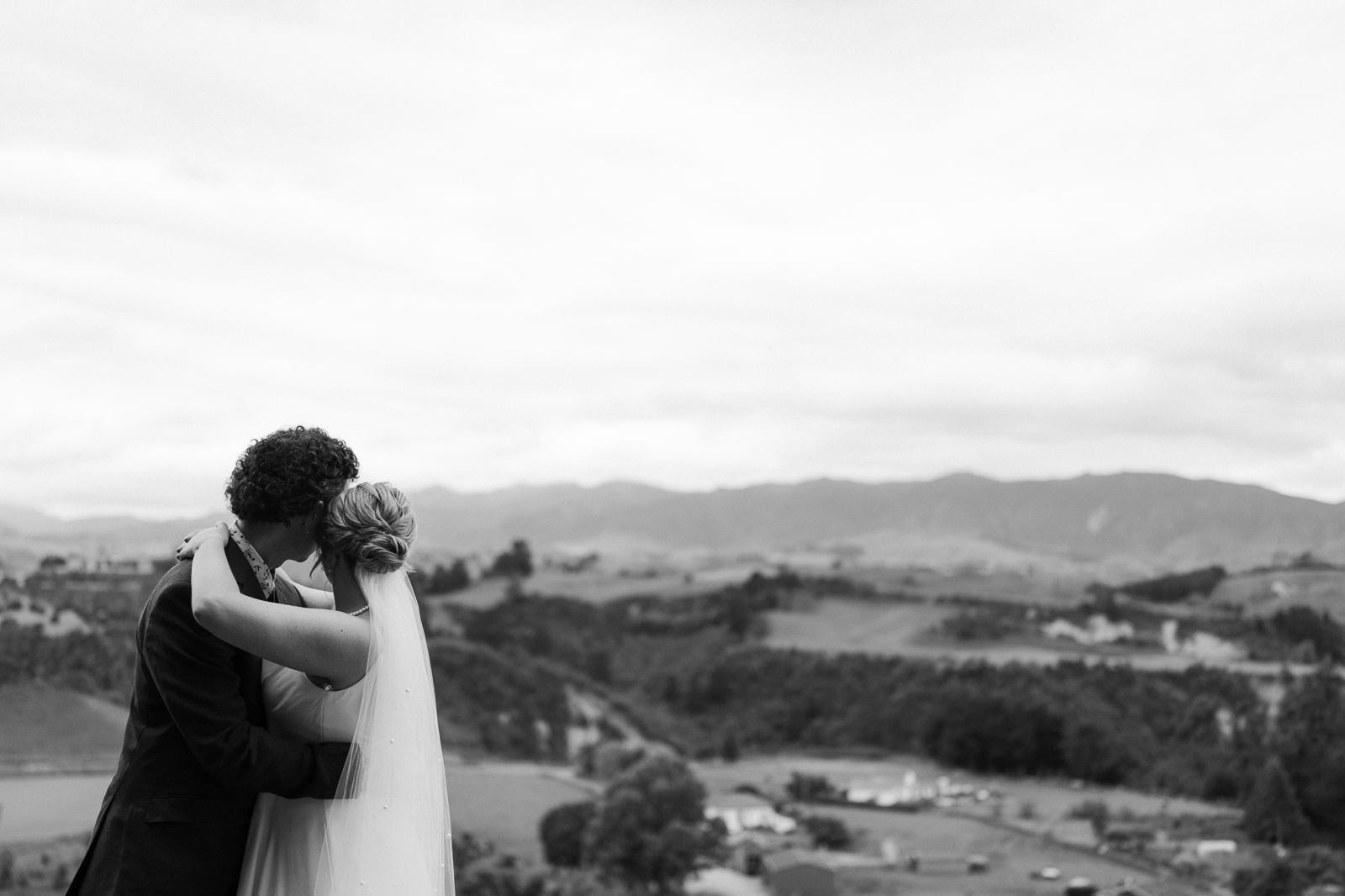
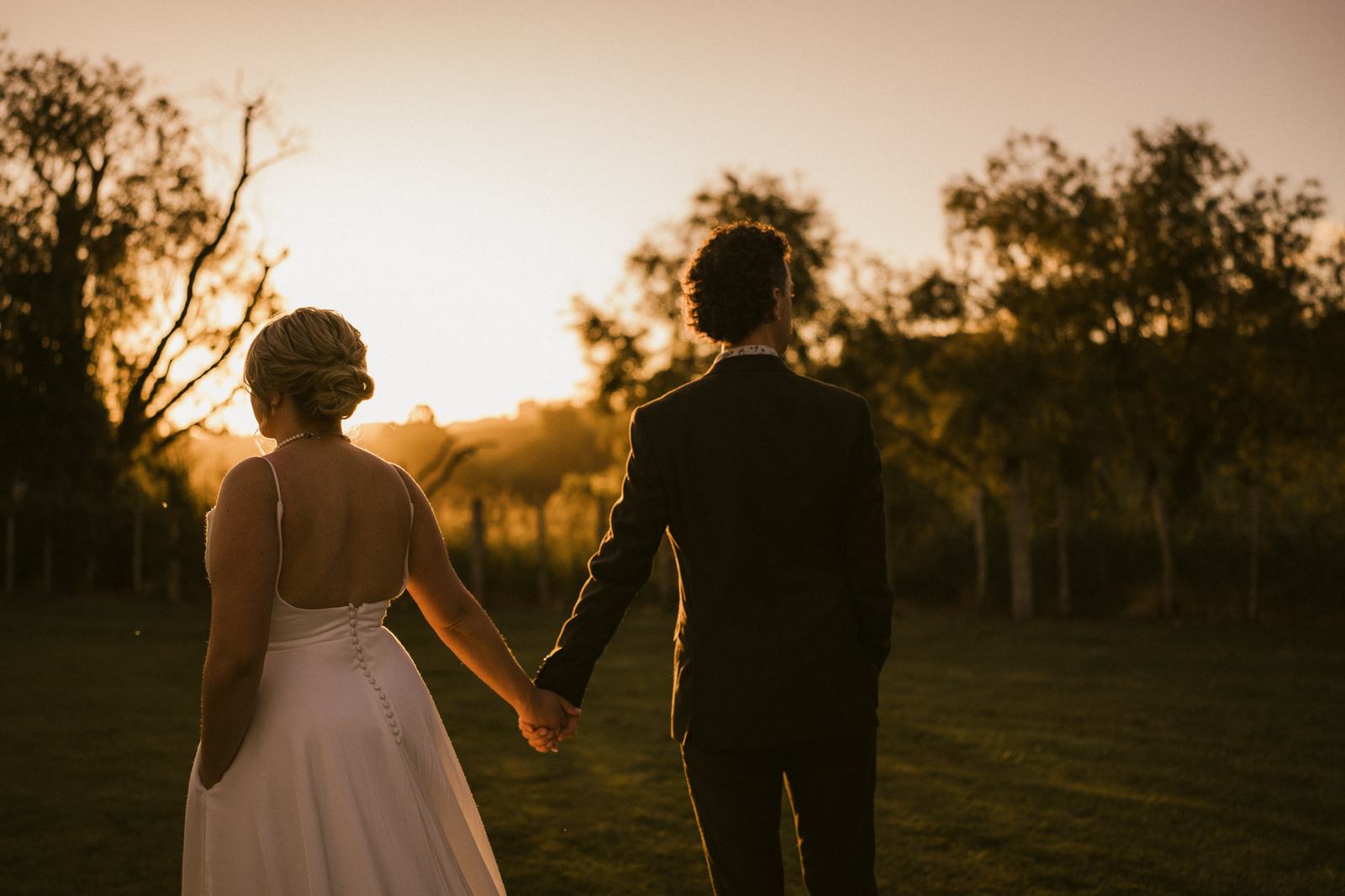
When high ground sits between you and the sun, the light on the ground in front of you can disappear well before the listed sunset. A valley floor drops into shade while the peaks above it are still lit. A lakeside spot with hills behind it may lose its direct light early in the evening. Around Queenstown, the Remarkables are the kind of range where this is easy to see: part of a scene can be in full sun while another part sits in shadow, and that can change as the sun moves.
The practical meaning is simple. Plan portraits off the skyline you can actually see, not off the clock. Ask your photographer whether they will visit or study the location in advance, look at the direction it faces and where the nearest high ground sits, and plan the portrait window around that. A photographer who is only watching the clock will miss the moment the valley goes flat.
Dramatic light and a rigid schedule
Dramatic light looks wonderful in a finished photograph and is hard to schedule, because clouds move over a range and the light changes with them. A plan that says “portraits at 4pm, ten minutes” will not survive a day like that. Keep the portrait block flexible, and decide in advance what you will do if the best light arrives during something else, such as the ceremony or the toasts. You may step out for ten minutes, or you may let that light go. Either is fine. Having decided beforehand is the point.
Season and weather
New Zealand sits in the same hemisphere as Australia, so the seasons line up with the ones you know. What changes is the climate in the mountains, which is colder than Sydney in the same month. A June wedding in the Southern Alps is cold, with snow possible, not Sydney’s mild version of winter. Pack for the destination, not for your own postcode.
- December to February is summer, and it is the busiest wedding season in Queenstown. Venues and celebrants fill early, and prices follow demand.
- March to April, and September to October, are the shoulder months. These give strong light with fewer crowds. If you want a recommendation rather than a list, choose the shoulder. The best reason to override it is a specific look you want, such as snow or high-summer green.
- Winter can be the most distinctive version of the place, because snow changes the scenery completely. It is also colder, with a shorter day, so the timeline needs to account for that.
Weather in mountain country can change fast in a way flat coastal Australia does not prepare people for. A ceremony can go from sun to sleet and back to sun in a short window. It is a reason to build a day that can flex, and to ask a photographer how they adapt when the weather turns.
Here is a second worked example, and again it is an assumption. Say your ceremony is outdoors at 2pm and the forecast is changeable. Settle in advance where you will move if rain arrives, who decides, how guests will be told and whether umbrellas, blankets or a covered space are on hand. With those answers in place, a squall is an interruption.
Building a day that can bend
A good plan for a New Zealand wedding has slack in it. That slack has a few usual forms.
Add a buffer day
If your budget allows, add one spare day on either side of the ceremony. Weather-dependent portraits benefit from a second attempt. If the ceremony day is wet, grey or windy, a buffer day gives you a chance at calm light without cutting anything else. It also takes pressure off travel, because a delayed flight no longer threatens the wedding itself.
Be honest about access
Some of the best-known lookouts need a short hike. Some of the images people have seen online come from a helicopter. Neither is required for a beautiful day. It is worth deciding what kind of access you actually want before you build expectations around a photo that needs a budget or a fitness level you do not plan to bring. Ask any photographer or celebrant which locations are reachable on foot, which need transport and what that does to the timeline.
Beyond the famous name
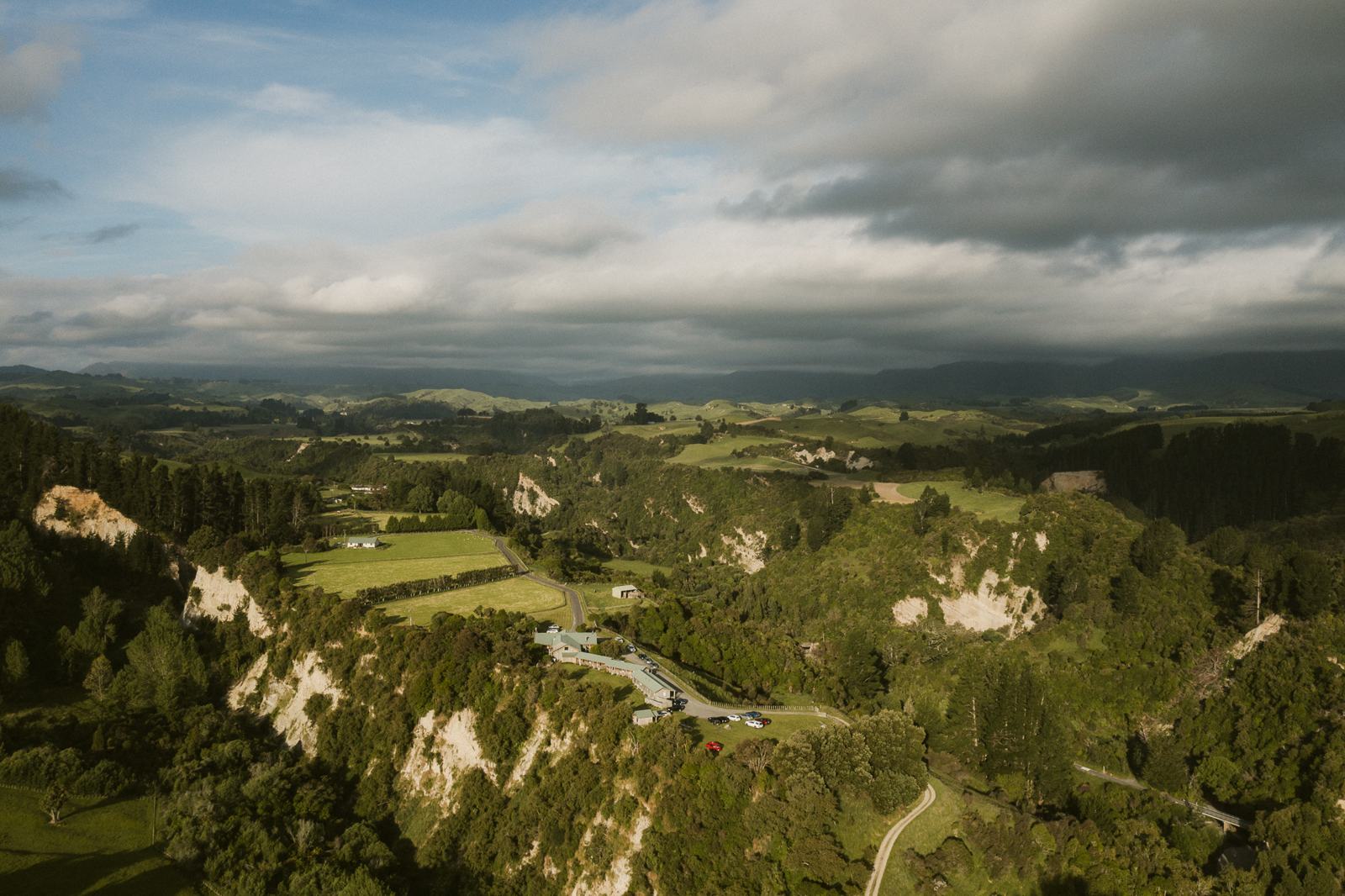
Queenstown is the best-known name, and it is not the only option. New Zealand has rural venues on both islands that get less attention, and some may be quieter and cost less without losing the setting. Before you default to the famous name, write down what you want from the day: a mountain backdrop, a lake, farmland, a small chapel, a garden, a short drive from the airport. Then ask whether that list fits somewhere other than the most photographed spot.
A quieter area can mean easier booking and less competition for a portrait location. It can also mean fewer suppliers nearby, so ask what is available locally and what you would need to arrange yourself. The same question applies to price. A New Zealand wedding can cost less than one further away, mostly because the flight is shorter. That does not make it cheap, since venue, celebrant, accommodation and photography all still apply.
Photographing a New Zealand wedding
Photography with Binh starts from $4,000. Hours, film and where you marry move the price from there, and travel is part of that for a destination day. Film can be added to photography or booked alone, and photography and film are planned together. Elopements, pre-wedding sessions and destination weddings are all offered. Investment explains how booking works. The deposit is not refundable, because the date is held and other couples are turned away.
Hours are worth deciding early on a destination day. Six hours usually ends before the speeches, eight is what most couples choose, and ten is what nobody regrets. A small elopement may need far fewer, since there may be no reception to cover, but more time lets you wait for the light instead of chasing it.
Here are the questions worth asking any photographer you are considering for a New Zealand day:
- Have you photographed weddings in this part of New Zealand, and can I see a full gallery from one?
- How do you plan portraits when high ground blocks the late light?
- What happens to the schedule if rain or wind arrives?
- Can the portrait time be moved to a buffer day if the first attempt is poor?
- How do you handle a small ceremony with a celebrant and few or no guests?
- What does the travel and accommodation arrangement look like, and what is included in the quote?
- What is your policy on a deposit and on a date change?
A photographer who answers these plainly, without hurrying you, is usually a good sign. The Questions Worth Asking a Wedding Photographer Before You Book has a longer list for any wedding.
Binh answers honestly whether he is free on a date. If he is free, you hear what the day could look like. If he is booked, he says so straight away, which saves you from holding a date that is already taken.
What to do next
- Pick a season and a few candidate dates. Use the shoulder months as your starting point unless you want snow or high summer.
- Contact an authorised New Zealand celebrant and ask which notice period applies to you, what documents you need and whether they are free on your dates. Check the official government site too.
- Decide where the legal signing happens. Use the table above. If you want it split between countries, the Australian steps are in the link above.
- Look at the broader destination picture in Elopements and Destination Weddings: A Sydney Photographer’s Guide, and see what full weddings look like in the gallery.
- Check your date and photographer. Send your dates through the contact page before you book flights, because the date is the one thing you cannot swap later.
If you are planning a wedding in New Zealand and want to know whether Binh is free on your date, check your date.